
Healthproof provides mobile occupational therapy across Greater Sydney for people who need support with daily activities, functional capacity, equipment, home safety or participation at home and in the community.
An occupational therapist can assess the person in the environment where tasks take place, identify practical barriers and discuss strategies or recommendations that fit their goals. The exact service and report scope depend on the referral, clinical assessment, funding arrangement and current clinician availability.
How Mobile Occupational Therapy Can Help
Occupational therapy is concerned with participation in everyday life. “Occupation” can include self-care, household tasks, study, work, community access, relationships, routines, leisure and the roles that give a person’s day meaning.
A mobile appointment allows the occupational therapist to understand the person and the environment together. Rather than relying only on a description, the clinician may observe the layout, equipment, supports, task demands and routines that influence function.
Mobile occupational therapy may be considered when a person is experiencing difficulty with:
- showering, dressing, toileting or grooming;
- preparing food, shopping or household tasks;
- managing fatigue, pain or limited endurance;
- organising routines and completing multi-step activities;
- accessing parts of the home or community;
- using existing equipment safely;
- participating at school, work or in social settings;
- adapting tasks after illness, injury or disability; or
- explaining functional needs for an agreed assessment or report.
The assessment should be person-centred and proportionate. It should not assume that greater independence is always the person’s preferred goal; safety, comfort, choice, supported participation and reducing unnecessary burden can also be important outcomes.
Functional Capacity Assessments
A functional capacity assessment, often called an FCA, examines how a person’s disability or health condition affects everyday function. It can help describe current abilities, support needs, environmental barriers and areas where assessment or intervention may be considered.
Depending on the referral and the person’s circumstances, an occupational therapist may consider:
- mobility and movement within everyday environments;
- self-care and personal activities;
- communication and social interaction as they affect participation;
- learning, planning, memory and task completion;
- self-management, routines and decision support;
- domestic activities and community access;
- current formal and informal supports;
- equipment, assistive technology and environmental barriers;
- safety, fatigue, pain and sustainability of function; and
- the person’s goals and priorities.
The clinician may use interviews, observation, practical tasks, existing reports and standardised tools where appropriate. No single test gives a complete picture of the person.
The report should clearly state its purpose, information sources, observations, clinical reasoning, limitations and recommendations. It may support planning discussions, but it does not decide eligibility, funding or the outcome of an NDIS review.
- who requested the assessment;
- the questions the report is expected to address;
- the required time frame;
- the records and people who need to be involved;
- whether home or community observation is required;
- the estimated assessment and report time; and
- the funding or fee arrangement.
Complex matters may require several appointments, input from other disciplines or a different specialist assessment.
What Our Clients Are Saying
EXCELLENT Based on 141 reviews
 Posted on Google
 Maria SCherise and Martina have great people skills and are amazing at their jobs! Their experience in the industry is highly recommended and due to these lovely young ladies, my 86 year old mum is doing really well. They are very patient and motivational Thank you Healthproof for your wonderful and competent staff - Mum and I really appreciate it.Posted on Google
 Rashpal DhillonMy Physiotherapist, Sathya has been fabulous— very understanding, caring and clear with instructions. Made me feel very comfortable and confident. Keep it up Sathya. If ever I need physiotherapy again I hope I can locate you.Posted on Google
 Margaret RobertsI had the best massage of my life with Samantha. I could really feel the results of it. Very happy. Thank you Samantha.Posted on Google
 Antonia PJayme is such an amazing physio! Could not recommend morePosted on Google
 Carolina PuseI had my TKR 2 weeks ago and currently doing my physio at home with the help of Healthproof. At this stage, I am happy with my progress specifically with the help of Serena. She is just amazing, professional and knowledgeable. She motivates me with the exercises and really cares about the success of my recovery.Posted on Google
 George Ike D. Ursua (Jojo)My mother gets an excellent treatment from Fiona the O.T. From Healthproof . Highly recommended .Posted on Google
 Jay BroughtonHighly recommend Laura, their speech therapist Laura is super caring & it comes through in her work Her knowledge & insights have been truly helpful & appreciated She’s patient but determined to help my participant Put them together you have a 5 star speech therapist, who’d I couldn’t recommend more Thanks LauraPosted on Google
 licia politisPaulo was my physio, who was extremely helpful in my recovery. He gave me lots of encouragement and support during our sessions. He provided me with exercises and knowledge to assist with my rehab post surgery, which helped me understand the progress of my recovery.Posted on Google
 Ghazi Al AliI recently had a hip resurfacing and with private health cover was able to benefit from home visits. Nadeem and Paulo from health proof are just so understanding and help you when you need that extra push. They are fantastic highly suggest if it is available to you!







Daily Living Skills and Participation
Occupational therapy may help a person find safer, more manageable or more personally suitable ways to complete daily activities.
Personal Care
The therapist may assess the steps, physical demands, environment, equipment and assistance involved in showering, dressing, grooming, toileting or other personal tasks. Recommendations could involve task changes, equipment, support techniques or referral for home modifications, depending on assessment.
Household Activities
Meal preparation, laundry, cleaning, shopping and home management can be affected by mobility, fatigue, pain, cognition, sensory needs or the environment. The therapist can break the activity into practical components and identify barriers that may be modified.
Routines and Self-Management
Some people need support to establish routines, remember steps, plan tasks, manage energy or organise appointments and daily responsibilities. Strategies may include visual supports, prompts, environmental cues, simplified sequences or technology, subject to individual assessment.
Community, Education and Work Participation
Occupational therapy may consider access, transport, task demands, fatigue, communication, sensory factors, equipment and environmental adjustments that influence participation.
Assistive Technology and Equipment
Assistive technology can range from simple daily-living aids to complex equipment. The occupational therapist’s role may include identifying the functional need, exploring suitable options, arranging trials, considering the environment and explaining recommendations.
Possible areas include:
- shower, toilet or bathroom equipment;
- seating and positioning;
- beds and transfer equipment;
- pressure-care considerations;
- kitchen and household aids;
- personal alarms or environmental controls;
- mobility-related equipment in collaboration with other clinicians;
- communication technology in collaboration with speech pathology; and
- other devices that support participation or reduce risk.
A product should not be chosen from a website description alone. The person’s measurements, abilities, environment, support arrangements, risks, maintenance needs and funding rules may all affect suitability.
Confirm your funding pathway, plan management and any report requirements with our team before your first appointment. An occupational therapist’s recommendation does not guarantee funder approval.
Home Safety Assessments and Modifications
A home safety assessment considers how the environment interacts with the person’s abilities, routines and support needs. It may include entrances, internal movement, bathrooms, bedrooms, kitchens, stairs, lighting, flooring, furniture and emergency access.
Practical Home Safety
The therapist may identify risks associated with transfers, reaching, carrying, fatigue, mobility aids or the way a task is currently completed. Recommendations may include changing the task, rearranging items, introducing equipment or seeking further assessment.
Minor and Major Modifications
Minor modifications may include items such as rails or small access changes, while major modifications can involve more complex building work. The exact terminology and funding requirements depend on the program.
Occupational therapy recommendations must be coordinated with appropriately qualified builders, suppliers, assessors and other professionals. We cannot guarantee structural feasibility, approval, final cost or a specific funding decision.
Tenancy and Property Considerations
Permission may be required from an owner, landlord, strata body, facility or funding organisation. The assessment should identify these dependencies early rather than presenting a recommendation as immediately installable.
NDIS Occupational Therapy in Sydney
NDIS occupational therapy may support functional goals related to daily living, participation, assistive technology, home environment and capacity building.
Healthproof may receive referrals for:
- functional capacity assessment;
- daily living assessment and strategies;
- assistive technology or equipment;
- home safety and modification recommendations;
- routines, self-management and task participation;
- support-worker or carer education related to agreed strategies; and
- progress or review reports where clinically required.
The service must be relevant to the participant’s disability-related needs and available funding. Confirm your funding pathway, plan management and any report requirements with our team before your first appointment.
Occupational Therapy for Injury, Illness and Ageing
Occupational therapy is not limited to the NDIS. A person may seek support after illness, injury, surgery or a change in function, or because everyday tasks have become harder with age.
A home visit may consider:
- how the person is managing personal and household activities;
- equipment needed during recovery;
- fatigue, pain or cognitive changes;
- the physical layout and access;
- support from family or services;
- discharge recommendations from hospital; and
- whether another professional should be involved.
We will confirm the appropriate private, Medicare, compensable or aged-care pathway with you. Hospital discharge information or a medical referral may be needed for complex or unstable presentations.
Working With Other Allied Health Disciplines
Occupational therapy may complement, but should not duplicate, other services.
- Physiotherapy may address movement, balance, strength and mobility.
- Speech Pathology may address communication, swallowing or communication technology.
- Podiatry may address foot health and footwear factors affecting mobility.
- Dietetics may address nutrition, food access and dietary adequacy.
- Exercise Physiology may provide longer-term clinical exercise for capacity and health.
The occupational therapist should refer or collaborate when the need sits outside occupational therapy scope. Information is shared only with consent and for a clear care purpose.
What to Expect During a Mobile Occupational Therapy Visit
Before the Appointment
Provide the reason for referral, current concerns, address, access instructions, relevant reports, equipment details, funding information and any communication or safety needs. For a report, explain the intended purpose and deadline.
Discussion and Consent
The therapist explains the assessment, checks consent and asks about the person’s goals, daily routines, health, current supports and priorities. The person can ask questions or decline parts of an assessment.
Observation and Practical Assessment
With consent, the therapist may observe relevant tasks or spaces. This might include a transfer, a bathroom setup, meal preparation, current equipment or a community task. You will never be asked to attempt an unsafe activity simply to demonstrate difficulty.
Recommendations
Recommendations may include strategies, equipment trials, further assessment, referrals or a report. The therapist should explain what can be actioned now, what depends on approval and what requires input from another professional.
Follow-Up
Follow-up may involve skill development, equipment trials, implementation support, review or reporting. The schedule depends on the goals, clinical need, funding and progress.
Sydney Areas We Visit
Healthproof provides mobile occupational therapy across Greater Sydney, including Western Sydney, Sydney CBD, South West Sydney, North Sydney, Canterbury Bankstown, Northern Beaches, Sutherland Shire, Hornsby, Hills District, Campbelltown and Macarthur, Sydney Inner West, Wollondilly and Sydney Eastern Suburbs, and in Melbourne. Availability depends on postcode, assessment type, clinician capacity and travel requirements.
Functional capacity assessments and complex equipment or home-modification work may require several visits or additional travel.
Why Trust Our Occupational Therapy Services
Personalised Care
Our mobile services allow patients to get personalised care in the comfort of their home, avoiding the burdens of travelling and if the patient has mobility issues.
Convenience – Support at Your Doorstep
Our mobile services allow patients to get personalised care in the comfort of their home, avoiding the burdens of travelling and if the patient has mobility issues.
Expert Professionals
Our team comprises highly qualified allied health professionals passionate about providing top-quality, evidence-based care. We ensure that all our staff are fully registered and insured and have undergone extensive background checks.
Holistic Services
Healthproof offers various allied health services, including physiotherapy, occupational therapy, speech therapy, and more. We are dedicated to providing holistic care to help you achieve your health goals.
Flexible Funding Options
Life can be unpredictable, and appointments may need to be rescheduled. That’s why we offer various funding options and flexible scheduling options to accommodate your needs.
+61 291 886 442
Book your allied health services appointment
How It Works

01.
Contact Us
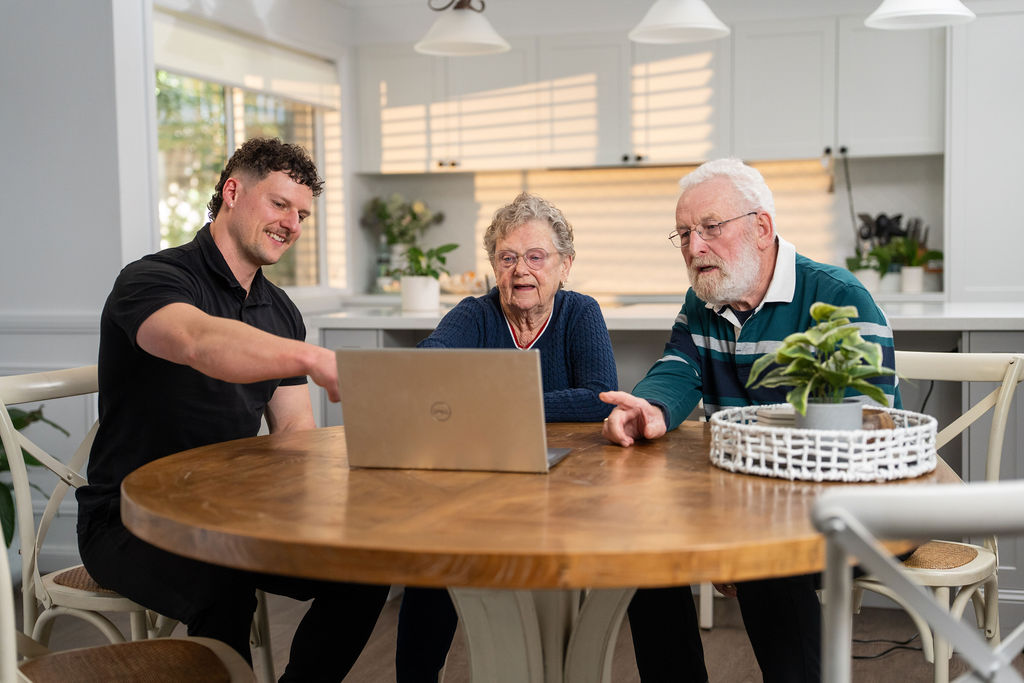
Contact us via phone, email, website, or social media to discuss your needs, preferences, and location. Our friendly team will guide you through the initial steps.
02.
Book an Appointment
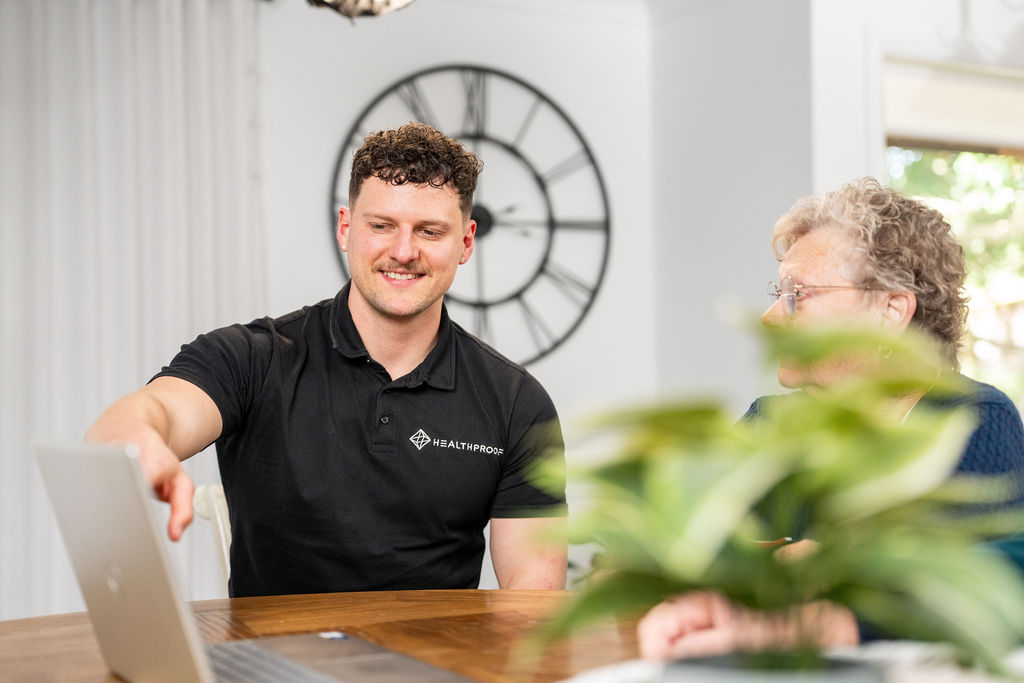
Schedule a convenient time for a home visit with our team. We’ll work with you to coordinate the necessary treatment and ensure the session aligns with your preferences.
03.
Provide Relevant Information
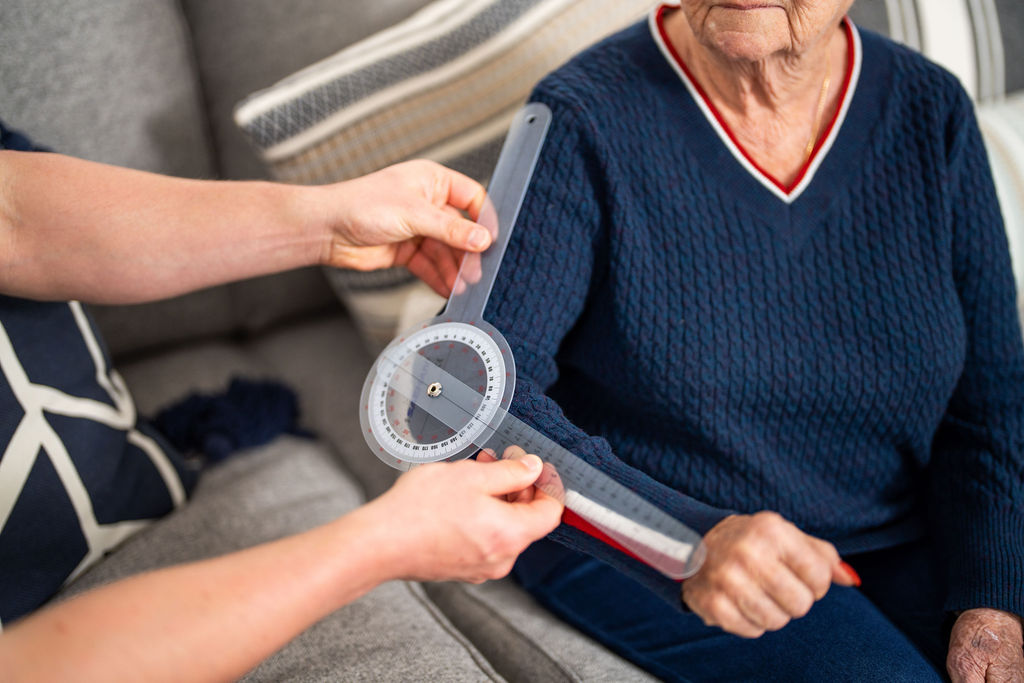
You may need to provide relevant medical documents, diagnoses, or reports to help us better understand your situation. This information allows us to tailor the assessment to your specific needs.
04.
Home Visit and Assessment
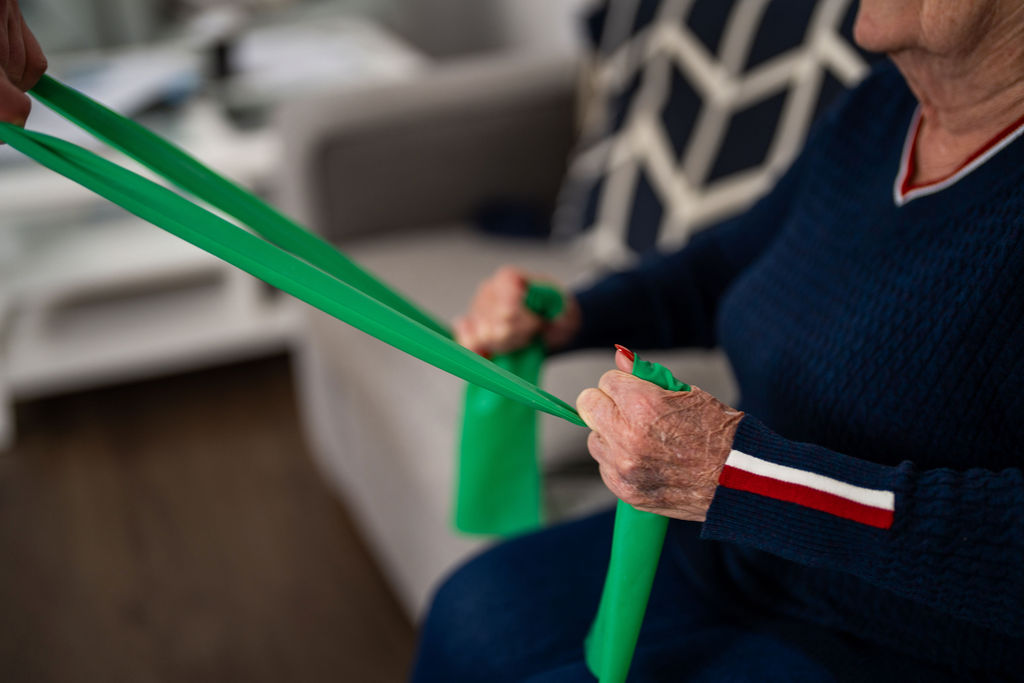
On the scheduled day, our occupational therapist will arrive at your home equipped with the tools and materials needed for your session. The therapist will conduct a detailed assessment, evaluating your physical, cognitive, and environmental needs while understanding your lifestyle and goals.
05.
Personalised Therapy Plan and Treatment
Following the assessment, we’ll design a customised treatment plan that includes targeted exercises, adaptive solutions, and ongoing therapy. Regular sessions will focus on achieving your goals, with progress tracked and adjustments made as needed.
06.
Continuous Support and Care
Our commitment doesn’t end with the session. We provide ongoing support, guidance, encouragement, and updates to your therapy plan to ensure optimal outcomes.

NDIS Registered Provider
As a registered NDIS provider, Healthproof brings extensive experience
At Healthproof, we’re proud NDIS providers with lots of experience helping people with disabilities and complex needs. Our mission is to help improve the independence, mobility, well-being, quality of life and comfort of patients with disabilities by providing them access to quality healthcare services.
Mobile Occupational Therapy FAQs
What does an occupational therapist do?
What is a functional capacity assessment?
Will an FCA guarantee more NDIS funding?
Can an occupational therapist recommend home modifications?
Can you assess assistive technology at home?
Do I need a referral?
Can a family member, support worker or coordinator attend?
How long does an occupational therapy assessment take?
Does Healthproof work with children and adults?
Is telehealth occupational therapy available?
Arrange Mobile Occupational Therapy in Sydney
Provide the person’s main functional concerns, goals, location, requested assessment or report and funding pathway. Healthproof can review the referral and confirm the appropriate next step.