
Healthproof provides mobile exercise physiology across Greater Sydney for people who need individual clinical exercise support for a health condition, disability, injury, deconditioning or reduced physical capacity.
An exercise physiologist can assess current function, health risks, activity history and goals, then design and review an exercise program that can be completed safely in the person’s home or another suitable setting. Service availability and the need for medical clearance are confirmed individually.
Exercise Physiology Delivered at Home
A home-based exercise program should be designed around the person, not around a fully equipped gym. The exercise physiologist can consider the available space, stairs, furniture, supports, equipment, daily routine and barriers that affect physical activity.
A mobile appointment may be useful for people who:
- find travel or clinic access difficult;
- are unfamiliar or uncomfortable with gyms;
- need exercise to be adapted around disability or chronic health needs;
- have become deconditioned after illness, injury or reduced activity;
- want to practise exercises in the environment where they will continue them;
- need a carer or support worker involved with consent; or
- require a graded pathway back to community activity.
Home exercise is not automatically low risk. The clinician still needs relevant health information, informed consent, suitable space and a plan for responding to adverse symptoms.
What an Exercise Physiologist Assesses
The initial assessment may include:
- the person’s health conditions, injuries and relevant medical history;
- medications that affect heart rate, blood pressure, balance, fatigue or exercise response;
- current activity and exercise experience;
- symptoms during activity;
- strength, balance, mobility, endurance or functional capacity;
- confidence, motivation and previous barriers;
- daily routines, support and available equipment;
- the physical environment;
- disability-related functional goals;
- preferences and activities the person wants to return to; and
- signs that require medical review, physiotherapy or another service.
Testing is selected for the person’s needs and risk rather than applying a standard fitness test by default.
What Our Clients Are Saying
EXCELLENT Based on 141 reviews
 Posted on Google
 Maria SCherise and Martina have great people skills and are amazing at their jobs! Their experience in the industry is highly recommended and due to these lovely young ladies, my 86 year old mum is doing really well. They are very patient and motivational Thank you Healthproof for your wonderful and competent staff - Mum and I really appreciate it.Posted on Google
 Rashpal DhillonMy Physiotherapist, Sathya has been fabulous— very understanding, caring and clear with instructions. Made me feel very comfortable and confident. Keep it up Sathya. If ever I need physiotherapy again I hope I can locate you.Posted on Google
 Margaret RobertsI had the best massage of my life with Samantha. I could really feel the results of it. Very happy. Thank you Samantha.Posted on Google
 Antonia PJayme is such an amazing physio! Could not recommend morePosted on Google
 Carolina PuseI had my TKR 2 weeks ago and currently doing my physio at home with the help of Healthproof. At this stage, I am happy with my progress specifically with the help of Serena. She is just amazing, professional and knowledgeable. She motivates me with the exercises and really cares about the success of my recovery.Posted on Google
 George Ike D. Ursua (Jojo)My mother gets an excellent treatment from Fiona the O.T. From Healthproof . Highly recommended .Posted on Google
 Jay BroughtonHighly recommend Laura, their speech therapist Laura is super caring & it comes through in her work Her knowledge & insights have been truly helpful & appreciated She’s patient but determined to help my participant Put them together you have a 5 star speech therapist, who’d I couldn’t recommend more Thanks LauraPosted on Google
 licia politisPaulo was my physio, who was extremely helpful in my recovery. He gave me lots of encouragement and support during our sessions. He provided me with exercises and knowledge to assist with my rehab post surgery, which helped me understand the progress of my recovery.Posted on Google
 Ghazi Al AliI recently had a hip resurfacing and with private health cover was able to benefit from home visits. Nadeem and Paulo from health proof are just so understanding and help you when you need that extra push. They are fantastic highly suggest if it is available to you!







Clinical Exercise for Chronic Conditions and Disability
Accredited Exercise Physiologists are trained to prescribe exercise for people with health conditions, injuries or disability.
Exercise physiology may be considered for people living with:
- cardiovascular or metabolic conditions;
- neurological conditions;
- musculoskeletal conditions or persistent pain;
- respiratory conditions;
- cancer and treatment-related deconditioning;
- mental health conditions where exercise forms part of a broader care plan;
- disability-related changes in strength, endurance or function;
- age-related deconditioning;
- reduced activity after illness or hospitalisation; or
- several coexisting conditions that require exercise to be adapted carefully.
Exercise does not replace medical management. The exercise physiologist may need information from a GP or specialist and will work within any medical restrictions.
Building a Sustainable Starting Point
The first program may be deliberately modest. Frequency, intensity, time and type of exercise should reflect the person’s capacity, symptoms, goals and recovery. A safe starting point is more useful than an ambitious program that cannot be maintained.
Monitoring and Adaptation
The clinician may monitor symptoms, perceived exertion, technique, balance and other relevant measures. The program can be progressed, modified or paused based on response and health changes.
Supporting Self-Management
Education may cover pacing, recovery, planning activity, recognising warning signs and adapting exercise on difficult days. Self-management does not mean leaving the person without review; it means building knowledge and confidence appropriate to their circumstances.
Strength, Balance, Endurance and Everyday Function
Exercise physiology should connect exercise to meaningful activities.
Strength
Strength exercises may support tasks such as standing from a chair, carrying items, climbing steps or using mobility aids. The program should account for pain, joint health, technique, equipment and support.
Balance
Balance work may be considered where there is a safe environment and suitable level of supervision. A history of falls, dizziness, neurological symptoms or unstable health may require physiotherapy or medical assessment first.
Endurance
Graded aerobic activity may help a person build tolerance for walking, household activity, community access or recreation. Intensity must be adapted for medications, symptoms and the person’s health conditions.
Mobility and Functional Exercise
The clinician may include movements that support reach, transfers, walking or other daily tasks. Where a person needs detailed gait assessment, acute injury management, manual therapy or mobility-aid prescription, physiotherapy may be the more appropriate lead service.
Rehabilitation and Return to Activity
Exercise physiology may support the later or longer-term stage of rehabilitation when the person needs a structured pathway to rebuild physical capacity.
This can include:
- graded return to regular physical activity;
- rebuilding strength or endurance after illness;
- progressing exercise after physiotherapy or medical treatment;
- reducing fear of movement through supervised progression;
- planning around flare-ups, fatigue or variable symptoms;
- adapting activities to disability or environmental barriers; and
- transitioning from supervised sessions to a sustainable independent routine.
Recovery depends on the condition, baseline, medical restrictions, adherence, environment and other factors.
NDIS Exercise Physiology in Sydney
NDIS exercise physiology may be considered where clinical exercise is linked to disability-related functional goals and participation.
Depending on assessment, support may focus on:
- strength, endurance and physical capacity;
- balance and safe activity;
- exercise adapted to disability;
- confidence and participation in physical activity;
- development of a home program;
- education for the participant and support network;
- progress review; and
- reports where clinically required and agreed.
A disability-related clinical intervention is distinct from general fitness or recreation, which may not be funded as an allied health support.
Confirm your funding pathway, plan management and any report requirements with our team before your first appointment. An assessment or report does not guarantee continued or additional NDIS funding.
Your Individual Home Exercise Program
A useful program should be specific enough to follow and flexible enough to fit daily life.
Clear Instructions
You should understand the purpose of each exercise, starting level, repetitions or duration, frequency, equipment, rest and signs to stop. Written, visual or video instructions may be used where appropriate and consented to.
Realistic Equipment
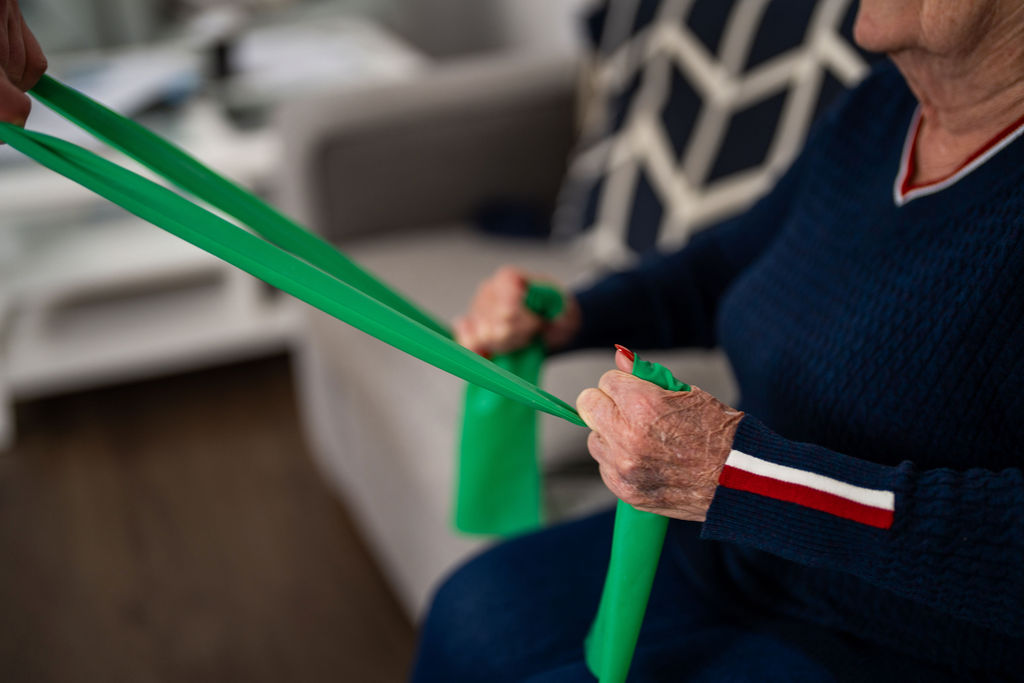
Programs can use body weight, resistance bands, household items or small equipment when safe. Equipment is only recommended after checking condition, setup, space and your ability to use it.
Planned Progression
Progress may involve changing resistance, repetitions, duration, complexity or activity context. More is not always better.
Review and Adherence
If a program is not being completed, the clinician will explore why. Pain, fatigue, fear, lack of support, unclear instructions, competing priorities or an unsuitable program may all require adjustment.
Support-Person Involvement
A family member, carer or support worker may learn how to prompt, set up or supervise selected activities, with your consent. Their role and boundaries are documented clearly.
Exercise Physiology and Physiotherapy – What Is the Difference?
Both services may work with movement and rehabilitation, but the primary focus can differ.
Physiotherapy May Be the First Step When
- there is an acute injury or post-operative issue;
- pain or movement dysfunction needs physiotherapy assessment;
- mobility, gait, transfers or falls risk require detailed assessment;
- hands-on physiotherapy treatment may be relevant;
- a mobility aid or physiotherapy-specific intervention is being considered; or
- new neurological or musculoskeletal symptoms need assessment.
Exercise Physiology May Be the First Step When
- the main need is structured clinical exercise for a chronic condition;
- the person needs a graded program for strength, endurance or physical capacity;
- disability-related exercise needs to be adapted and progressed;
- the person is transitioning from rehabilitation to sustained activity; or
- long-term exercise participation and self-management are central goals.
Some people benefit from collaboration or a planned transition between the services. We will point your enquiry to the right discipline based on the main clinical question, rather than treating the two as interchangeable.
Exercise Physiology and Personal Training
An Accredited Exercise Physiologist is an allied health professional with university training and profession-specific accreditation for clinical exercise. A personal trainer works primarily with general fitness and exercise instruction within their qualifications.
A person with complex health conditions, disability, rehabilitation needs or significant exercise risk may require an exercise physiologist. This does not mean every person needs clinical exercise services; general fitness support may be appropriate once health risks and goals are understood.
Safety, Medical Clearance and When to Stop Exercise
The exercise physiologist reviews relevant medical information and decides whether clearance or further assessment is needed. This is particularly important when symptoms are new, health is unstable or exercise restrictions have been given.
Stop exercise and seek clinical advice for unexpected symptoms such as:
- chest pain or pressure;
- severe or unusual shortness of breath;
- fainting or near fainting;
- new neurological symptoms;
- palpitations with concerning symptoms;
- severe or rapidly worsening pain;
- unusual weakness or loss of function; or
- signs of an acute injury.
Call 000 for an immediate threat to life. Information on this page cannot replace individual emergency or medical advice.
Normal exercise responses can include increased breathing, warmth and temporary muscle fatigue. The expected response is explained for your individual program.
What to Expect at Your First Appointment
Before the Visit
Provide relevant medical information, medication list, referrals, recent reports, current exercise program, goals, address and access details. Tell Healthproof about falls, dizziness, chest symptoms, recent surgery or medical restrictions.
Assessment
The exercise physiologist discusses health, symptoms, goals and exercise history before completing suitable functional or exercise assessment. Wear comfortable clothing and safe footwear where possible.
Program Design
The clinician explains the recommended starting point, exercise technique, frequency, monitoring and signs to stop. The plan may begin during the first appointment or after further information is obtained.
Follow-Up
Follow-up reviews technique, response, adherence and progress. The clinician can adjust the program and discuss how you can continue activity between appointments.
Sydney Areas We Visit
Healthproof provides mobile exercise physiology across Greater Sydney, including Western Sydney, Sydney CBD, South West Sydney, North Sydney, Canterbury Bankstown, Northern Beaches, Sutherland Shire, Hornsby, Hills District, Campbelltown and Macarthur, Sydney Inner West, Wollondilly and Sydney Eastern Suburbs, and in Melbourne. Confirm your address and preferred timing when you enquire.
Why Trust Our Exercise Physiology Services
Personalised Care
We believe that every patient is unique and deserves personalised care. We take the time to get to know you and your individual needs, and we tailor our services to meet those needs.
Convenience – Support at Your Doorstep
Our mobile services allow patients to get personalised care in the comfort of their home, avoiding the burdens of travelling and if the patient has mobility issues.
Expert Professionals
Our team comprises highly qualified allied health professionals passionate about providing top-quality, evidence-based care. We ensure that all our staff are fully registered and insured and have undergone extensive background checks.
Holistic Services
Healthproof offers various allied health services, including physiotherapy, occupational therapy, speech therapy, and more. We are dedicated to providing holistic care to help you achieve your health goals.
Flexible Funding Options
Life can be unpredictable, and appointments may need to be rescheduled. That’s why we offer various funding options and flexible scheduling options to accommodate your needs.
+61 291 886 442
Book your allied health services appointment
How It Works

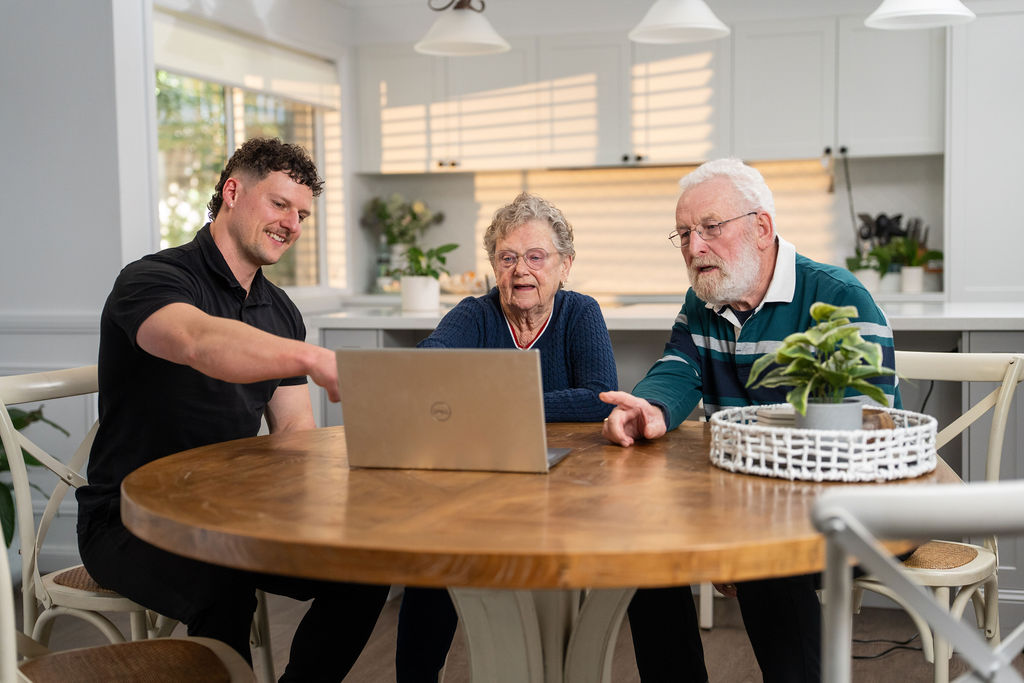
01.
Get in Touch
Reach out to us via phone, email, website, or social media to discuss your fitness and health goals. Our team will guide you through the process and answer any questions.
02.
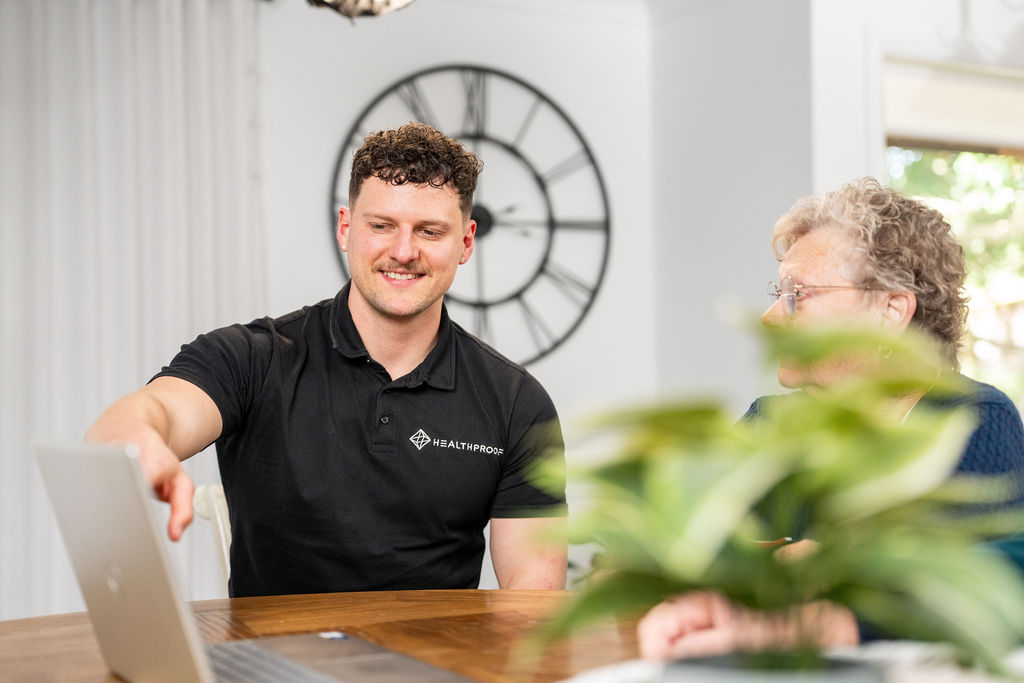
Book an Appointment
Schedule a convenient time for your first home visit. We’ll coordinate with you to ensure the session aligns with your preferences and lifestyle.
03.
Provide Relevant Information
To tailor your program, you may need to share relevant medical documents, diagnoses, or reports. This helps us better understand your condition and specific needs.
04.
Home Exercise Assessment
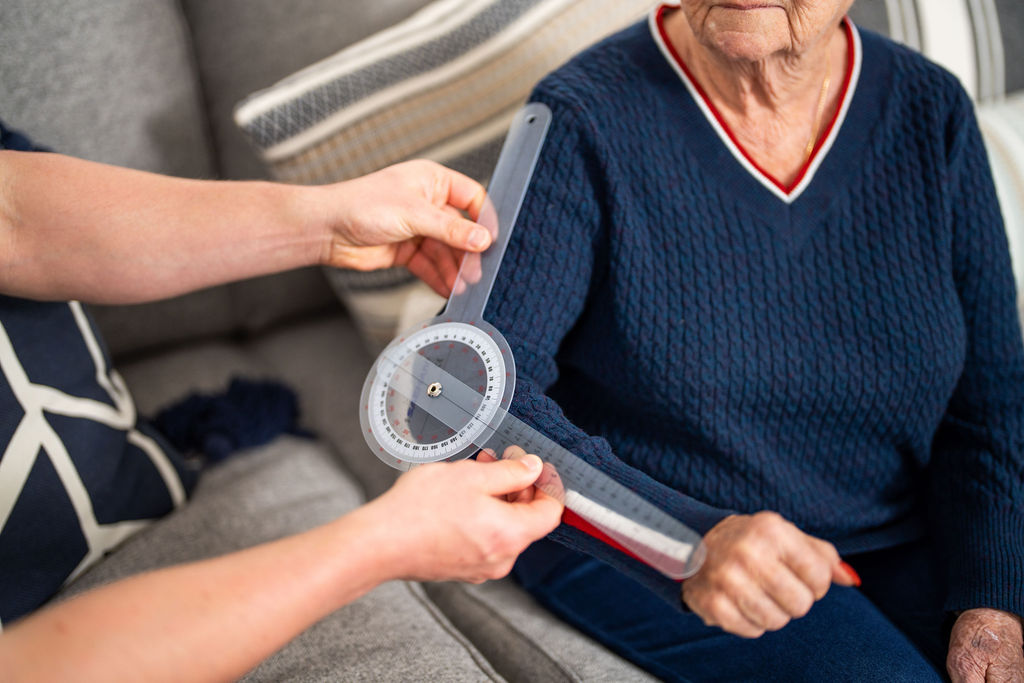
On the scheduled day, our exercise physiologist will visit your home equipped with tools and assessment materials. They will conduct a thorough evaluation of your physical health, fitness levels, and goals.
05.
Personalised Exercise Plan
Based on the assessment, we’ll design a customized exercise program tailored to your abilities, condition, and objectives. Regular sessions will focus on improving your strength, mobility, and overall well-being.
06.
Ongoing Support and Progress Tracking
We provide continuous guidance, track your progress, and make necessary adjustments to your program. Our goal is to ensure your exercise plan remains effective and aligned with your evolving needs.

NDIS Registered Provider
As a registered NDIS provider, Healthproof brings extensive experience
At Healthproof, we’re proud NDIS providers with lots of experience helping people with disabilities and complex needs. Our mission is to help improve the independence, mobility, well-being, quality of life and comfort of patients with disabilities by providing them access to quality healthcare services.
Mobile Exercise Physiology FAQs
What is an Accredited Exercise Physiologist?
What conditions can exercise physiology support?
Is exercise physiology the same as physiotherapy?
Is it the same as personal training?
Can I receive exercise physiology through the NDIS?
Do I need a referral?
Can I use Medicare or private health insurance?
Do I need exercise equipment at home?
Is muscle soreness normal?
Is telehealth exercise physiology available?
Arrange Mobile Exercise Physiology in Sydney
Provide the person’s health conditions, goals, location, current activity, relevant medical information and funding pathway. Healthproof can review suitability and confirm whether an appropriately credentialled exercise physiologist is available.