
Healthproof provides mobile podiatry across Greater Sydney for people who need foot and lower-limb assessment or care in their home, aged-care setting or another suitable community location.
A podiatrist can assess how pain, nail or skin concerns, footwear, diabetes, disability or changes in mobility are affecting foot health and daily function. The available service depends on clinical need, appointment setting, equipment requirements and current podiatrist capacity.
Podiatry Care Delivered to Your Home
Foot problems can make walking, footwear, exercise and everyday tasks harder. For people with disability, reduced mobility, frailty, transport barriers or complex support needs, attending a clinic may also be difficult.
A mobile podiatry appointment allows the podiatrist to see the person’s usual footwear, walking environment and support arrangements. Depending on the referral, the clinician may assess:
- the skin and nails;
- areas of pressure, pain or irritation;
- circulation or sensation indicators within podiatry scope;
- footwear fit and wear patterns;
- gait and lower-limb function;
- the impact of diabetes or other health conditions;
- current foot-care routines;
- mobility aids and activity demands; and
- whether further medical, vascular, wound or allied health assessment is needed.
Some podiatry procedures require particular equipment or a clinic environment. Ask our team whether this service is currently available.
Foot Pain, Nail and Skin Care
Nail Care
Thickened, difficult-to-reach, damaged or painful nails may require assessment and appropriate care. The podiatrist can consider nail shape, surrounding skin, footwear pressure, trauma, infection risk and the person’s medical history. An ingrown toenail can range from mild irritation to significant infection, and the podiatrist will explain whether conservative care, a procedure, medical review or another pathway is required.
Corns and Callus
Corns and callus can develop where repeated pressure or friction affects the skin. Care may include reducing the thickened skin where appropriate, reviewing footwear and identifying the source of pressure. Simply removing callus may not address the underlying cause — ongoing pressure, foot shape, gait, activity or footwear may need to be considered.
Fungal and Other Skin Concerns
Changes in nail colour, thickness, skin integrity or irritation can have several causes. The podiatrist may assess the presentation and discuss foot-care or referral options. Diagnostic certainty and treatment may require medical testing or prescription management outside the routine appointment.
Heel, Arch and Forefoot Pain
Foot pain may relate to load, footwear, joint or soft-tissue factors, injury, nerve irritation or another condition. The podiatrist can assess the pattern and function, then discuss suitable management or referral. Severe, unexplained or rapidly worsening pain requires prompt medical assessment.
What Our Clients Are Saying


 Trustindex verifies that the original source of the review is Google.
 Trustindex verifies that the original source of the review is Google.
 Trustindex verifies that the original source of the review is Google.
 Trustindex verifies that the original source of the review is Google.
 Trustindex verifies that the original source of the review is Google.
 Trustindex verifies that the original source of the review is Google.
 Trustindex verifies that the original source of the review is Google.
 Trustindex verifies that the original source of the review is Google.
 Trustindex verifies that the original source of the review is Google.







Diabetic Foot Health
Diabetes can increase the importance of regular foot observation and timely assessment, particularly where sensation, circulation, skin integrity or healing is affected.
A podiatry assessment may consider:
- skin and nail condition;
- areas of pressure, callus or breakdown;
- protective sensation using appropriate clinical methods;
- pulses or other circulation indicators within scope;
- footwear;
- previous ulcers, infection or amputation;
- self-care ability and support;
- gait and pressure patterns; and
- the need for GP, diabetes team, vascular, wound or hospital review.
The podiatrist will explain your risk level and an appropriate review plan. Podiatry cannot prevent every ulcer or complication.
Seek urgent medical advice for:
- a new wound or ulcer;
- spreading redness, heat or swelling;
- discharge, odour or signs of infection;
- sudden colour change;
- a foot that becomes unusually cold;
- rapidly increasing pain;
- fever or systemic illness; or
- a new injury in a person with reduced sensation or circulation risk.
Call 000 for an immediate threat to life. Do not wait for a routine appointment when the foot is deteriorating quickly.
Gait, Mobility and Footwear Assessment
The feet and lower limbs can influence comfort, balance and confidence with movement. A podiatrist may assess walking, foot posture, joint movement, strength, footwear and activity demands.
Recommendations may include:
- footwear changes;
- activity or load modification;
- foot or lower-limb exercises within podiatry scope;
- padding or offloading;
- orthotic discussion or review;
- coordination with physiotherapy or exercise physiology; or
- medical or specialist referral.
Footwear Advice
Useful footwear advice considers fit, fastening, width, depth, sole, stability, pressure areas, activity and the person’s ability to put shoes on. No single shoe type suits everyone.
Orthotic Assessment
Orthoses may be considered for selected foot and lower-limb needs. Assessment should identify the functional goal, footwear compatibility, trial or casting process, costs, review and limitations. Ask our team whether this service is currently available. An orthotic device is not guaranteed to remove pain or correct every gait issue.
Working With Physiotherapy or Exercise Physiology
Podiatry may address foot-specific factors while physiotherapy assesses broader movement, balance or rehabilitation and exercise physiology addresses longer-term clinical exercise. Referral between disciplines should occur when it helps answer a distinct need.
NDIS Podiatry in Sydney
NDIS podiatry may be considered where foot-health support is related to the participant’s disability, functional needs and plan goals.
Depending on assessment and current service scope, support may involve:
- foot and lower-limb assessment;
- nail and skin care where disability affects safe self-care;
- footwear or pressure-management advice;
- gait and functional foot assessment;
- education for the participant and support network;
- orthotic or equipment recommendations where relevant; and
- reports or progress information where clinically required.
Confirm your funding pathway, plan management and any report requirements with our team before your first appointment. Service agreements, travel, consumables, orthoses and report costs may need separate clarification.
Routine personal-care tasks or general convenience alone may not meet NDIS funding criteria. A podiatry assessment or report does not guarantee continued or additional funding.
Podiatry for Older People and Aged-Care Clients
Older people may experience reduced reach, poorer vision, mobility limitations, thickened nails, pressure areas, chronic health conditions or difficulty finding suitable footwear.
A mobile podiatrist may provide assessment and care in a private home, supported environment or aged-care facility, subject to access and service arrangements. The plan may include regular review, foot-care education, footwear advice and communication with the person’s care team where consent is provided.
Ask our team whether this service is currently available, and confirm eligibility, visit frequency and fees before booking.
What to Expect During a Mobile Podiatry Visit
Before the Appointment
Provide the referral reason, medical history, diabetes status, medication list, allergies, previous foot wounds or surgery, mobility needs and funding details. Tell Healthproof if the person needs assistance to transfer or position safely.
Assessment
The podiatrist discusses the concern and examines the relevant foot and lower-limb areas. Assessment may include skin and nails, footwear, sensation, circulation indicators, joint movement, walking or pressure patterns where appropriate.
Care and Recommendations
The clinician explains what can be treated during the visit and what requires another appointment or referral. Care may include nail or skin treatment, padding, education, footwear advice, exercises, monitoring or discussion of orthoses, subject to scope.
Follow-Up
The review schedule depends on the condition, risk, goals and funding. High-risk foot concerns may need closer medical or multidisciplinary management rather than routine periodic podiatry alone.
Infection Control and Environment
The appointment area should be clean, well lit and safe for the clinician and person. Facility access, pets, smoking, infection risks and disposal requirements should be discussed before the visit where relevant.
Sydney Areas We Visit
Healthproof provides mobile podiatry across Greater Sydney, including Western Sydney, Sydney CBD, South West Sydney, North Sydney, Canterbury Bankstown, Northern Beaches, Sutherland Shire, Hornsby, Hills District, Campbelltown and Macarthur, Sydney Inner West, Wollondilly and Sydney Eastern Suburbs, and in Melbourne. Coverage depends on postcode, facility requirements, referral type and podiatrist capacity, so confirm your address and preferred timing when you enquire.
WHY TRUST OUR PRODIATRY SERVICES
Personalised Care
We believe that every patient is unique and deserves personalised care. We take the time to get to know you and your individual needs, and we tailor our services to meet those needs.
Convenience – Support at Your Doorstep
Our mobile services allow patients to get personalised care in the comfort of their home, avoiding the burdens of travelling and if the patient has mobility issues.
Expert Professionals
Our team comprises highly qualified allied health professionals passionate about providing top-quality, evidence-based care. We ensure that all our staff are fully registered and insured and have undergone extensive background checks.
Holistic Services
Healthproof offers various allied health services, including physiotherapy, occupational therapy, speech therapy, and more. We are dedicated to providing holistic care to help you achieve your health goals.
Flexible Funding Options
Life can be unpredictable, and appointments may need to be rescheduled. That’s why we offer various funding options and flexible scheduling options to accommodate your needs.
+61 291 886 442
Book your allied health services appointment
How It Works

01.
Contact Us
Contact our team via phone, email, or website to discuss your foot care needs and concerns. We’re here to answer your questions and guide you through the process.

02.
Book an Appointment
Schedule a convenient time for a home visit. Our team will work with you to coordinate the session based on your preferences and availability.

03.
Initial Assessment
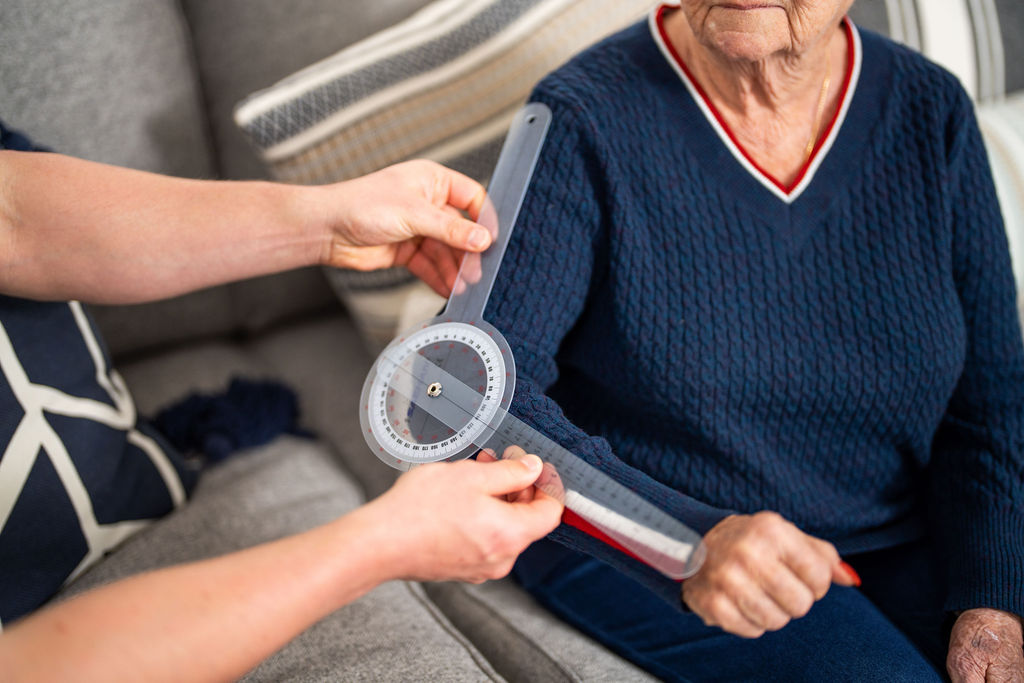
During the visit, our podiatrist will thoroughly evaluate your foot and ankle health. This includes assessing your condition, history, and lifestyle to understand your needs.
04.
Personalised Treatment Plan
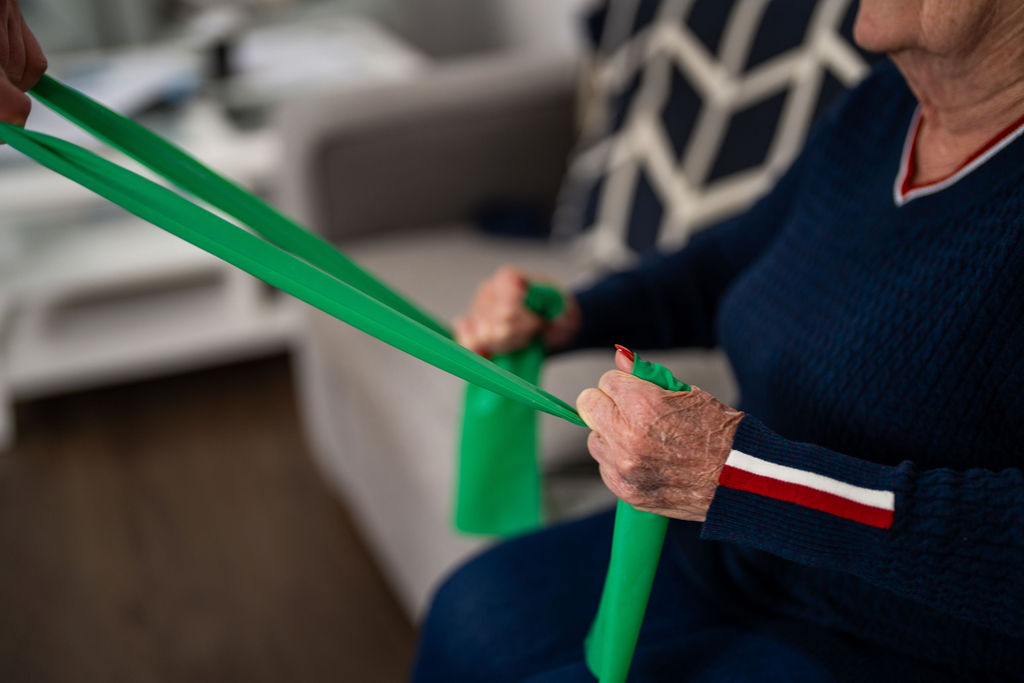
Based on the assessment, we’ll develop a customised care plan that includes nail care, orthotic therapy, injury rehabilitation, or other treatments tailored to your needs.
05.
Ongoing Therapy and Care
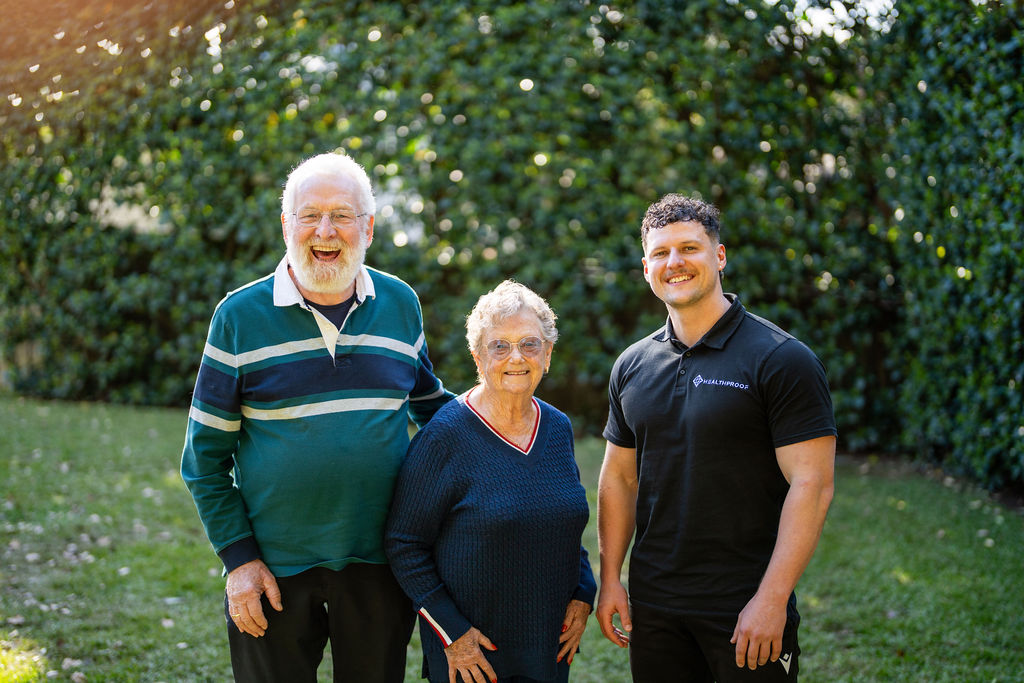
Receive regular podiatry sessions to address your concerns and track progress. We’ll adjust your treatment as necessary to ensure the best outcomes.
06.
Continuous Support
Our team is here to provide guidance and support, helping you maintain healthy feet and achieve your mobility goals.

NDIS Registered Provider
As a registered NDIS provider, Healthproof brings extensive experience
At Healthproof, we’re proud NDIS providers with lots of experience helping people with disabilities and complex needs. Our mission is to help improve the independence, mobility, well-being, quality of life and comfort of patients with disabilities by providing them access to quality healthcare services.
Mobile Podiatry FAQs
What can a mobile podiatrist help with?
Can a podiatrist treat an ingrown toenail at home?
Do you provide diabetic foot assessments?
Can I receive podiatry through the NDIS?
Do I need a referral?
Can I claim Medicare or private health insurance?
Does mobile podiatry include orthotics?
How should I prepare for the appointment?
How long does a podiatry visit take?
When is a foot problem urgent?
Arrange Mobile Podiatry in Sydney
Provide the person’s foot concern, medical risks, postcode, appointment setting and funding pathway. Healthproof can triage the enquiry and confirm whether mobile podiatry is suitable and available.