01Looking beyond the number on the scales
A malnutrition assessment explores weight changes, appetite, usual meals, drinks and recent illness. Medicines, digestive symptoms, dental problems and swallowing concerns can also matter. Relevant medical information helps put these details in context.
At home, the discussion can include shopping, cooking, opening packaging and the help available at mealtimes. The clinician can explore whether tiredness, cost or unfamiliar food is making meals harder. There is no expectation that the kitchen looks a particular way.
If weighing is difficult, explain that when booking. The dietitian can discuss assessment options and the limitations of the information available.
02Nutrition support for weight gain
Nutrition support for frailty or poor appetite may involve a high protein high energy diet, depending on assessed needs. The approach depends on your assessed needs and other health conditions. Changes should be explained in practical terms, including who will help carry them out.
For someone with little appetite, the first conversation might be about a few realistic changes rather than an extensive menu. Preferences, cultural foods and the pleasure of eating still matter. A plan that nobody wants to follow is unlikely to be useful.
An oral nutritional supplement assessment considers whether a product is needed and how it fits the eating plan. Buying a supplement without assessment can leave the underlying problem unexplored.
03Working with the people around you
With consent, family members, carers or support workers can help explain what happens between appointments. The plan should be clear enough for the people buying, preparing or serving food. Discuss any limits on their time or responsibilities.
Malnutrition prevention in aged care may involve the facility’s nursing and food service teams, alongside existing care. A private appointment should not create a second set of instructions that staff cannot reconcile.
04When another service is involved
Coughing, choking or difficulty swallowing may need speech pathology assessment. The dietitian addresses nutritional adequacy, while swallowing recommendations need the clinical assessment.
If a texture modified diet is already prescribed, nutrition support for texture modified meals can help coordinate food choices. Occupational therapy may also be relevant when daily tasks or equipment make eating difficult.
05Reviewing whether the plan is workable
Follow up may consider food intake, appetite, weight trends when needed and how the changes fit daily life. Your response and medical situation guide adjustments. There is no single weight gain target or review schedule suitable for everyone.
Tell the dietitian if a recommendation is unaffordable, unpleasant or difficult to prepare. These are useful clinical details, not reasons to feel that you have failed. The plan may need a different approach.
06Why a home visit can be useful
A home nutrition visit can include the meals, packaging and kitchen routine you actually use. You can explain appetite changes and the practical reasons food is sometimes left uneaten.
A relative or meal preparer can join with consent to discuss shopping, portions and available assistance. Familiar food provides a concrete starting point for advice that fits the assessed nutrition needs and existing care.
07Funding nutrition support
Medicare-supported dietetics requires the relevant eligibility and referral. Ask about private health insurance or private payment where applicable. Confirm consultation, travel and report costs before arranging the visit.
NDIS funding requires an eligible disability related need and appropriate plan arrangements. Support at Home and Commonwealth Home Support Programme (CHSP) depend on assessed needs and approved services. Permanent residential aged care has separate funding and coordination requirements.
You or your chosen referrer can use online referrals to share the care request and relevant information.
08What to share before the appointment
Let Healthproof know about recent weight changes, medical investigations and current nutrition or swallowing plans. A medicine list and a description of usual meals can help. You do not need to change your eating to prepare for the assessment.
Seek prompt medical advice if weight loss is unexplained or intake is declining. Inability to keep fluids down, marked weakness or signs of dehydration may need urgent assessment. Do not wait for a routine dietitian appointment if the person is becoming acutely unwell.





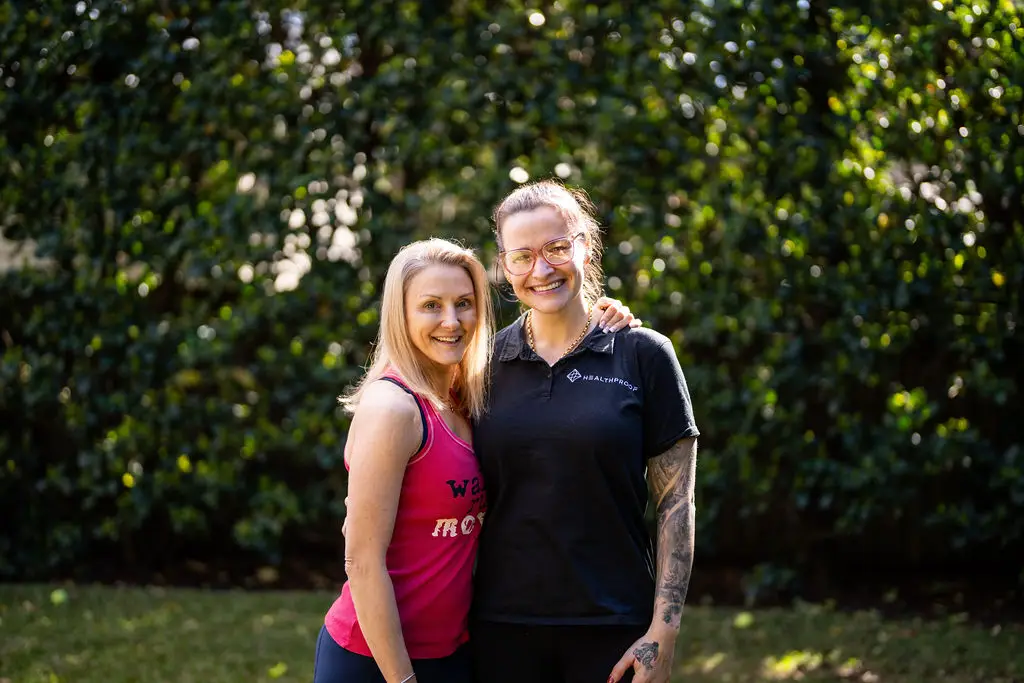

 Corey BiczoManaging Director and Co-FounderRead profile
 Stephen BrushDirector and FounderRead profile
 Amita ChandClinical and Risk ManagerRead profile
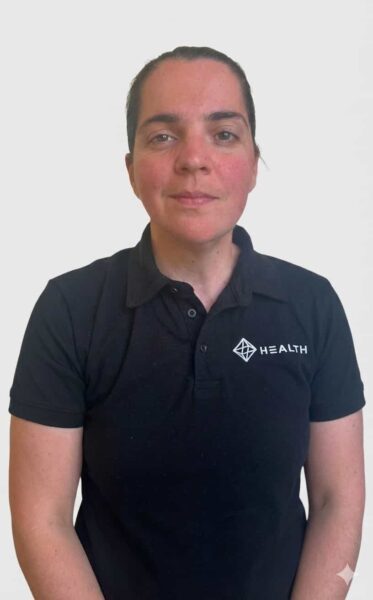 Alana Di MartinoPhysiotherapist with over 10 years' experienceRead profile