Physiotherapy

Muscle, joint or persistent pain can affect the shape of your day. You might plan around a sore back, avoid a favourite activity or feel unsure how much movement is sensible.

Musculoskeletal physiotherapy in Sydney starts with those practical difficulties and your own priorities. Healthproof brings mobile musculoskeletal physiotherapy to homes and agreed community settings across Greater Sydney and Melbourne. The aim is to understand how pain affects function and discuss a manageable plan, without promising a cure or dismissing your experience.

Prefer to talk? Call (02) 9188 6442

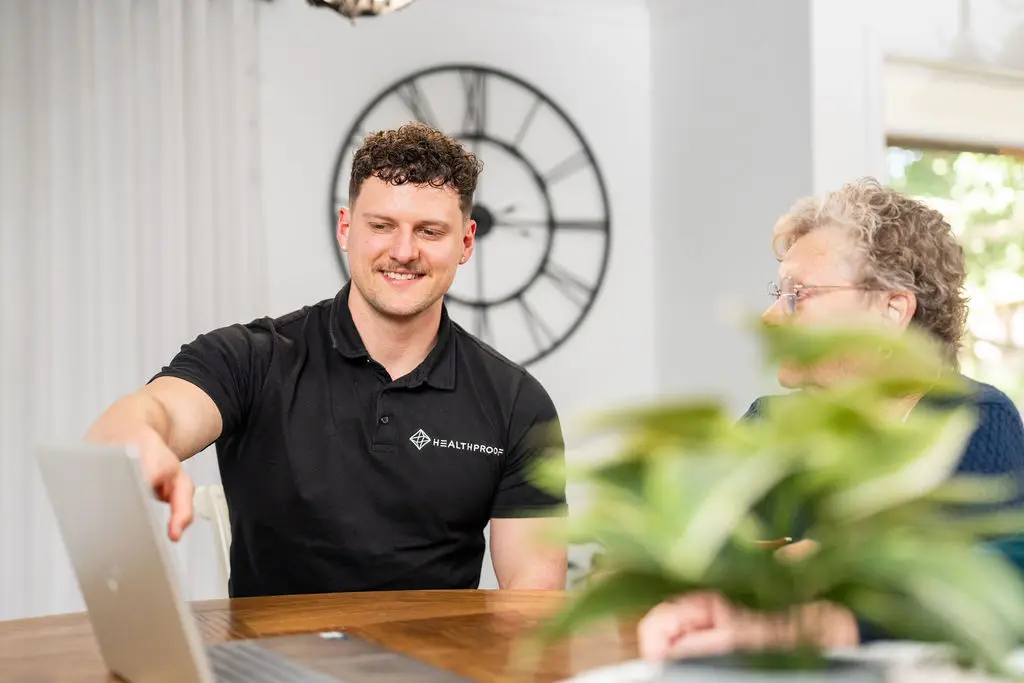
A Healthproof physiotherapy home visit

Who musculoskeletal physiotherapy in Sydney may suit

An assessment may suit people whose muscle, joint or ongoing pain interferes with movement, work, rest or daily activity. Some people have a clear diagnosis; others are still working with their doctor to understand the problem. Physiotherapy can form one part of broader care.

Persistent pain is real, even when a scan does not fully explain the experience. At the same time, new symptoms or a significant change in an established problem need appropriate assessment. Do not assume every new concern is simply another flare.

Back, neck, shoulder and knee pain can affect different tasks, from turning in bed to reaching a shelf. Joint pain physiotherapy considers those movements alongside your health history and any medical advice.

A conversation before an exercise plan

The physiotherapist asks about the history of the pain, previous treatment and the activities you want to manage. They explore how symptoms vary, what tends to trigger a difficult day and which approaches have been helpful or unhelpful. Sleep, stress and daily demands may also be relevant.

Movement assessment can look at strength, mobility, activity tolerance and the tasks you avoid or find uncomfortable. You should be able to explain your concerns and discuss the pace of assessment.

The clinician can recommend medical review or another service if the presentation needs further investigation. A home appointment is not a substitute for diagnosing every possible cause of pain.

Building a plan you can use

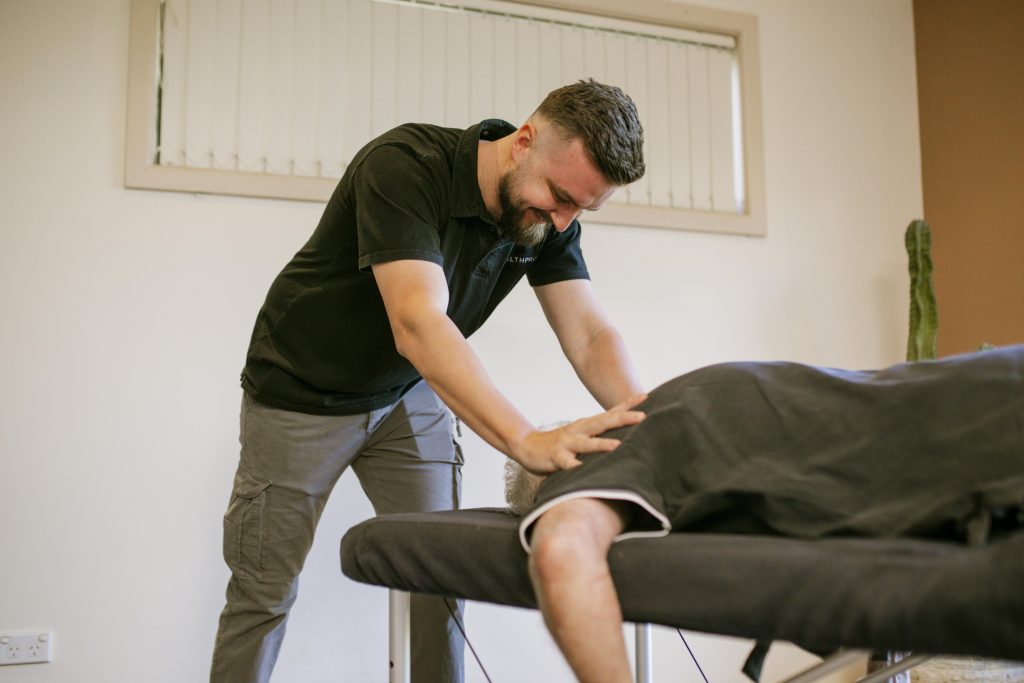
Options for your plan include education, individually chosen exercise, pacing and gradual practice of meaningful activities. The physiotherapist should explain the reasoning and agree on a starting point that reflects your current situation. A plan is more useful when it fits an ordinary day.

Pacing may involve organising activity and rest more deliberately, rather than doing everything on a better day and struggling afterwards. Activity progression should be reviewed against your response. It does not mean ignoring symptoms or forcing movement through severe pain.

Progress can include doing a valued task more consistently, understanding a flare or feeling more confident making activity choices. Pain scores may be considered, but they are not the only measure. The clinician should reconsider the approach if it is not helping.

Pain management physiotherapy and wider care

Pain management may involve your GP, medical specialists, a psychologist, an occupational therapist or an exercise physiologist. Each contributes a different perspective. Your preferences and consent should guide how information is shared.

Exercise physiology may support an ongoing clinical exercise routine. Occupational therapy may help adapt daily tasks and routines. Physiotherapy does not replace prescribed medicines or medical care, and medication changes belong with the prescriber.

Why a home visit can be useful

You can show the clinician the chair, desk or household activity involved when pain interrupts your day. This gives the assessment context beyond a pain score or a description of one movement.

A home appointment also avoids travel to that session. The discussion can focus on the activities you value, the support available and a plan that makes sense in your routine.

Funding and the purpose of treatment

Medicare, DVA, private health insurance and approved workers compensation or CTP claims have different referral and eligibility requirements. Ask Healthproof which information is needed for the proposed appointment.

NDIS funding must address eligible disability support needs rather than all pain treatment. Eligible older people can discuss approved allied health through Support at Home or CHSP. Confirm assessment, travel, reporting and any gap payment before booking.

Private payment is also available for discussion. You or your chosen referrer can use online referrals to share the care request and relevant information.

What to bring to the conversation

Think of one activity you would like to make easier, even if the goal seems small. It might be preparing lunch, taking a short walk or sitting comfortably with family. You do not need a long list of exercises in mind.

Have relevant reports and a current medicine list available. Explain anything you have been advised to avoid. If previous treatment left you worried or unheard, tell the clinician so that concern can be part of planning.

How Our Mobile Health Services Work

Seamless In-Home Care Tailored to Your Needs

01.
Schedule Your Initial Consultation

Contact us to arrange a session with our allied health professionals. We’ll discuss your health concerns, goals, and medical history.

02.
Develop a Personalised Care Plan

Based on your initial assessment, we designed a custom therapy plan to enhance mobility, independence, and recovery.

03.
Start Receiving Therapy at Home

Our health professionals visit your home to provide ongoing therapy and support, focusing on your unique care plan.

04.
Continuous Monitoring and Adjustments

We track your progress regularly, adjusting your therapy to ensure optimal results and continuous improvement.

Where appointments are available

This service is part of Healthproof’s mobile physiotherapy care.

Home and community appointments are available across Greater Sydney and Melbourne, with the setting and clinician confirmed for your needs.

Western Sydney, Sydney CBD, South West Sydney, North Sydney, Canterbury Bankstown, Northern Beaches, Sutherland Shire, Hornsby, Hills District, Campbelltown and Macarthur, Sydney Inner West, Wollondilly, Sydney Eastern Suburbs, and Melbourne.

NDIS Registered Provider

As a registered NDIS provider, Healthproof brings extensive experience

At Healthproof, we’re proud NDIS providers with lots of experience helping people with disabilities and complex needs. Our mission is to help improve the independence, mobility, well-being, quality of life and comfort of patients with disabilities by providing them access to quality healthcare services.

Your questions answered

Is physiotherapy for chronic pain just exercise?

Exercise may be part of the plan, alongside education, activity planning and functional practice. The mix depends on assessment and your goals. The clinician should explain why each element has been recommended.

Do I need a new scan before the appointment?

Not automatically. Share any existing reports and your doctor’s advice. The need for imaging or medical investigation depends on the symptoms and findings, and should be decided through the relevant clinical pathway.

What happens if an activity causes a flare?

Discuss the response with your clinician so the plan can be adjusted. Ask beforehand what symptoms to expect, when to stop and when to seek medical advice. A sudden or unusual change should not be dismissed.

Can physiotherapy guarantee that my pain will go away?

No. Responses differ, and some people continue to experience pain. A realistic plan considers function, confidence and daily participation, with review points to assess whether the approach is worthwhile for you.

The team behind your care

Meet some of the people who lead Healthproof's clinical services.

We work with

  • NDIS
  • Medicare
  • Department of Veterans' Affairs
  • icare NSW
  • HCF
  • Bupa
  • Karista

Talk with Healthproof

Tell Healthproof how pain is affecting your day and what you would like to work towards. The team can discuss a home assessment and the relevant referral pathway.

Call (02) 9188 6442 or use Enquire Now or Make A Referral.