01Who stroke speech therapy in Sydney may suit
Aphasia therapy may be suitable after the hospital team has assessed the person and arranged ongoing care. A referral can also relate to continuing communication difficulties after an earlier stroke. The team needs relevant medical and rehabilitation information.
The priority might be expressing everyday needs, joining family conversations or understanding an appointment letter. Goals can be small and practical. They should reflect the person’s own priorities rather than only what others want them to say.
Speech therapy after an acquired brain injury or for another neurological condition needs an assessment matched to that condition. Ask about neurological speech therapy and clinician suitability when you enquire.
02What the assessment covers
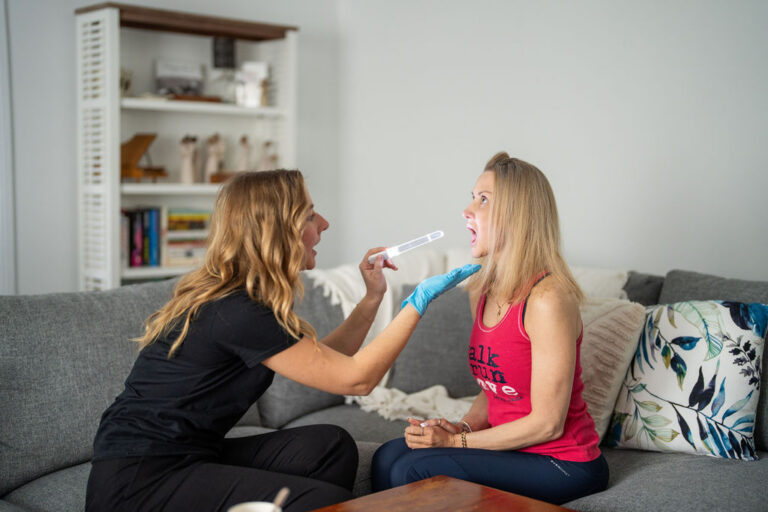
The speech pathologist can explore understanding, spoken expression, reading, writing and other ways of communicating. They may use conversation, selected activities and existing reports to build a picture. Hearing, vision, fatigue and the communication environment may influence the assessment.
The clinician asks about situations that are difficult outside the appointment. A conversation with one familiar person can be different from a group discussion or phone call. Those differences help shape the plan.
With consent, a family member or support person may contribute. They should have space to explain concerns without taking over every response. The appointment needs to remain accessible to the person receiving care.
03What stroke speech rehabilitation may include
Therapy may involve practice of selected language skills, strategies for everyday communication and support for conversation partners. Pictures, written keywords, gestures or a communication aid may also be useful. The approach depends on assessment and personal preference.
Practice should connect to meaningful situations, such as making a choice, sharing news or asking a question. The clinician should explain what can be tried between sessions and how much help is useful.
Recovery and ongoing needs vary, so the plan includes review without promising a return to previous communication. Stroke rehabilitation physiotherapy addresses movement and mobility. Speech pathology addresses communication, with swallowing assessed separately when needed.
04Supporting conversations at home
A communication partner may learn to allow more time, present information differently or check understanding in a respectful way. The right approach is individual. Repeating a question more loudly is not necessarily helpful.
AAC support may provide additional ways to communicate. If swallowing is also affected, it needs a distinct swallowing assessment. Communication therapy alone does not establish that eating and drinking are safe.
05Why a home visit can be useful
After stroke, everyday communication can involve familiar people, objects and routines. A home visit lets the speech pathologist consider those situations while you explain what matters most to you.
A chosen conversation partner can join with consent and learn the agreed strategies. The appointment can fit within existing rehabilitation, with a defined communication purpose and the treating team’s advice available.
06Funding and ongoing care
Early rehabilitation after stroke can be the health system’s responsibility. Share the discharge plan and existing services before arranging private home therapy. Medicare, DVA and private health insurance have specific eligibility and referral conditions.
NDIS funding can be considered for eligible ongoing disability supports. Approved older-person allied health can be discussed under Support at Home or CHSP. Confirm the pathway, assessment, travel and report fees.
The diagnosis alone does not determine funding. You or your chosen referrer can use online referrals to share the care request and relevant information.
07Preparing for the appointment
Have discharge and speech pathology reports available, along with any communication book or device already in use. Explain the person’s preferred language and how they currently express choices. A few examples of important conversations can help.
Tell the team about fatigue, hearing or vision needs and who the person wants involved. There is no need to practise answers beforehand. The assessment should reflect current communication and provide a workable starting point.

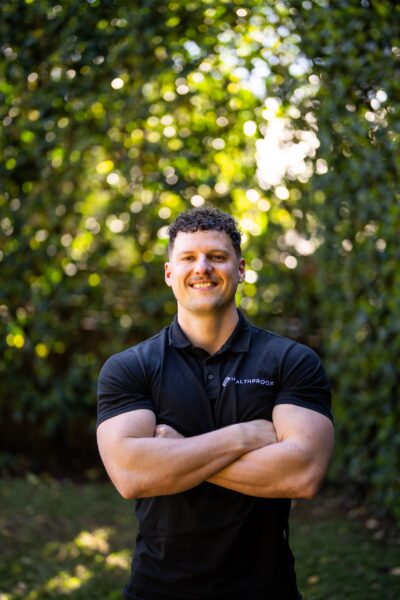 Corey BiczoManaging Director and Co-FounderRead profile
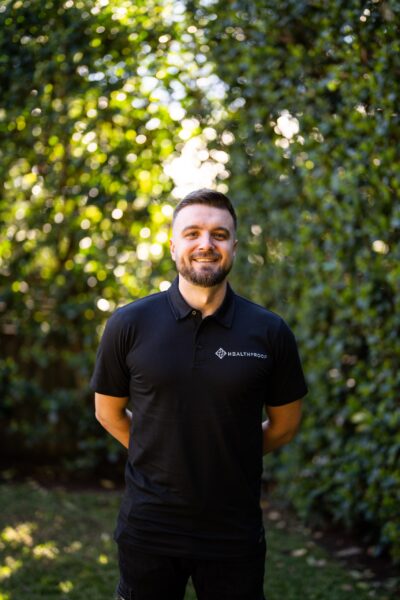 Stephen BrushDirector and FounderRead profile
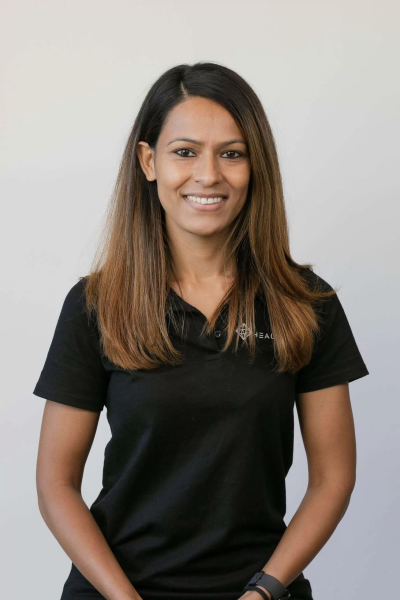 Amita ChandClinical and Risk ManagerRead profile
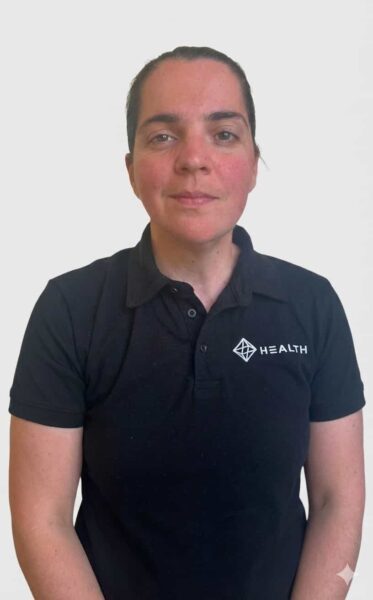 Alana Di MartinoPhysiotherapist with over 10 years' experienceRead profile