01Assessment comes before the technique
The physiotherapist asks about the symptoms, their effect on daily activity and what you have already tried. Movement assessment helps establish whether physiotherapy is appropriate and whether needling has a reasonable role. A request for dry needling does not mean it will automatically be recommended.
Tell the clinician about medicines, bleeding problems, pregnancy, skin conditions, infection, immune conditions and previous reactions to needles. Mention fainting, anxiety or any difficulty remaining in the required position. Do not stop prescribed medication to prepare for treatment.
The clinician also considers privacy, hygiene, positioning and the equipment needed for a home appointment. Some situations are better managed through another treatment or in another setting.
02Benefits, limitations and informed choice
The physiotherapist should discuss the expected purpose, the uncertainty around benefit and relevant alternatives. Options may include exercise, education, changes to activity or other appropriate physiotherapy approaches. You can ask why needling is being suggested and how its value will be reviewed.
Consent should be specific and voluntary. You can decline the technique or ask for it to stop. Being comfortable with physiotherapy does not automatically mean you have agreed to a needle procedure.
A useful plan remains focused on your functional goals. If needling does not provide a worthwhile benefit, the clinician should reconsider its place rather than continuing it without a clear reason.
03Possible risks and aftercare
Possible effects include temporary soreness, bruising, bleeding or feeling faint. Infection and other serious complications are possible. Needling near the chest carries a rare risk of pneumothorax, where air enters around the lung.
Your clinician should explain risks relevant to the treatment area and your health. Ask for clear aftercare instructions and who to contact if something concerns you.
Chest pain or breathlessness after needling needs urgent medical assessment. Call 000 for severe breathing difficulty or another emergency.
A mobile appointment does not remove these risks. Safety depends on appropriate assessment, training, technique, infection control and recognising when the procedure should not be used.
04How it fits with other physiotherapy
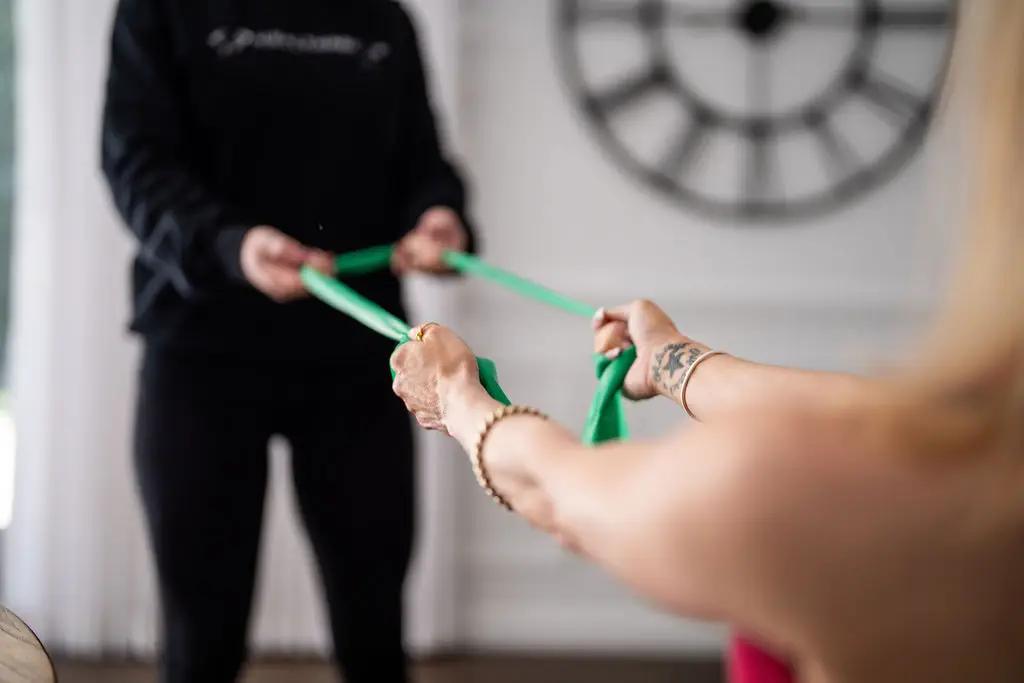
Where symptoms have persisted, chronic pain physiotherapy may help you explore activity, function and self management more broadly. Needling is not a substitute for that assessment.
If walking or daily movement is the main concern, mobility and gait physiotherapy may be a more useful starting point. Describe the difficulty rather than feeling you must choose a technique yourself.
05Why a home visit can be useful
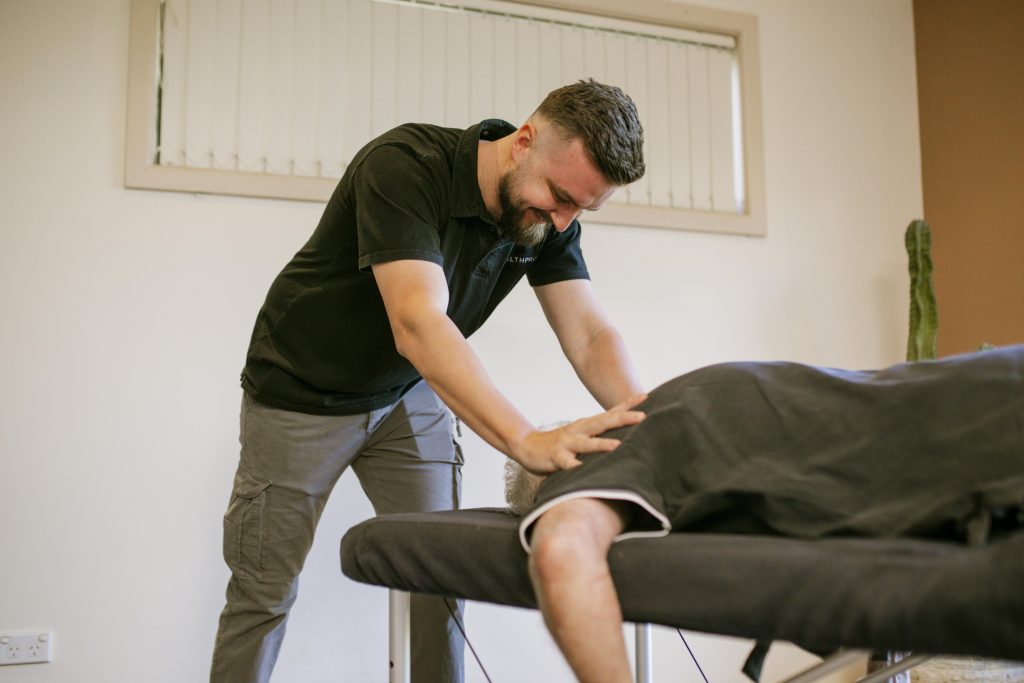
A home physiotherapy appointment can assess the movement or daily task behind your enquiry. The clinician can discuss whether dry needling has a role alongside other options, without requiring a separate trip for assessment.
You can ask about the proposed treatment, risks and alternatives before deciding. A suitable treatment space and the clinician’s assessment remain necessary for any procedure at home.
06Fees and funding
Funding for physiotherapy does not automatically include dry needling. Ask Healthproof about the proposed appointment and its costs before deciding. Medicare, DVA and private health insurance have their own referral, eligibility and billing requirements.
For NDIS, Support at Home or CHSP, check whether the actual service is permitted within your arrangements. These links explain funding pathways, not approval for the technique. Private payment is another option when treatment is clinically appropriate.
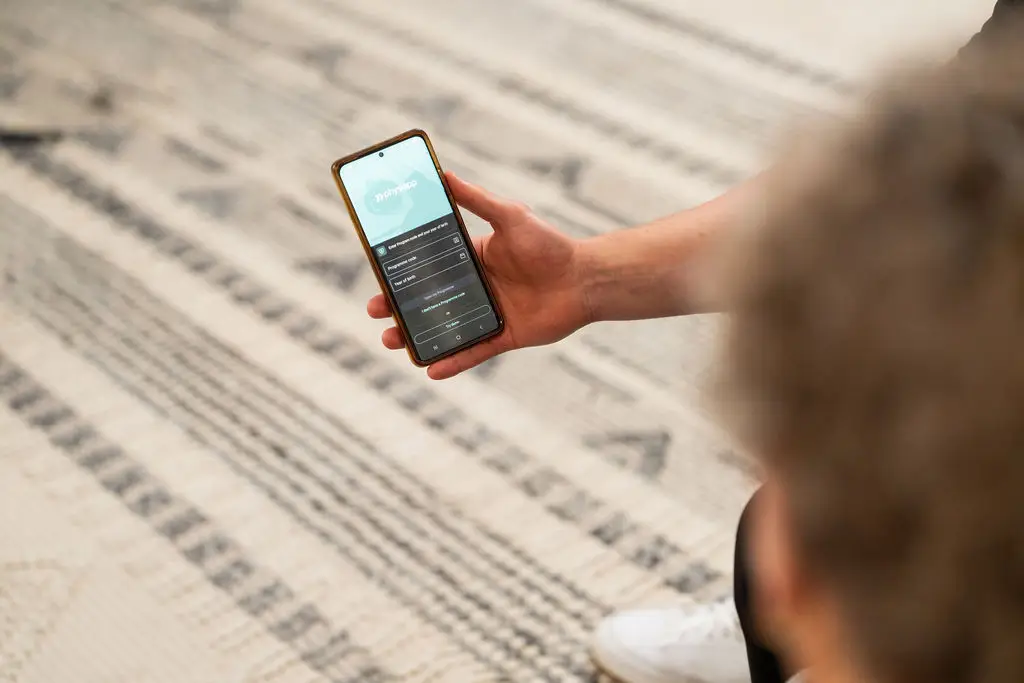
You or your chosen referrer can use online referrals to share the care request and relevant information.
07What to tell the team
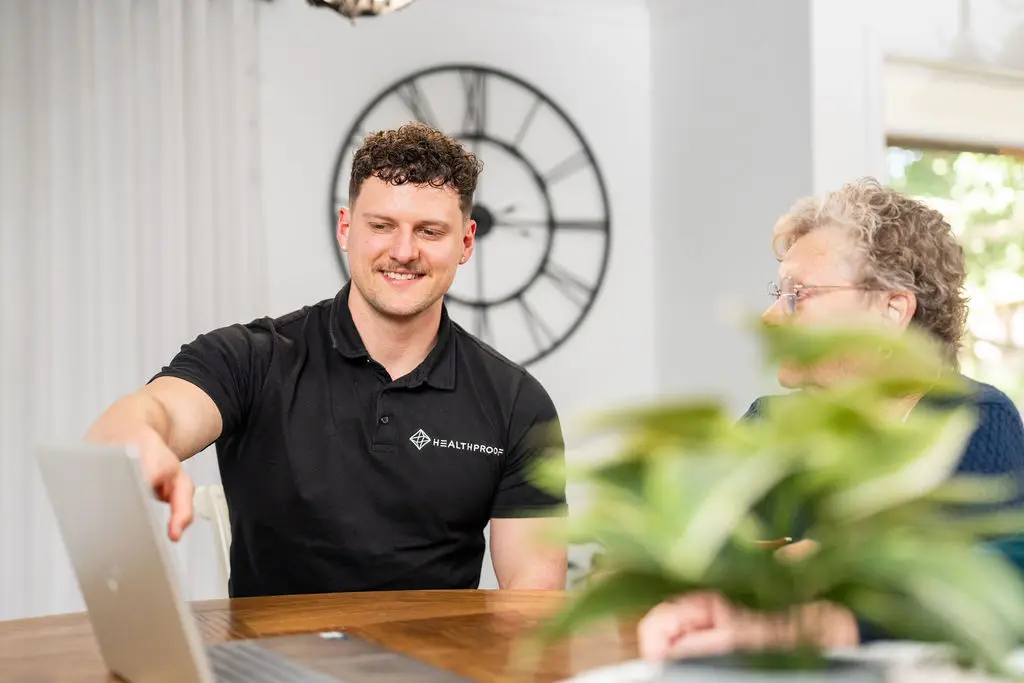
Explain where the symptoms are, how long they have been present and which activities are affected. Let the team know that you are asking specifically about dry needling. This helps them consider the clinician and equipment required.
You are welcome to bring questions about alternatives or share a previous experience with needles. The decision should be made after assessment and discussion, not because a particular procedure has already been booked.

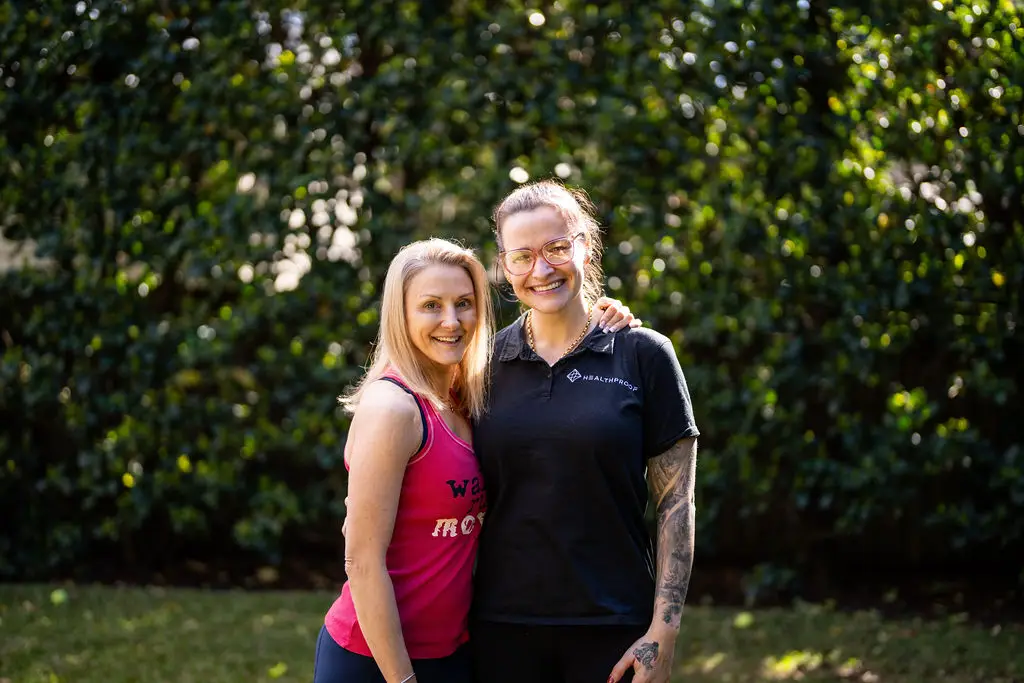

 Corey BiczoManaging Director and Co-FounderRead profile
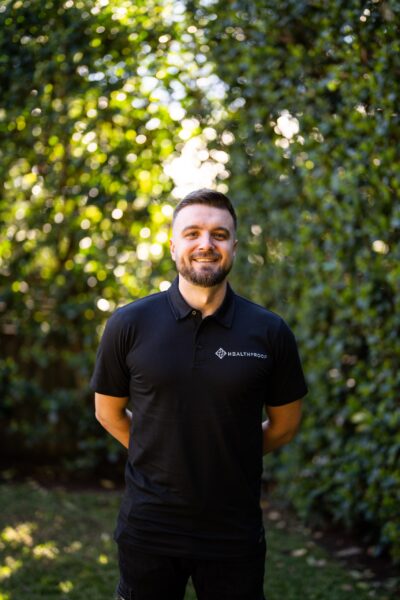 Stephen BrushDirector and FounderRead profile
 Amita ChandClinical and Risk ManagerRead profile
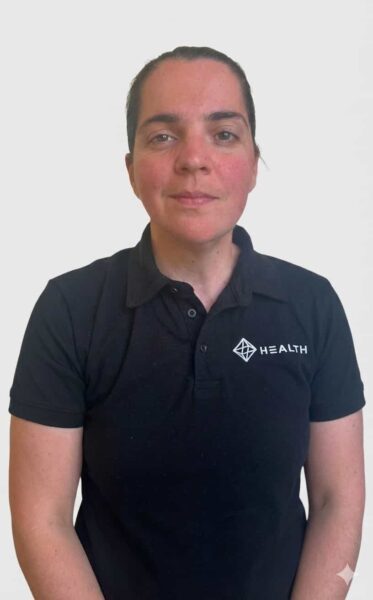 Alana Di MartinoPhysiotherapist with over 10 years' experienceRead profile