01Adult communication assessment
The speech pathologist asks about the conversations, activities and relationships that matter to you. Assessment considers speaking, understanding, reading, writing and the methods you already use. Fatigue, hearing, vision and the environment may also affect communication.
Assessment options include conversation, selected tasks or observation during a relevant routine. Standardised tools may be used when needed, but a test score does not describe your whole experience. Explain what happens in situations the clinician cannot observe.
Communication preferences should guide the appointment. You may want extra time, written choices, an interpreter or a familiar support person. Needing help to express yourself does not remove your right to participate in decisions.
02Adult communication therapy for daily life
Options discussed can include work on specific communication skills, changes to how information is presented or strategies for conversation partners. The plan may involve written keywords, pictures, gestures or communication technology. Options should match your needs and preferences.
Practice can focus on a real activity, such as explaining a choice, discussing an appointment or joining a family conversation. The clinician should explain how the activity relates to your goal and what support is useful between sessions.
Family members or support workers may be involved with your consent. Their role is to make communication more accessible, not to speak over you or assume what you mean. Strategies should be reviewed if they are frustrating or difficult to use.
03Making the environment easier to use
Noise, time pressure and unfamiliar language can make communication more demanding. The speech pathologist can discuss changes that reduce those barriers. A familiar room or routine can help reveal what already works.
The most useful adjustment may be simple, but it still needs to suit the person. Some people prefer written information; others find it difficult. Avoid assuming that one method works for everyone with the same diagnosis.
04Choosing a more specific service
If communication changed after a stroke, see stroke and aphasia support. If speaking is unreliable or unavailable, AAC assessment may help explore additional methods.
Voice therapy focuses on voice concerns and may require medical assessment. The team can help identify a starting point from your description, without asking you to diagnose the difficulty.
05Why a home visit can be useful
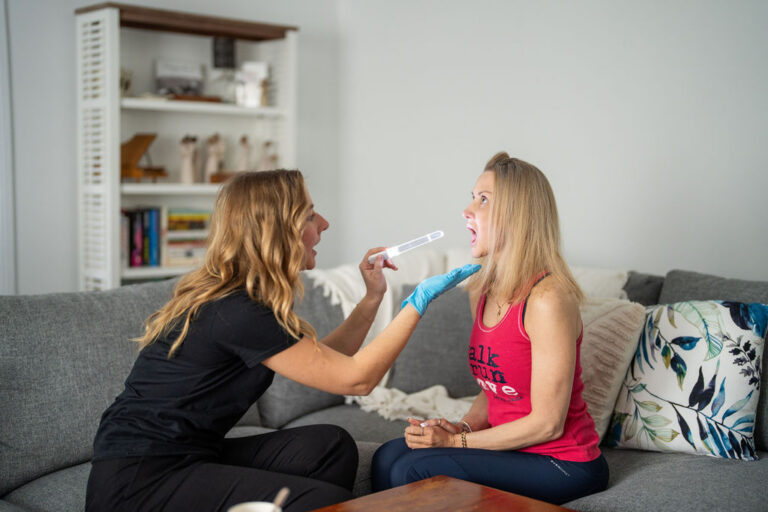
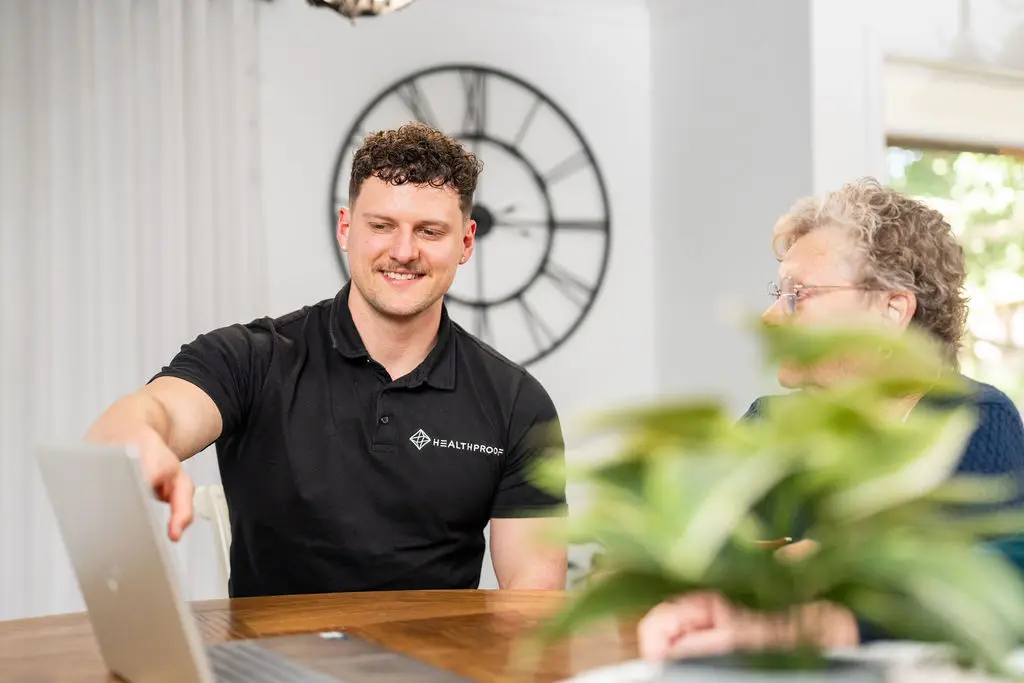
Communication needs often emerge in familiar conversations and routines. A home appointment lets you explain the situations that matter, using the methods and supports you already know.
You can choose a communication partner to join relevant parts of the discussion. The clinician can consider the environment, allow time for your preferences and discuss strategies in the setting where they will be used.
06Funding and referrals
NDIS communication supports must address eligible disability needs and fit the participant’s plan. Medicare and DVA have their own referral and eligibility requirements. Ask about private health insurance or private payment where relevant.
Approved older-person allied health can be discussed through Support at Home or CHSP. Confirm the appointment, travel and report costs. Communication devices and other equipment can require separate assessment and approval rather than being included in therapy funding.
You or your chosen referrer can use online referrals to share the care request and relevant information.
07Before the first visit
Bring examples of communication situations you want help with. Existing reports, communication books or devices can be useful. Tell the team how you prefer to receive information and whether someone will attend with you.
If you use more than one language, explain which languages are important in daily life. The assessment needs to consider that context. Do not assume difficulty in an unfamiliar language means there is a communication disorder.

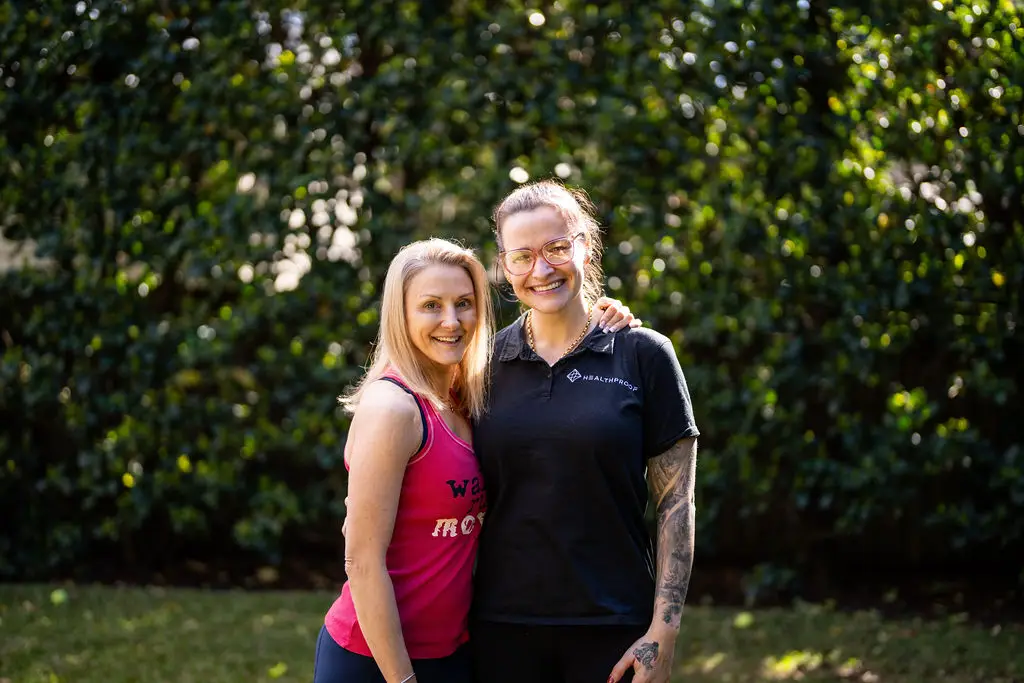

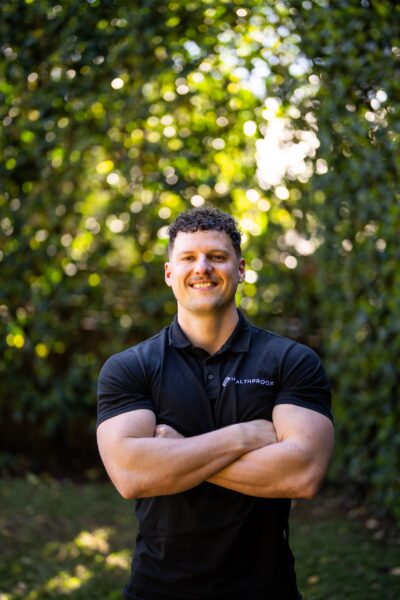 Corey BiczoManaging Director and Co-FounderRead profile
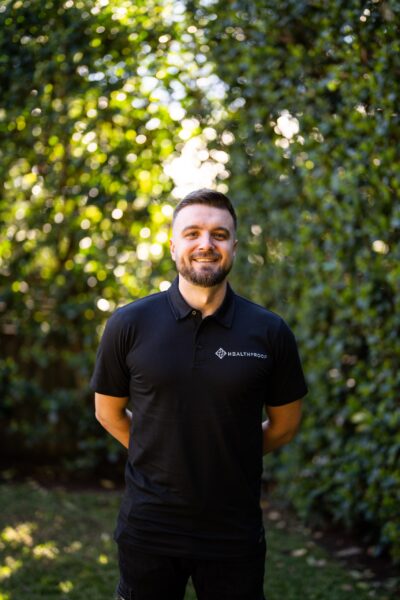 Stephen BrushDirector and FounderRead profile
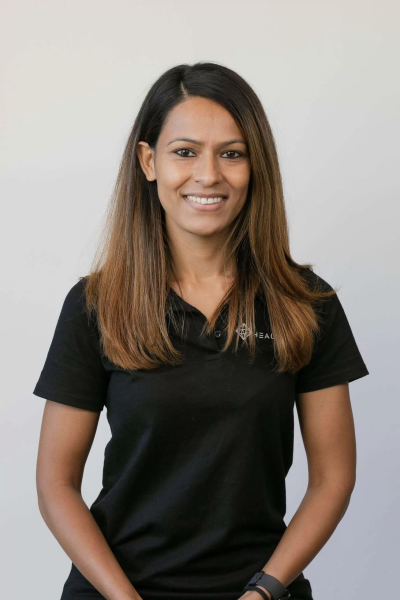 Amita ChandClinical and Risk ManagerRead profile
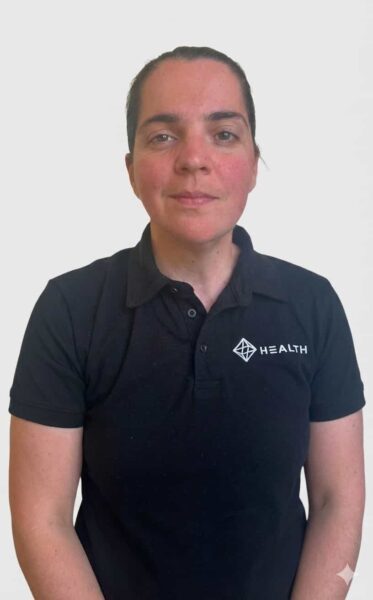 Alana Di MartinoPhysiotherapist with over 10 years' experienceRead profile