01Your podiatry footwear assessment
Assessment options include foot and lower limb movement, symptoms, areas of pressure and relevant skin or nail concerns. The clinician can observe walking when needed and review the shoes you normally wear. Existing inserts and their wear patterns can provide useful information.
Tell the podiatrist about work demands, walking surfaces and how long you typically wear particular shoes. Comfort at the start of the day may differ from comfort after several hours. A therapeutic footwear assessment considers activity, shoe fit and any clinical need for specialised footwear.
Medical conditions, sensation and circulation concerns matter, particularly when equipment could create pressure. The clinician should explain whether further investigation is needed before an orthotic recommendation is made.
02Foot orthoses and prescription orthotics
Foot orthoses are inserts used to provide support, cushioning or alter how pressure is distributed. Prescription orthotics may be prefabricated, modified or custom made, depending on assessment. More complex or expensive does not automatically mean more suitable.
The podiatrist should explain the intended purpose, alternatives and any limitations. Recommendations may be combined with footwear advice or an activity plan. No insert can promise to correct every source of foot, knee or back pain.
Manufacture, fitting and adjustment may involve separate appointments or a supplier. Confirm which stages Healthproof provides and which need another setting. A home assessment does not mean every manufacturing or measurement method is available during the visit.
03Making the recommendation practical
An insert needs to fit the shoe as well as the foot. Available depth, fastening, wear and the type of activity may affect the choice. If you need work footwear or have difficulty fastening shoes, explain this before a product is selected.
The clinician should discuss how to introduce any new orthoses and what discomfort or skin changes need attention. Follow individual instructions rather than a generic wearing schedule. Persistent pain or rubbing needs review.
Consider the total arrangement, including purchase costs, replacement, adjustments and follow up. The recommendation should be understandable before you commit to it.
04Related foot and mobility care
Podiatry gait assessment may be relevant when walking is the main concern. For diabetes, diabetic foot assessment considers skin, sensation and circulation risks that may affect footwear.
If transfers, wider movement or balance are difficult, physiotherapy may also be appropriate. Footwear is one part of the wider picture, not an explanation for every movement problem.
05Mobile orthotics assessment
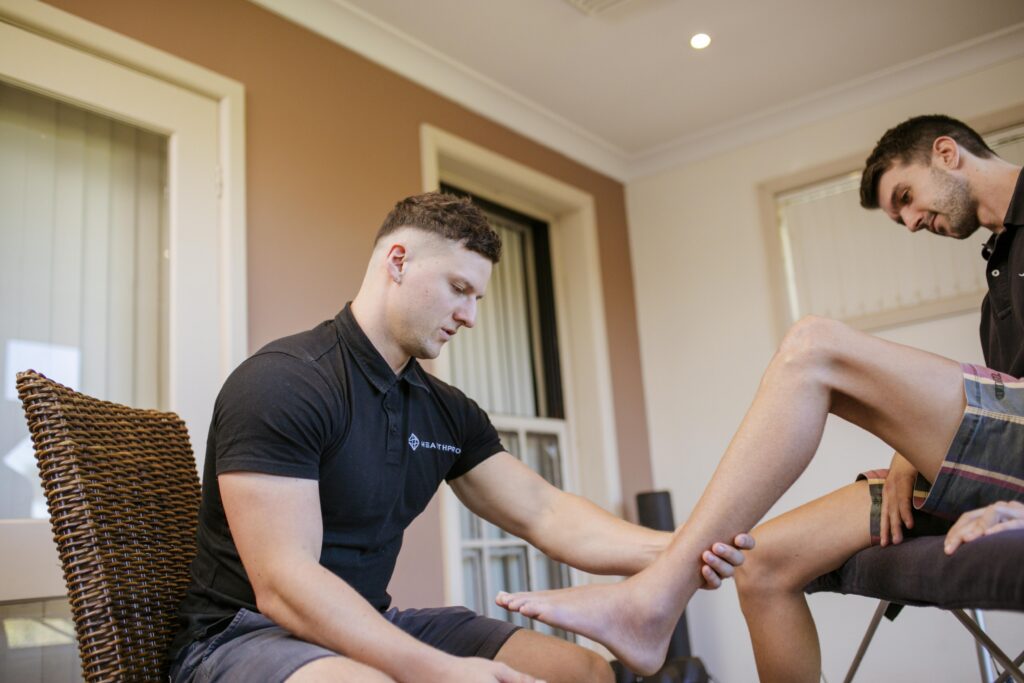
At home, the podiatrist can review the shoes you actually wear for different parts of the day. You can explain where rubbing or discomfort occurs and show any inserts already used.
This gives the assessment context for practical footwear decisions. The clinician can discuss options and limitations before any product is chosen, with fitting, trials and purchase costs clarified separately.
06Funding the assessment and products
Private health insurance can treat consultations and orthoses differently. Medicare eligibility for an appointment does not establish funding for a product. DVA and NDIS have their own eligibility and approval requirements.
For older people, check approved services under Support at Home or CHSP. Ask about assessment, measurement, manufacture, fitting and adjustment costs. Private payment can be discussed, without pressure to buy a particular product.
Confirm reimbursement before purchasing. You or your chosen referrer can use online referrals to share the care request and relevant information.
07What to have ready
Keep the shoes you wear most often nearby, including work shoes and indoor footwear. Include old orthoses, even if you no longer use them. Explain why you stopped wearing a particular item.
Note where discomfort occurs and which activities bring it on. Tell the team about swelling, skin changes and medical advice. Those details help the podiatrist assess the whole problem rather than only the appearance of the shoe.






 Corey BiczoManaging Director and Co-FounderRead profile
 Stephen BrushDirector and FounderRead profile
 Amita ChandClinical and Risk ManagerRead profile
 Alana Di MartinoPhysiotherapist with over 10 years' experienceRead profile