01Assessment in a familiar environment
The OT asks what your child enjoys, what is difficult and which routines create the most stress. Existing reports and observations from educators provide context when you consent to sharing them. Your child’s own views should be included in an accessible way.
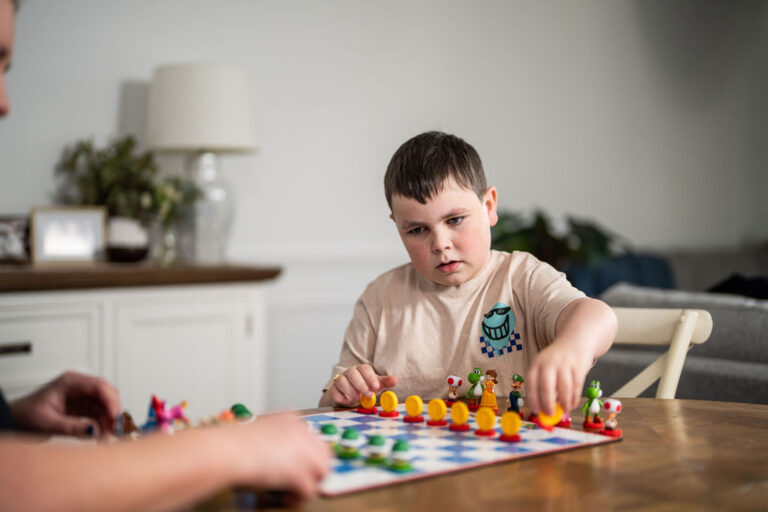
Assessment options include observation, play or practical tasks. The clinician can consider the physical setup, instructions, sensory environment and support needed. A task that is hard in a noisy classroom may be quite different at home.
Tell the team about preferred communication, breaks and anything that helps your child feel safe. The appointment should not depend on forcing participation when your child is distressed.
02A plan the family can use
Options discussed can include practising selected skills, adjusting a task or changing the environment. Visual supports, different equipment or a clearer sequence may be considered when needed. The clinician should explain why each strategy has been chosen.
Practice should fit the family’s routine and available time. A small, useful change may be more manageable than a long list of activities. Discuss what you can realistically carry out and which supports are needed.
The OT may work with parents, carers and educators with consent. Consistent approaches can help, but home and school do not always need identical routines. Review should consider your child’s experience as well as the adults’ observations.
03Sensory processing and emotional regulation
Sensory processing and emotional regulation can affect how children manage noise, touch, transitions or busy environments. The OT can explore how those responses affect participation and whether practical adjustments are useful. Recommendations should be linked to a specific difficulty and reviewed.
Equipment or sensory activities should not be promoted as a universal solution. Ask what evidence and reasoning support the recommendation, how safety will be considered and what would indicate that the approach should change.
For an autistic child, occupational therapy follows their communication, sensory needs and priorities. Support focuses on participation, with approaches discussed individually and no promise of changing who a child is.
04OT, physiotherapy or speech pathology?
Paediatric physiotherapy focuses on movement and mobility. Paediatric speech pathology considers speech, language and communication. OT concentrates on participation in everyday activities.
A child may have needs across these areas. Where several clinicians are involved, clear goals and communication can help avoid conflicting advice or an unrealistic workload for the family.
05Why mobile paediatric occupational therapy can be useful
Paediatric OT home visits give parents a familiar setting to explain routines such as dressing, play or preparing to leave. The OT can see the equipment, instructions and environment involved in those tasks.
The discussion can include what the child enjoys and what the family can realistically support. Parents can ask how proposed activities fit around school, rest and other commitments.
06Funding and appointment arrangements
For NDIS paediatric occupational therapy, confirm the eligible disability support purpose and the child’s plan arrangements. Medicare-supported allied health requires the relevant eligibility and referral. Private health insurance and private payment are other options to discuss.
Tell Healthproof the child’s age, assessment purpose and any report requirements. Confirm fees, travel and educator liaison costs before booking. School based occupational therapy or childcare visits require consent, the organisation’s agreement and a setting that meets the assessment needs.
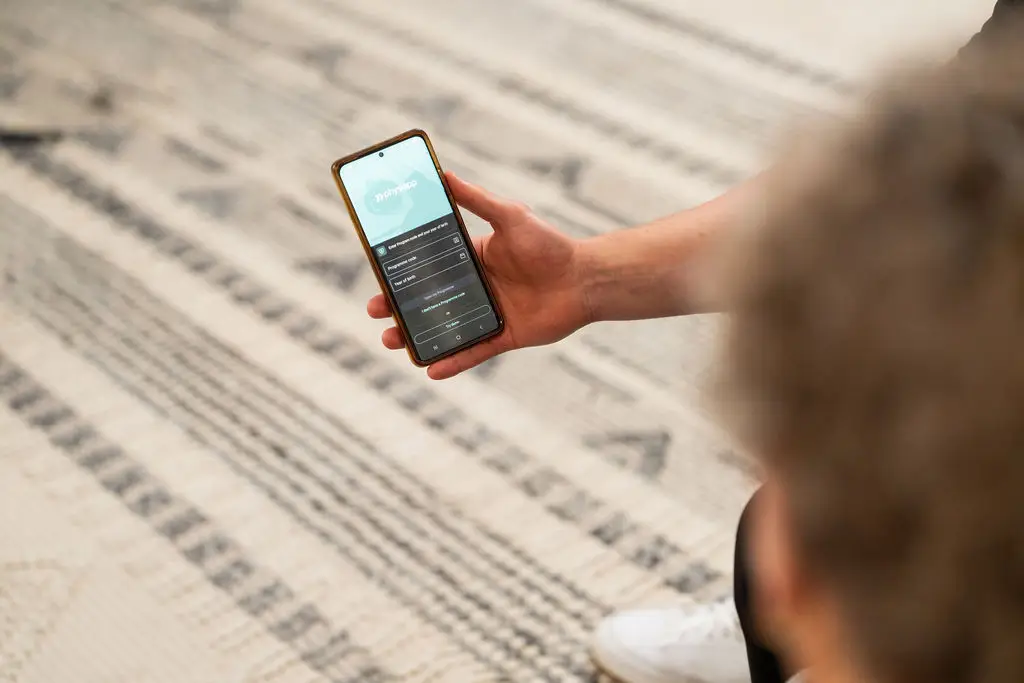
You or your chosen referrer can use online referrals to share the care request and relevant information.
07Preparing for the first visit
Choose a few examples of activities that are difficult and explain what usually happens. Include what your child likes and what already works. You do not need to create a perfect playroom or buy new materials.
Have relevant reports and familiar items available. Tell the clinician if your child communicates through pictures, signs, a device or another method. The assessment should make space for that communication rather than relying only on spoken answers.



 Corey BiczoManaging Director and Co-FounderRead profile
 Stephen BrushDirector and FounderRead profile
 Amita ChandClinical and Risk ManagerRead profile
 Alana Di MartinoPhysiotherapist with over 10 years' experienceRead profile