Occupational therapy

Daily living skills are the tasks that keep your day moving, from getting dressed to preparing lunch or organising an outing. When those tasks become difficult, small adjustments can be worth exploring.

Healthproof offers daily living skills occupational therapy in Sydney, with appointments also discussed for Melbourne. Visits focus on what you want to do and the help you prefer, at home or in agreed community settings. Independence is one possible goal; comfort, choice and supported participation matter too.

Prefer to talk? Call (02) 9188 6442

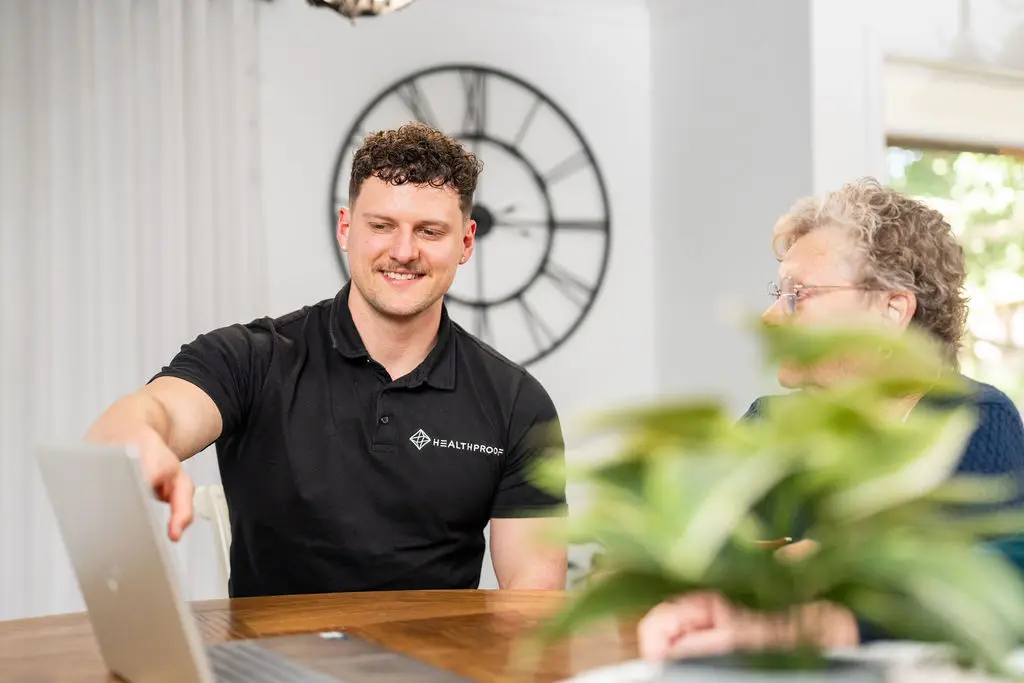
A Healthproof occupational therapy home visit

Who daily living skills occupational therapy in Sydney may suit

Occupational therapy may be relevant when disability, illness, injury or changing function affects everyday activities. You may want help with personal care, meal preparation, household tasks, routines or getting out into the community. The concern can be practical even when there is no simple label for it.

Some people want to learn a task. Others want to keep doing it with less effort or a different kind of assistance. The OT should understand your priorities before suggesting a program.

Looking at the whole activity

The OT asks you to describe or demonstrate an activity with your consent. They consider the steps involved, the environment and the support available. Movement, fatigue, pain, memory, planning or sensory needs may be relevant to the task.

Assessment should include what happens before and after the visible activity. Preparing to shower, finding clothes or recovering from an outing may require support that is easy to overlook. Explain where the routine tends to become difficult.

You can decide which personal activities you are comfortable discussing or demonstrating. Privacy, dignity and informed consent remain important during a home appointment.

Practical strategies that fit your day

Options for the plan include breaking a task into manageable steps, changing its order, adapting equipment or practising a specific skill. Written or visual prompts may be useful for some people. Recommendations should reflect the person’s preferences and abilities.

The OT can explore ways to organise frequently used items, manage effort or make support more consistent. A strategy should be tested in the real routine rather than assumed to work because it sounds simple.

Practice can involve family members or support workers with your agreement. The plan should explain how much help is appropriate and how to review it. Doing everything for someone and leaving them without needed support are both issues worth discussing.

Choosing the right OT pathway

If the difficulty relates mainly to equipment, assistive technology assessment may be useful. Structural barriers may need home modification assessment. A broader report about support needs may require an FCA.

Daily living therapy focuses on working with activities and routines. It is not the same service as ongoing personal care or domestic assistance. The OT can discuss where those supports interact with the therapy plan.

Why a home visit can be useful

The OT can look at a task where you normally complete it, using your usual equipment and surroundings. You can show which step becomes difficult rather than describing the whole routine from memory.

A home appointment also includes the practical limits of time, space and assistance. This helps the discussion focus on changes and practice that relate to your everyday priorities.

Funding and referral options

NDIS-funded OT must address eligible disability related skills and participation needs. The plan, purpose and available budget need to support the proposed service. Therapy does not automatically include worker support or equipment costs.

Eligible older people can ask about approved OT through Support at Home or CHSP. Medicare, DVA, insurers and private payment have different arrangements. Confirm the referral, assessment, travel and report fees before booking.

You or your chosen referrer can use online referrals to share the care request and relevant information.

Bring an ordinary day into the discussion

Choose one or two activities you would like to work on first. Explain when they happen, who helps and what makes them difficult. A routine that looks straightforward to someone else may take considerable effort for you.

Have any existing equipment, visual schedules or relevant reports available. Tell the team about communication preferences and whether someone will join you. You do not need to tidy away every sign of how the household normally works.

Reviewing whether the approach helps

Review should return to the original task. Is it easier to start, less tiring, more comfortable or more consistent? Has the level of assistance changed in a way you want?

If a strategy is awkward or does not fit your life, say so. The plan may need adjustment, another approach or input from a different professional. The aim is a useful routine you can actually follow.


How Our Mobile Health Services Work

Seamless In-Home Care Tailored to Your Needs

01.
Schedule Your Initial Consultation

Contact us to arrange a session with our allied health professionals. We’ll discuss your health concerns, goals, and medical history.

02.
Develop a Personalised Care Plan

Based on your initial assessment, we designed a custom therapy plan to enhance mobility, independence, and recovery.

03.
Start Receiving Therapy at Home

Our health professionals visit your home to provide ongoing therapy and support, focusing on your unique care plan.

04.
Continuous Monitoring and Adjustments

We track your progress regularly, adjusting your therapy to ensure optimal results and continuous improvement.

Where appointments are available

Appointments can be discussed for Greater Sydney and Melbourne. The team confirms the clinician, setting and availability for your needs.

This service is part of our mobile occupational therapy care.

Western Sydney, Sydney CBD, South West Sydney, North Sydney, Canterbury Bankstown, Northern Beaches, Sutherland Shire, Hornsby, Hills District, Campbelltown and Macarthur, Sydney Inner West, Wollondilly, Sydney Eastern Suburbs, and Melbourne.

NDIS Registered Provider

As a registered NDIS provider, Healthproof brings extensive experience

At Healthproof, we’re proud NDIS providers with lots of experience helping people with disabilities and complex needs. Our mission is to help improve the independence, mobility, well-being, quality of life and comfort of patients with disabilities by providing them access to quality healthcare services.

Your questions answered

Will the OT do household tasks for me?

Occupational therapy assesses tasks and may help you practise or adapt them. It is different from an ongoing cleaning, domestic assistance or personal care service. The team can clarify the purpose of the appointment.

Can the goal be keeping support rather than reducing it?

Yes, goals should reflect your preferences and assessed needs. Safe, comfortable and meaningful participation may involve continued assistance. Less support is not automatically the right outcome for every person.

Can a support worker join the session?

With your consent, this may help the plan carry into daily routines. The OT should explain the agreed strategies and the support worker’s role. Additional training or separate services may need their own arrangements.

What if I find many tasks difficult?

Start by explaining the activities that matter most or create the greatest difficulty. The OT can help prioritise assessment and discuss whether a broader functional assessment or other professional input is appropriate.

The team behind your care

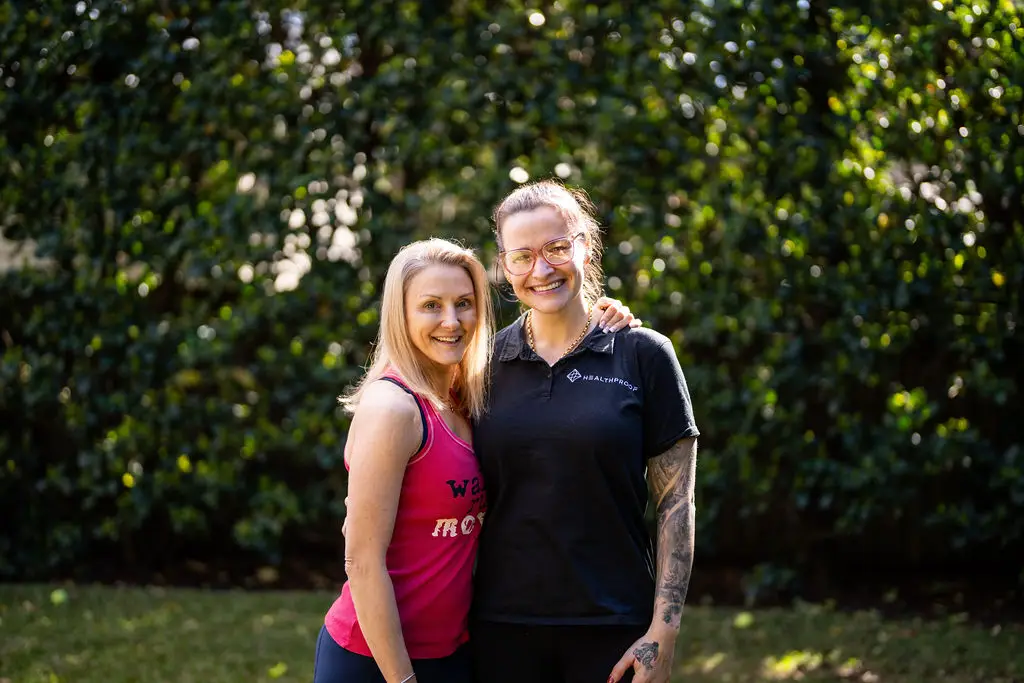
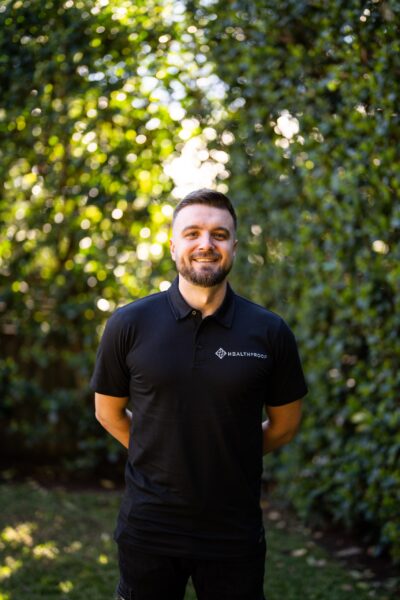
Meet some of the people who lead Healthproof's clinical services.

We work with

  • NDIS
  • Medicare
  • Department of Veterans' Affairs
  • icare NSW
  • HCF
  • Bupa
  • Karista

Talk with Healthproof

Tell Healthproof which daily activity you would like to make more manageable. The team can discuss a mobile OT appointment that fits your goals and circumstances.

Call (02) 9188 6442 or use Enquire Now or Make A Referral.