01Understanding the condition and the person
The exercise physiologist asks about medical history, recent changes, medicines and previous exercise experience. They may need information from your treating team. Fatigue, heat sensitivity, communication and cognition may be relevant depending on the condition.
Assessment considers strength, endurance, balance and selected functional tasks. Activities should be adapted to your abilities and the support available. The clinician needs to understand differences between a better day and a more difficult one.
The home setup matters too. Transfers, space, equipment and assistance can determine whether a proposed activity is practical. The plan should not assume you have access to a gym or another person at all times.
02Neurological strength and conditioning
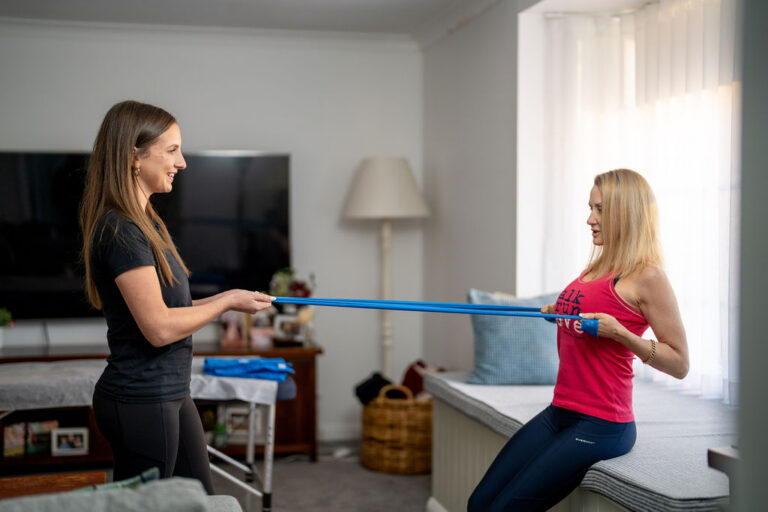
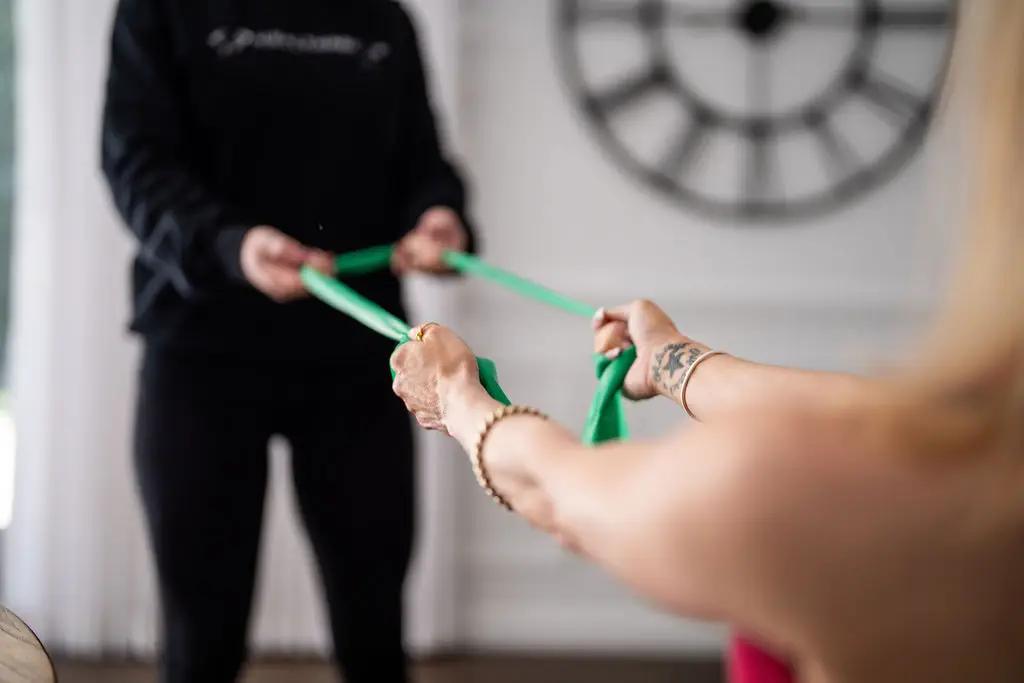
Program options include aerobic, resistance, balance or functional exercise when needed. The clinician should explain the reason for each component and how effort will be monitored. Progression needs to consider your response and relevant medical advice.
Fatigue should be discussed rather than treated as a lack of motivation. The timing, type or amount of activity may need adjustment. New or unusual fatigue can also require medical assessment rather than an automatic exercise change.
The plan may include options for different circumstances, agreed with your clinician. You should know when to pause and contact the clinician. Exercise is not a cure for a neurological condition or a replacement for medical treatment.
03Exercise physiology and neurological physiotherapy
Neurological physiotherapy focuses on movement assessment, positioning, transfers and functional rehabilitation. Exercise physiology emphasises an assessed exercise routine, capacity and endurance. The roles can overlap.
A new transfer difficulty or marked change in movement may need physiotherapy or medical assessment. Ongoing exercise goals may suit exercise physiology once the necessary risks and supports are understood. Coordination helps keep the advice consistent.
04Involving carers and other clinicians
With your consent, a family member or support worker may learn the assistance required for agreed activities. The exercise physiologist should clarify what can be supported between sessions and what needs professional supervision.
OT may be relevant if equipment or daily routines limit participation. Speech pathology may help where communication needs affect instructions or choices. Your preferred communication method should remain available during exercise sessions.
05Why a home visit can be useful
A home visit lets you explain how your neurological condition affects activity across an ordinary day. The clinician can see the available space, equipment and support before discussing an exercise routine.
Timing, fatigue and communication preferences can be considered in that familiar setting. A chosen worker or relative can hear the plan, with practice and supervision agreed around your assessed needs.
06Funding and referral pathways
NDIS neurological exercise physiology needs an eligible disability related purpose and must fit the participant’s plan. Medical rehabilitation and general health treatment can have separate funding responsibilities.
Ask about eligible Medicare, DVA or private health insurance, or private payment. Approved older-person allied health may be available through Support at Home or CHSP. A neurological diagnosis alone does not establish coverage, so confirm eligibility, the referral and all proposed fees.
You or your chosen referrer can use online referrals to share the care request and relevant information.
07Preparing for assessment
Have relevant medical information and any existing exercise or rehabilitation plan available. Tell the team about mobility aids, transfer assistance and changes in symptoms. Explain the time of day and conditions that usually suit you.
There is no need to exhaust yourself demonstrating what you can do. The assessment should establish a realistic starting point and identify what further information is needed before progressing activity.
08Reviewing participation as well as exercise
Progress may involve completing a routine more consistently, managing an activity with less difficulty or finding a form of exercise you enjoy. The measures should connect to your original goals.
If the plan becomes burdensome or symptoms change, discuss it. Adjusting the approach is part of individual care. Sudden neurological changes require urgent medical assessment rather than waiting for the next exercise session.



 Corey BiczoManaging Director and Co-FounderRead profile
 Stephen BrushDirector and FounderRead profile
 Amita ChandClinical and Risk ManagerRead profile
 Alana Di MartinoPhysiotherapist with over 10 years' experienceRead profile