01Agreeing on the purpose first
Before booking, clarify who needs the report and what questions it must answer. There may be a plan review, a change in circumstances or another reason for requesting updated information. A general assessment may not answer a highly specific funding or legal question.
Healthproof needs to understand the required scope, available records and whether other people should contribute. Assessment and report writing may involve separate time and fees. Ask what is included and how any additional work will be agreed.
A deadline should be discussed early. Report completion depends on the scope and information available, so a particular turnaround should not be assumed.
02What the assessment may involve
The OT may use interviews, observation of everyday activities, relevant records and standardised tools when needed. They discuss personal care, mobility, communication as it affects participation, routines and community activities. Not every domain needs the same level of investigation.
The assessment should consider how fatigue, pain, the environment and available support affect performance. Being able to do something once does not necessarily mean you can repeat it reliably. Explain the difference between a better day and a difficult one.
With your consent, family members, support workers or other clinicians may provide information. Their contributions should be identified clearly, alongside your own account and the OT’s observations.
03What a useful report should explain
A report should state its purpose, information sources, assessment findings and relevant limitations. Recommendations need reasons that connect them to your functional needs and goals. The OT may identify where further assessment or another discipline’s input is needed.
The report should not present unobserved information as a direct observation. If a task was not assessed, that limitation matters. Clear distinctions help the reader understand the strength and scope of the evidence.
You can ask how the report will be shared and whether you can clarify factual details. A request to correct an error is different from asking the clinician to guarantee a particular recommendation.
04FCA or a more specific OT assessment?
An FCA provides a broader picture of everyday function. Home modification assessment investigates changes to the building. Assistive technology assessment examines equipment needs.
An FCA may identify that one of those assessments is needed without completing it in full. Clarifying the question first can prevent paying for a broad report when a more focused assessment is required.
05Why a home visit can be useful
Daily function can be easier to explain in the setting where routines happen. At home, you can show the OT relevant activities and describe the assistance that is easy to overlook elsewhere.
A chosen support person can add context with your consent. The assessment can then draw on your account, observations and records, within the agreed scope of the report.
06Funding and fees
An NDIS functional capacity assessment must fit the participant’s plan and current requirements. Confirm the purpose, budget and service agreement before proceeding. An NDIS FCA report provides evidence; it does not guarantee approval of the supports it recommends.
Private payment or another approved arrangement can be discussed for the request. Medicare, aged care or insurer coverage should not be assumed for a detailed FCA. Ask for the scope, assessment time, travel, report writing and any additional liaison costs to be explained beforehand.
You or your chosen referrer can use online referrals to share the care request and relevant information.
07How to prepare without rehearsing
Collect relevant reports, support schedules and the reason the assessment was requested. Think about ordinary tasks that need help, including the preparation or recovery time others might not see. You do not need to change how you normally manage tasks.
Tell the team about communication preferences, interpreter needs and who you want involved. The appointment should make space for your perspective and accurately reflect your usual circumstances.


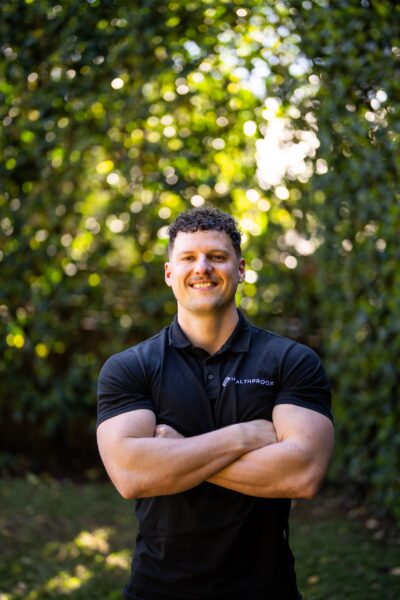 Corey BiczoManaging Director and Co-FounderRead profile
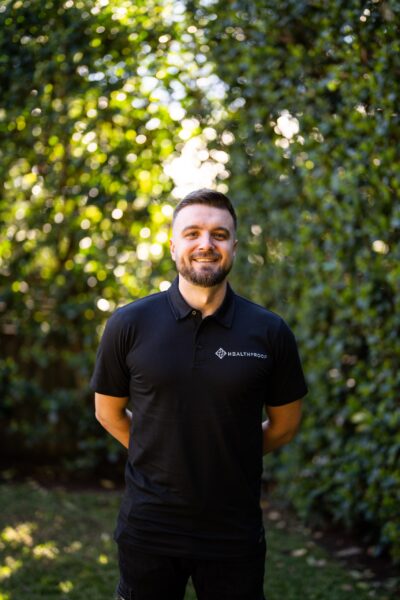 Stephen BrushDirector and FounderRead profile
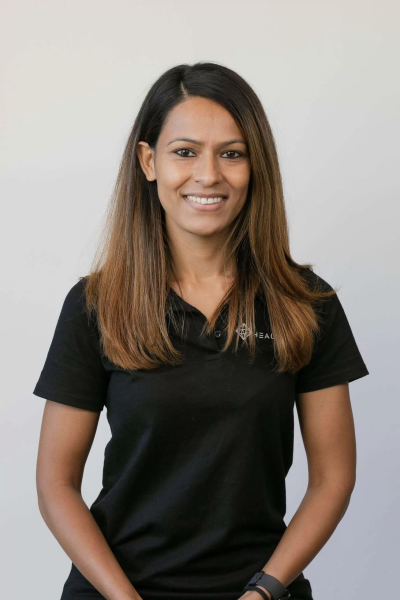 Amita ChandClinical and Risk ManagerRead profile
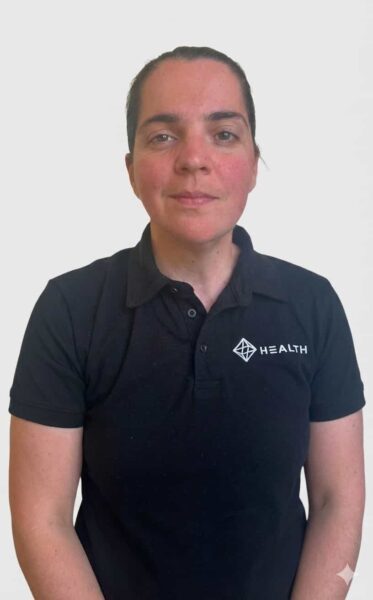 Alana Di MartinoPhysiotherapist with over 10 years' experienceRead profile