01Seating and positioning assessment
The clinician asks how long and where you sit, which activities matter and how you move into and out of the equipment. They may consider posture, movement, support needs and the assistance provided by others. Relevant medical information and existing pressure care advice are important.
A mobility equipment assessment can include measurements and observation of the current setup. The OT can look at positioning, access to controls, transfers and the space needed to move through the home. A carer’s handling requirements may also be relevant with your consent.
Community use adds further questions, such as surfaces, transport and storage. These should be discussed rather than assuming equipment that fits indoors will work everywhere.
02Wheelchair prescription and trials
A recommendation may involve adjustment, a different seating component or assessment for new equipment. The options based on assessment depend on the findings. Complex needs may require a supplier, physiotherapist, specialist seating service or other clinician.
Trials can help examine comfort and function, but their availability and duration need confirmation. Consider the activities the equipment must support, rather than judging a trial only by how the chair feels for a few minutes.
The OT should explain the purpose of the proposed features, relevant risks and any limitations. Purchase, delivery, setup and training may be separate stages. A written recommendation does not guarantee funding or immediate supply.
03Pressure care and ongoing review
Seating can be one part of a pressure care plan, but no cushion or wheelchair removes every risk. Skin health, time in a position, movement, assistance and medical conditions may all matter. Individual advice should come from the relevant clinical team.
Tell your clinician about new discomfort, persistent redness or skin changes. Do not rely on a product description as a substitute for assessment. Significant or worsening skin problems require prompt medical or nursing advice.
Equipment may need review when your body, daily routine, support or environment changes. A once suitable setup can become less appropriate over time.
04Related OT services
Assistive technology assessment covers the broader equipment pathway. Home modification assessment may be relevant if doorways, bathroom space or access routes restrict equipment use.
Physiotherapy may contribute to movement and transfer goals. Where several services are involved, their responsibilities and information sharing should be agreed.
05Why a home visit can be useful
A chair or wheelchair needs to work within the spaces where it is used. A home assessment lets the OT consider furniture, movement routes and the assistance available around the current setup.
You can explain comfort and practical concerns across an ordinary day. A chosen carer can add handling information, while equipment trials and any purchase remain separate parts of the process.
06Funding and costs
An NDIS wheelchair assessment may need clinical evidence, trials and quotations. Approval for assessment does not automatically approve a chair or wheelchair purchase. Establish the applicable requirements before relying on reimbursement.
Eligible older people can discuss equipment pathways through Support at Home or CHSP. Other arrangements or private payment can also be considered. Confirm assessment and report fees with Healthproof, and trial, delivery, maintenance and training costs with suppliers.
You or your chosen referrer can use online referrals to share the care request and relevant information.
07Preparing for the assessment
Keep your current chair, cushion and wheelchair accessories available. Provide existing equipment reports and explain any recent changes in comfort or function. Tell the team how transfers are usually managed and whether assistance will be present.
Think about the places you want to use the equipment, including transport. Your preferences about appearance, handling and daily convenience are legitimate parts of the discussion. The recommendation needs to fit your life as well as the measurements.



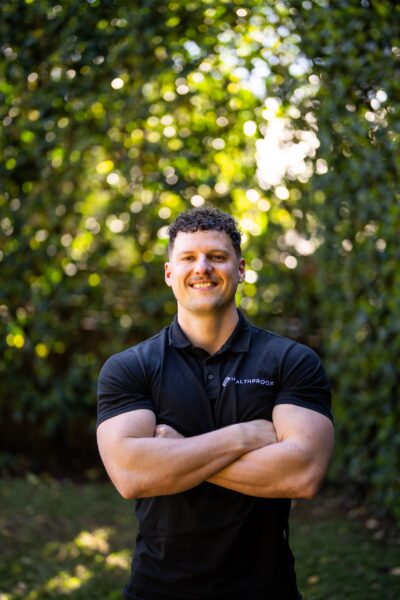 Corey BiczoManaging Director and Co-FounderRead profile
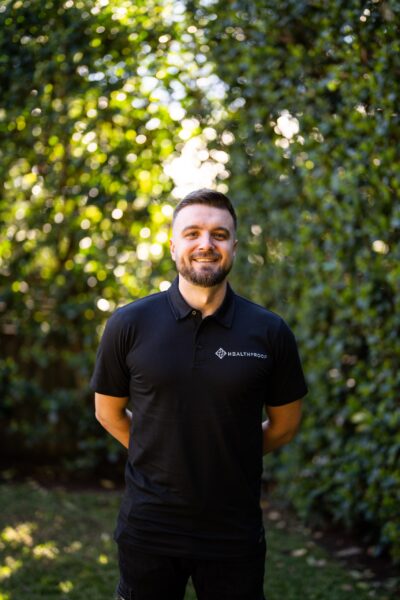 Stephen BrushDirector and FounderRead profile
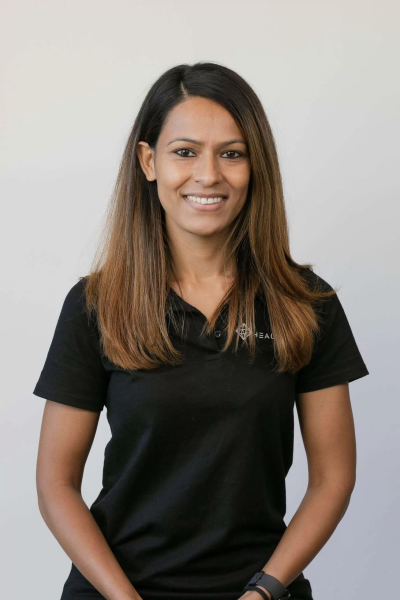 Amita ChandClinical and Risk ManagerRead profile
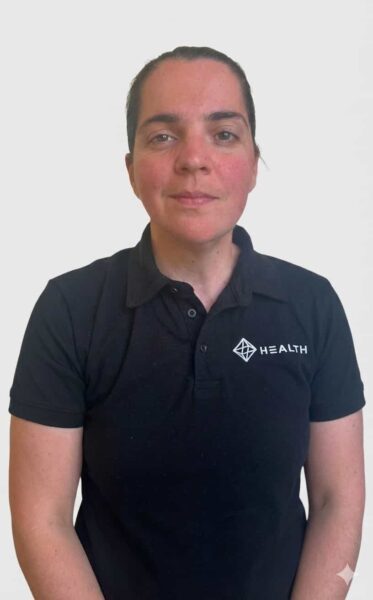 Alana Di MartinoPhysiotherapist with over 10 years' experienceRead profile