Physiotherapy

Getting out of bed, turning in a hallway or reaching the front door can take more planning when a neurological condition affects movement. Neurological physiotherapy in Sydney looks at those everyday tasks and the support you need to manage them.

Healthproof brings mobile neurological physiotherapy to homes and agreed community settings across Greater Sydney and Melbourne. Your goals might involve walking, changing position, using an aid or making a daily routine more manageable. The starting point is what matters to you.

Prefer to talk? Call (02) 9188 6442

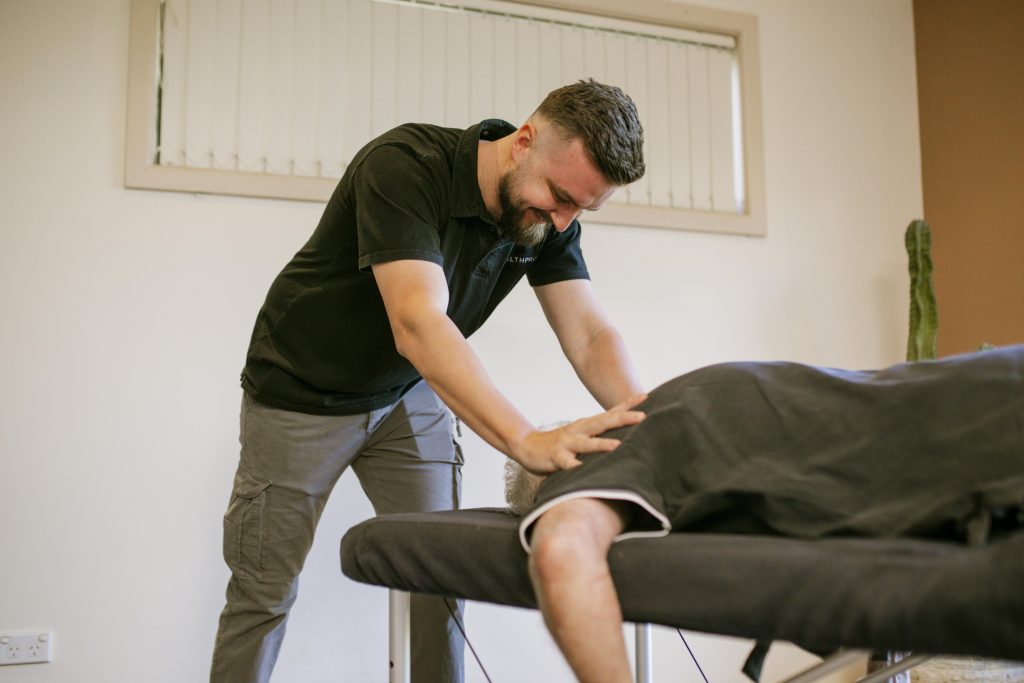
A Healthproof physiotherapy home visit

Who neurological physiotherapy in Sydney may suit

This service may suit people whose movement has changed after a stroke, brain injury or another neurological diagnosis. Physiotherapy for Parkinson’s disease or multiple sclerosis may also be considered, based on assessed movement needs. A diagnosis alone does not determine the treatment plan.

You might want to move between bed and chair, manage fatigue during a morning routine or feel more confident using your walking aid. Some people want to maintain a familiar activity as their needs change. A family member or support worker may need clearer instructions about assisting safely.

For injury-specific care, see stroke rehabilitation physiotherapy or traumatic brain injury physiotherapy. These pages explain movement support within those rehabilitation pathways.

What the assessment covers

The physiotherapist asks about your medical history, recent changes, current supports and the activities you want to work on. Bring hospital discharge information or instructions from your treating team if you have them. Let the clinician know about falls, dizziness, pain or changes in medication.

Assessment options include observing transfers, walking, balance, strength, coordination and how your movement changes with fatigue. The clinician checks how much room you have around furniture and whether equipment fits the task. Activities are selected around your abilities, consent and safety.

There is time to explain what happens on difficult days. A task completed once during an appointment may not reflect what you can comfortably repeat throughout the day.

Planning your care

Physiotherapy for neurological conditions can include movement practice, selected exercise, positioning advice and education for the people supporting you. Practice could focus on standing from your usual chair, turning safely or using a mobility aid within your home. The physiotherapist should explain the purpose of each activity and how it relates to your goal.

The plan should also explain what you can practise between appointments, what assistance is needed and when an activity should stop. Recommendations may change if your health, fatigue or support arrangements change. Progress is reviewed against meaningful tasks rather than a promise of a particular recovery.

With your consent, the physiotherapist can coordinate with your doctor, occupational therapist, speech pathologist or exercise physiologist. Equipment, home modifications and communication needs may require separate assessment.

Physiotherapy or exercise physiology?

Neurological physiotherapy focuses on movement assessment, transfers, positioning and functional movement practice. Exercise physiology for neurological conditions focuses on an assessed exercise routine, physical capacity and endurance.

Their roles can overlap. The choice depends on your needs, medical stability and the clinician’s assessment. Some people benefit from coordinated input rather than choosing one service permanently.

Why a home visit can be useful

Neurological rehabilitation at home lets the physiotherapist assess movement around your usual chair, hallway and walking aid. The clinician can see where movement becomes difficult and how your support person normally assists.

A home visit also removes travel to that session. You can use the time to discuss fatigue, difficult moments in the day and the tasks you want the plan to address.

Funding and referral considerations

NDIS neurological physiotherapy must address eligible disability support needs and fit your plan. Acute treatment and rehabilitation can be the health system’s responsibility. For older people, ask the care provider about approved allied health through Support at Home or CHSP.

Other options include eligible Medicare, DVA and private health insurance arrangements, or private payment. Confirm the appointment, travel and report costs before booking. Equipment has separate approval and payment requirements.

You or your chosen referrer can use online referrals to share the care request and relevant information.

Preparing for a visit

Have your usual walking aid, footwear and relevant reports available. Tell the team about entry steps, transfer assistance and communication preferences. If fatigue varies during the day, explain when you generally find conversation and movement easier.

You can choose whether a family member or support worker participates. Their observations may help, but the discussion should still include you. There is no need to demonstrate a difficult transfer before the clinician has assessed whether it is safe.

How Our Mobile Health Services Work

Seamless In-Home Care Tailored to Your Needs

01.
Schedule Your Initial Consultation

Contact us to arrange a session with our allied health professionals. We’ll discuss your health concerns, goals, and medical history.

02.
Develop a Personalised Care Plan

Based on your initial assessment, we designed a custom therapy plan to enhance mobility, independence, and recovery.

03.
Start Receiving Therapy at Home

Our health professionals visit your home to provide ongoing therapy and support, focusing on your unique care plan.

04.
Continuous Monitoring and Adjustments

We track your progress regularly, adjusting your therapy to ensure optimal results and continuous improvement.

Where appointments are available

This service is part of Healthproof’s mobile physiotherapy care.

Home and community appointments are available across Greater Sydney and Melbourne, with the setting and clinician confirmed for your needs.

Western Sydney, Sydney CBD, South West Sydney, North Sydney, Canterbury Bankstown, Northern Beaches, Sutherland Shire, Hornsby, Hills District, Campbelltown and Macarthur, Sydney Inner West, Wollondilly, Sydney Eastern Suburbs, and Melbourne.

NDIS Registered Provider

As a registered NDIS provider, Healthproof brings extensive experience

At Healthproof, we’re proud NDIS providers with lots of experience helping people with disabilities and complex needs. Our mission is to help improve the independence, mobility, well-being, quality of life and comfort of patients with disabilities by providing them access to quality healthcare services.

Your questions answered

Do I need to walk independently to have an assessment?

No. The assessment can focus on supported movement, positioning or transfers. Explain the assistance you usually need when enquiring so the team can consider the relevant clinician and setting.

Can physiotherapy reverse my neurological condition?

Physiotherapy does not promise to reverse a neurological diagnosis. The focus is on assessed movement needs, practical goals and support for your needs. What is achievable depends on your circumstances and may change over time.

Can my support worker learn the exercises?

With your consent, a support worker may join the discussion and learn the agreed assistance. The clinician should clarify which activities can be supported between appointments and which require professional supervision.

What if my symptoms suddenly change?

Sudden facial drooping, arm weakness or speech difficulty can be signs of stroke. Call 000 immediately. New or rapidly worsening neurological symptoms need medical assessment rather than waiting for a routine physiotherapy appointment.

The team behind your care

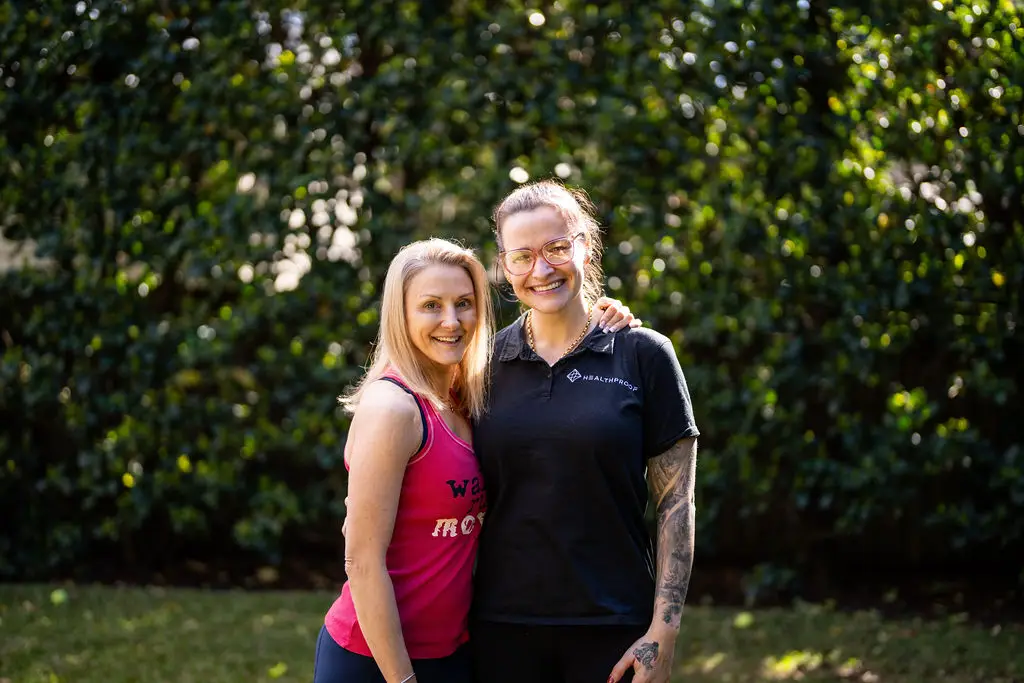
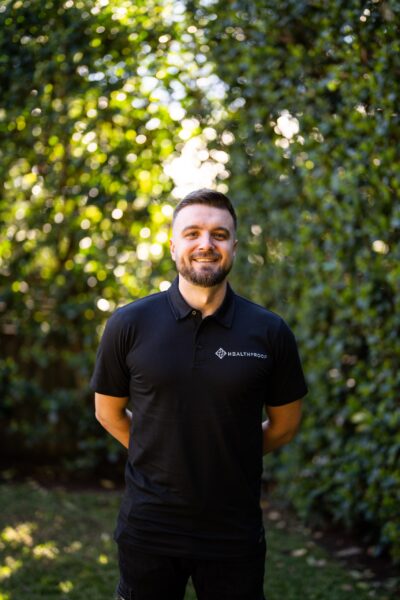
Meet some of the people who lead Healthproof's clinical services.

We work with

  • NDIS
  • Medicare
  • Department of Veterans' Affairs
  • icare NSW
  • HCF
  • Bupa
  • Karista

Talk with Healthproof

Tell Healthproof which movements are difficult and what you would like to work towards. Include your location and current supports so the team can discuss an assessment.

Call (02) 9188 6442 or use Enquire Now or Make A Referral.