01What AAC assessment in Sydney explores
The speech pathologist asks how the person communicates now and what works with familiar or unfamiliar people. They may consider understanding, language, literacy, vision, hearing and physical access as relevant. Communication partners can contribute with consent.
The assessment should include the person’s own preferences in an accessible form. A system is less useful if it is difficult to reach, tiring to operate or unavailable when needed. Practical details deserve attention from the start.
The clinician can observe communication during a routine or trial selected options. More than one appointment or professional may be needed for a complex request.
02Communication device assessment and other AAC tools
AAC can involve non electronic tools such as picture boards, written choices or communication books. A speech generating device assessment explores tools or apps that produce spoken messages. Gestures and other existing methods may remain part of the approach.
One system rarely answers every situation. Assistive communication technology may work alongside other methods at home or outside. A backup option can be important when technology is unavailable.
The clinician should explain why particular options are being considered and what a trial is intended to show. The most expensive or newest device is not automatically the most appropriate choice.
03Learning to use AAC in daily life
AAC implementation means putting the chosen supports into daily life. That may include selecting relevant vocabulary, arranging access and helping communication partners respond consistently. The person needs opportunities to communicate for their own purposes.
Support should not rely on withholding the system until a task is completed. Communication equipment should be available for communication, including saying no or asking for a break. Our social communication service also considers interactions and participation.
Review can consider whether the person can express useful messages, access the system comfortably and use it across meaningful situations. Difficulties may indicate that the setup or support needs adjustment.
04When occupational therapy contributes
An occupational therapist may help assess physical access, mounting, positioning or other equipment needs. See assistive technology assessment for the broader equipment pathway. Speech pathology focuses on communication and language needs.
Complex access may require additional technical or specialist input. Clear coordination helps prevent selecting a communication system that the person cannot comfortably operate in their usual environment.
05Why a home visit can be useful
Support needs to work during real choices and conversations. A home appointment lets the clinician see existing tools and discuss when the person wants to communicate, with whom and for what purpose.
A chosen supporter can explain practical barriers such as positioning, access or setup. This can clarify a trial’s purpose before equipment and funding decisions.
06Funding assessment and equipment
For NDIS-funded AAC, the service must meet eligible disability-related communication needs and the applicable funding criteria. Assessment, devices, software, accessories and training need separate consideration. Evidence and approval requirements depend on the item and circumstances.
Other approved funding or private payment can be discussed. Ask Healthproof about the assessment and report scope, and confirm trial or product costs with the relevant supplier. A therapy budget should not be treated as automatic authorisation to purchase a device.
You or your chosen referrer can use online referrals to share the care request and relevant information.
07What to prepare
Bring any existing communication aids, devices, apps or reports to the discussion. Explain what is used successfully and what is abandoned or difficult. Include the people and settings where communication matters most.
Tell the team about language preferences, physical access, vision and hearing needs. If the person already uses a system, keep it available during assessment. Their established communication should remain part of the conversation while other options are explored.
08Setting realistic expectations
AAC assessment matches needs, options and support. A device alone does not create an effective communication environment. Learning, partner support and practical access can take ongoing attention.
The clinician should explain the proposed stages and review points. Each trial or recommendation needs a clear purpose, with room to change direction if an option does not fit.



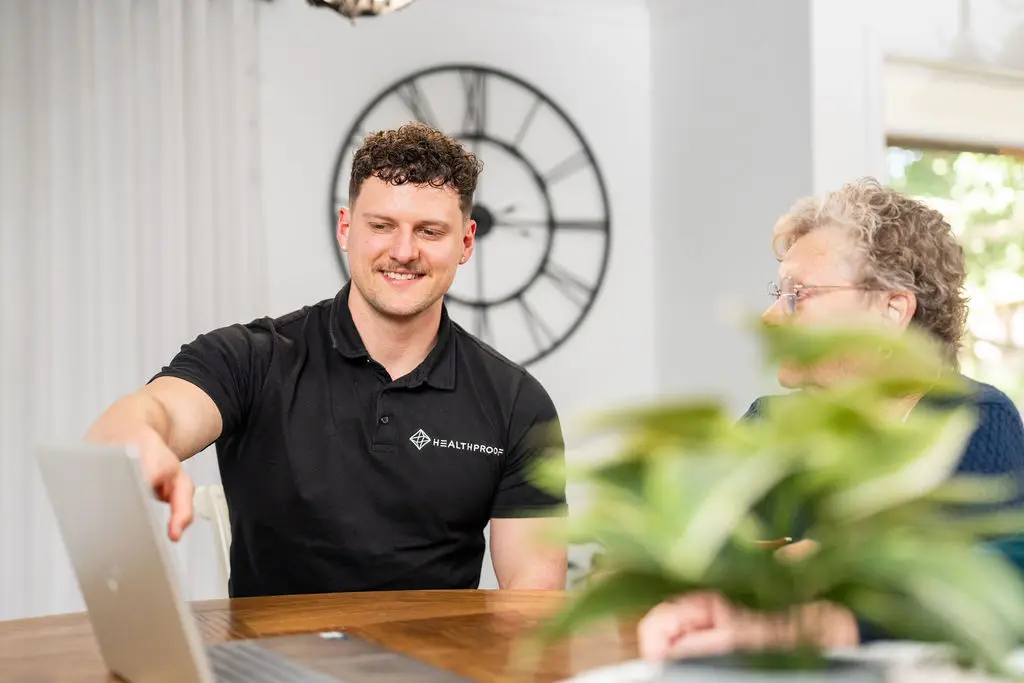



 Corey BiczoManaging Director and Co-FounderRead profile
 Stephen BrushDirector and FounderRead profile
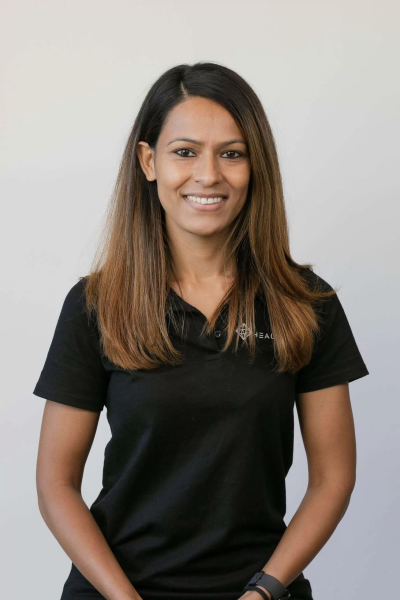 Amita ChandClinical and Risk ManagerRead profile
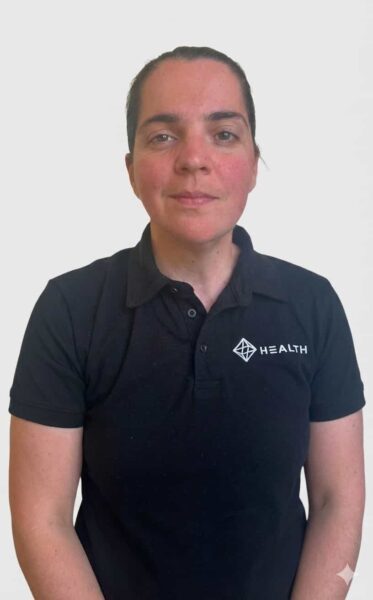 Alana Di MartinoPhysiotherapist with over 10 years' experienceRead profile