- Home
- Mobile Health Services
- Speech Pathology
- Paediatric Speech Pathology
You know many of the ways your child communicates, including the gestures, sounds or expressions that others may miss. Paediatric speech pathology in Sydney builds on that knowledge while exploring concerns about speech or language.
Healthproof offers mobile paediatric speech pathology across Greater Sydney and Melbourne, subject to age, needs and clinician suitability. The focus is on communication that matters in your child’s life. Home, play and family routines can provide useful starting points for assessment and support.
Prefer to talk? Call (02) 9188 6442

What paediatric speech pathology in Sydney can assess
Families may seek advice when a child is difficult to understand, struggles to follow language or finds it hard to express ideas. Concerns may also involve conversation, fluency or participation in daily routines. Our speech delay and language page explores early understanding and words.
Your child may already have a diagnosis or be attending without one. The clinician should consider development, medical history, hearing and the languages used around the child. Our speech sound and articulation page focuses on clarity and sound patterns.
Learning about your child’s communication
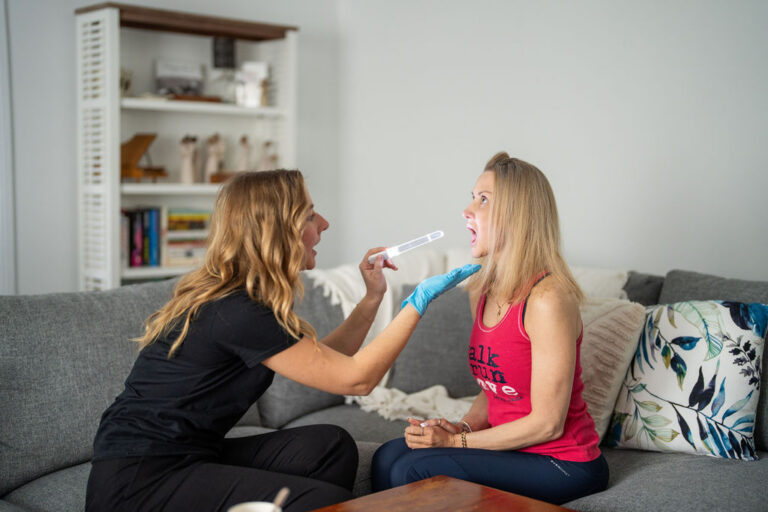
The speech pathologist asks what your child communicates successfully and which situations are difficult. They may use play, conversation, observation and selected assessment activities. Information from family members and educators can help when sharing is agreed.
Assessment considers speech sounds, understanding, vocabulary, sentence use or interaction, depending on the concern. The clinician should also notice how your child uses gestures, pictures or other supports. Communication is broader than the number of words spoken.
Let the team know about preferred activities, sensory needs and what helps your child settle. A quiet child in an unfamiliar situation may communicate differently during an ordinary day.
Practical support within family routines
Early childhood speech therapy can include direct work on skills and guidance for the adults around your child. Activities should connect to clear goals and be explained in everyday language. You should understand what to practise and why.
Speech therapy for toddlers and preschoolers may use play, books or familiar routines. It should be manageable for your household and respectful of your child’s interests. The clinician can help adjust the approach if it becomes stressful or difficult to maintain.
Review should look at communication in meaningful situations, not just performance during a therapy activity. Some goals may change as your child develops or school demands change.
Respecting different ways to communicate
Some children benefit from pictures, signs, communication boards or a device. These can support communication alongside speech or provide another way to express needs. AAC assessment can explore suitable options.
Therapy should not assume that eye contact or one social communication style is the goal for every child. Discuss what helps your child understand, express choices and participate comfortably. Their communication preferences deserve attention.
Planning school based speech therapy in Sydney
With your agreement, your paediatric speech therapist can communicate with educators or other clinicians. A school or childcare visit requires permission, access and a clear purpose. It is not automatically included in a home appointment.
Paediatric OT may contribute where routines or daily activities are difficult. Clear responsibilities help the family understand which clinician is addressing each goal.
Why a home visit can be useful
Parents can show the books, play and conversations that form part of the child’s usual day. A home assessment gives the speech pathologist context for the communication concerns raised by the family.
The discussion can include the child’s interests and how practice might fit ordinary routines. Parents can ask questions without needing to recreate the home environment in another appointment setting.
Funding children’s speech pathology
NDIS-funded speech pathology may apply for eligible disability-related communication needs where the service meets funding criteria. Medicare-supported services require the relevant eligibility and referral. Private health rebates may apply, subject to policy requirements; private payment is another option.
Confirm the proposed service before booking. Ask about assessment, travel, reports and any educator liaison fees. A referral does not automatically cover every activity, and any school or childcare visit needs the organisation’s agreement and the necessary consent.
You or your chosen referrer can use online referrals to share the care request and relevant information.
Information that helps the first appointment
Explain the concern in your own words and give examples of when it occurs. Include the languages your child hears and uses, any hearing assessments and relevant reports. Familiar communication aids or toys may be useful.
Tell the team your child’s age and preferred setting. If you want another person involved, discuss this beforehand. A few clear priorities can help the assessment stay connected to what matters most for your family.
How Our Mobile Health Services Work

01.
Schedule Your Initial Consultation
Contact us to arrange a session with our allied health professionals. We’ll discuss your health concerns, goals, and medical history.

02.
Develop a Personalised Care Plan
Based on your initial assessment, we designed a custom therapy plan to enhance mobility, independence, and recovery.

03.
Start Receiving Therapy at Home
Our health professionals visit your home to provide ongoing therapy and support, focusing on your unique care plan.

04.
Continuous Monitoring and Adjustments
We track your progress regularly, adjusting your therapy to ensure optimal results and continuous improvement.
Where appointments are available
Appointments can be discussed for Greater Sydney and Melbourne. The team confirms the clinician, setting and availability for your needs.
This service is part of our mobile speech pathology care.
Western Sydney, Sydney CBD, South West Sydney, North Sydney, Canterbury Bankstown, Northern Beaches, Sutherland Shire, Hornsby, Hills District, Campbelltown and Macarthur, Sydney Inner West, Wollondilly, Sydney Eastern Suburbs, and Melbourne.
NDIS Registered Provider
As a registered NDIS provider, Healthproof brings extensive experience
At Healthproof, we’re proud NDIS providers with lots of experience helping people with disabilities and complex needs. Our mission is to help improve the independence, mobility, well-being, quality of life and comfort of patients with disabilities by providing them access to quality healthcare services.
More speech pathology services
NDIS speech pathologyAged care speech pathologySpeech delay and language developmentSpeech sound disorders and articulationAutism and social communicationStuttering and fluencyAdult speech pathologyStroke and neurological communicationSwallowing and mealtime managementAugmentative and alternative communication (AAC)Telehealth speech pathologyVoice
Your questions answered
Should we stop speaking our home language?
Do not stop using a valued family language on the assumption that multilingualism causes a disorder. Tell the speech pathologist about all languages used so assessment and advice reflect your child’s communication environment.
Can we enquire before our child starts school?
Yes. Provide your child’s age and the concern so Healthproof can discuss clinician suitability and the assessment pathway. Early enquiries do not require you to know the cause of the difficulty.
Will my child have to sit at a table for the whole visit?
Assessment methods depend on your child and the question being explored. Play, observation and breaks may be appropriate. Tell the clinician what helps your child participate.
Can you promise my child will catch up?
No. Development and response to support vary. The clinician should explain the findings, reasonable goals and review plan without promising a particular milestone or timeframe.
The team behind your care
Meet some of the people who lead Healthproof's clinical services.
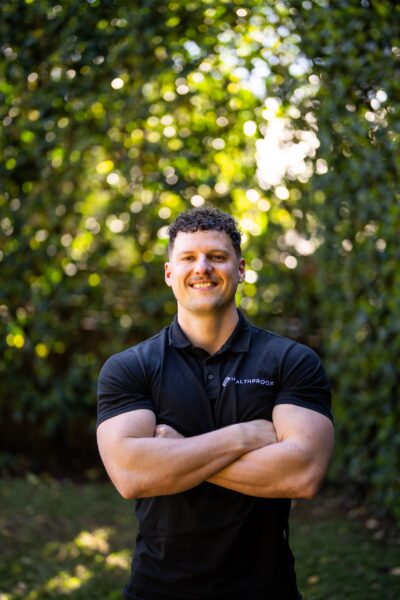
Corey BiczoManaging Director and Co-FounderRead profile
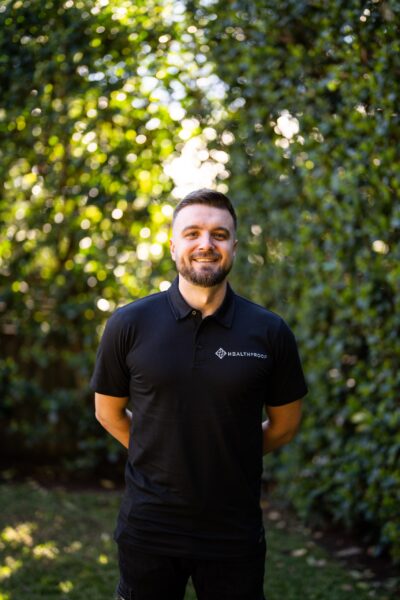
Stephen BrushDirector and FounderRead profile
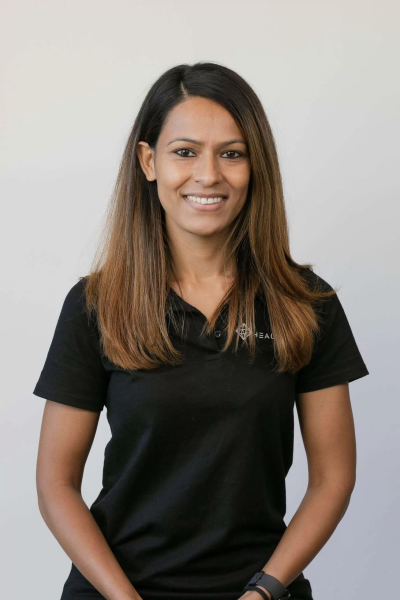
Amita ChandClinical and Risk ManagerRead profile
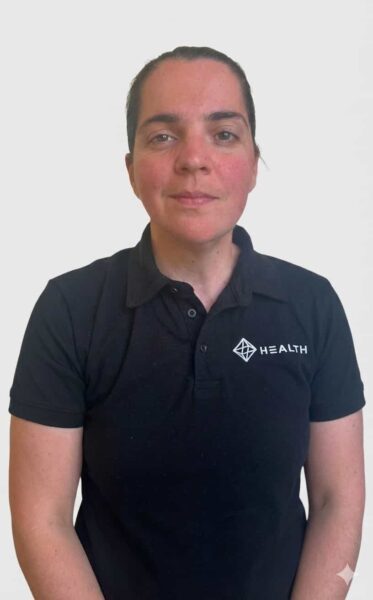
Alana Di MartinoPhysiotherapist with over 10 years' experienceRead profile
We work with
Talk with Healthproof
Tell Healthproof your child’s age, communication strengths and the situations you are concerned about. The team can discuss a speech pathology assessment.
Call (02) 9188 6442 or use Enquire Now or Make A Referral.