01Walking assessment and mobility needs
The clinician asks when your movement changed and how it affects daily activities. Relevant information includes pain, fatigue, falls, medical advice and the assistance you receive. They ask how performance changes over the course of a day.
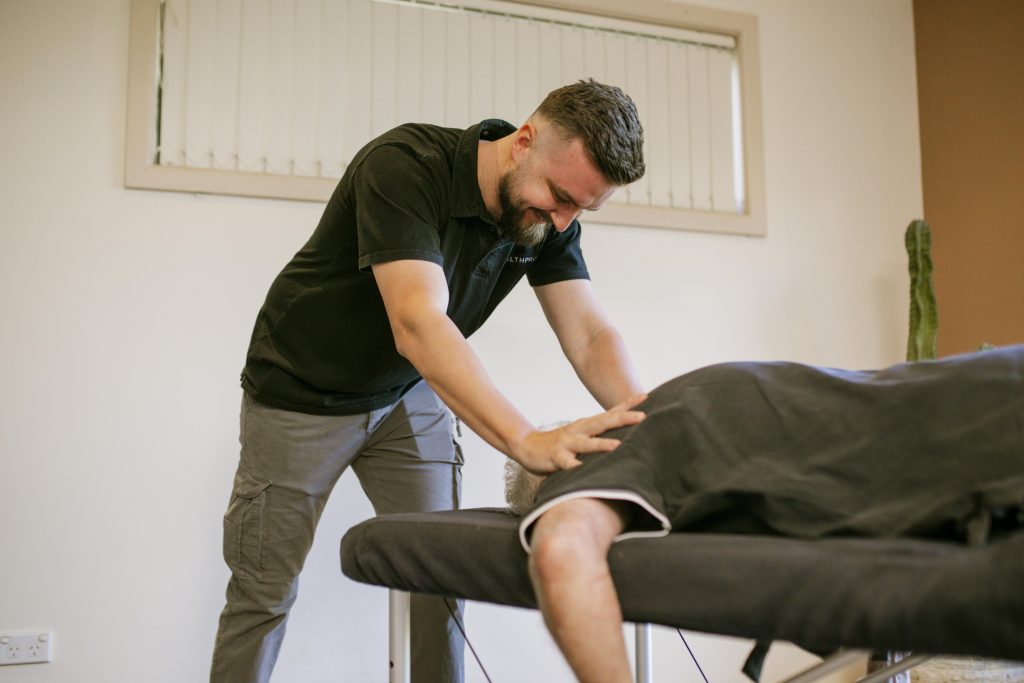
Assessment considers strength, joint movement, balance, walking pattern and transfers. The physiotherapist can observe starting, stopping, turning and negotiating an appropriate step. Any outdoor assessment depends on your ability, the conditions and a safe plan.
The home environment adds useful information. A walking aid may work differently in a narrow hallway than in an open room. Furniture height and the space needed to turn can affect how a task is managed.
02A plan for everyday movement
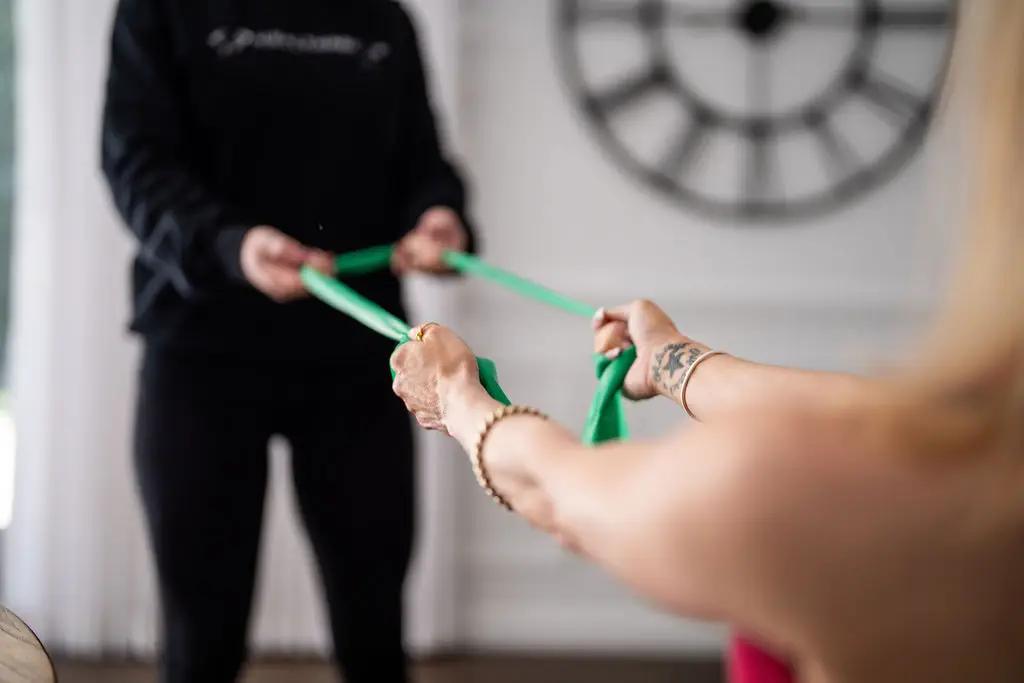
Walking rehabilitation physiotherapy may include task practice, selected exercise, gait training and advice about using mobility aids. The physiotherapist should demonstrate agreed activities and explain the support needed. Practice should be linked to your priorities rather than a generic distance target.
Transfer training may address moving between surfaces, while the wider plan considers task setup and pacing. A chosen carer can participate with your consent, particularly where consistent assistance matters. No one should attempt a transfer they have not been assessed or trained to assist with safely.
Review may look at the effort involved, confidence, assistance needed or ability to repeat a task. If symptoms or support needs change, the plan may need to change too. Equipment prescription can require additional assessment.
03Physiotherapy or a podiatry gait assessment?
Physiotherapy considers the wider movement pattern, including transfers and the contribution of the trunk, hips and knees. Podiatry gait and mobility assessment pays particular attention to the feet, footwear, skin and lower limb function. Both professions may assess walking.
If a shoe rubs or foot pain changes how you walk, podiatry may be relevant. If standing, turning and transfers are the main concern, physiotherapy may be a useful starting point. Some people need both.
04When equipment or the environment matters
An occupational therapist may be involved if seating, wheelchair use, bathroom access or modifications are central to the difficulty. See seating and wheelchair assessment for that pathway.
The clinician should discuss whether your existing setup can be adjusted before recommending new equipment. Recommendations need to consider your preferences, available space, support arrangements and funding. A product that suits another person may not suit your home.
05Why a home visit can be useful
Walking in an open room can differ from turning beside furniture or reaching a bathroom with an aid. A home visit lets the physiotherapist assess those everyday movements in their usual setting.
You can explain where fatigue or assistance changes the task. A chosen helper can attend and hear the agreed instructions, making the plan easier to relate to daily life.
06Funding your assessment
For NDIS participants, mobility support needs an eligible disability related purpose and appropriate plan arrangements. Approved allied health for older people can be discussed through Support at Home or CHSP.
Ask about private payment or eligible Medicare, DVA, private health insurance and compensable claim arrangements. Confirm referral requirements and the assessment, travel and report fees. Equipment recommendations and purchases have separate approval processes and are not automatically included in a funded consultation.
You or your chosen referrer can use online referrals to share the care request and relevant information.
07Preparing the space and information
Have your usual footwear and walking aids available. Tell the team about stairs, narrow access and the assistance you need when moving. A current medicine list and relevant hospital or medical reports may be useful.
Do not rearrange the whole home to make movement look easier. Seeing the usual setup can be informative. Simply explain any hazards or access concerns so the visit can be planned safely.

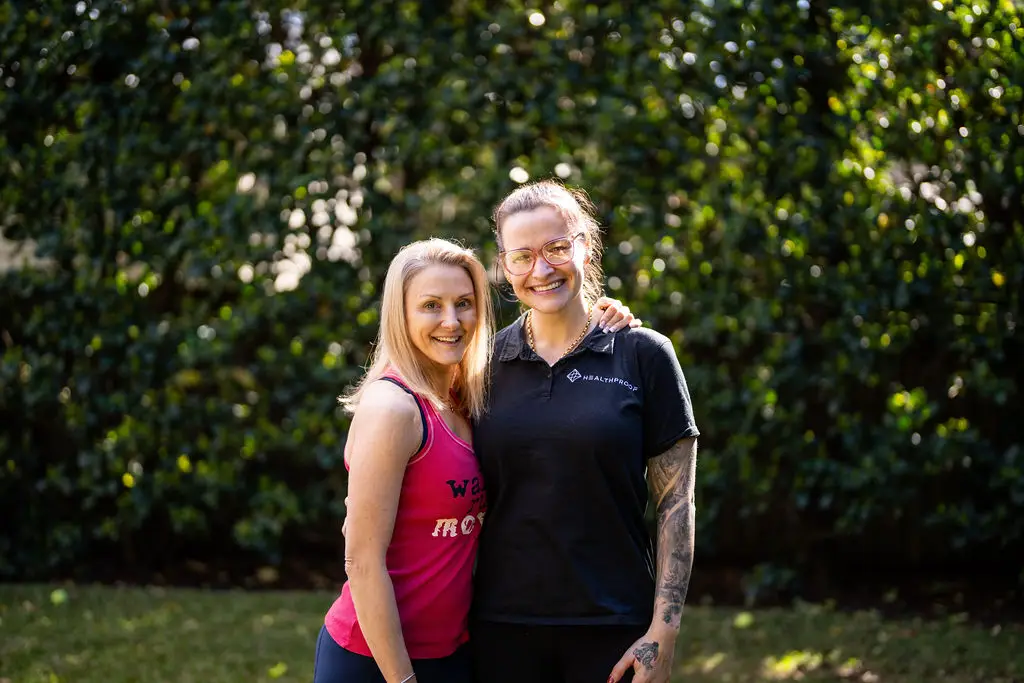

 Corey BiczoManaging Director and Co-FounderRead profile
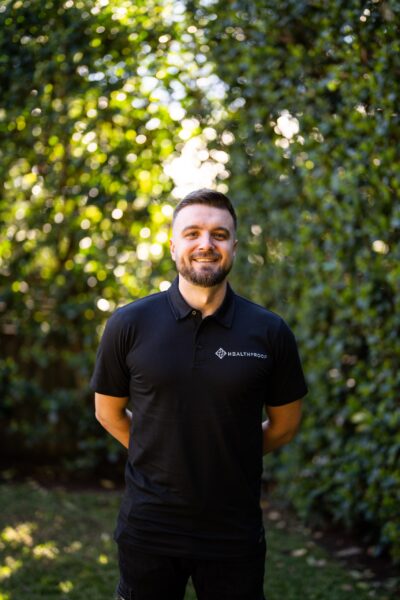 Stephen BrushDirector and FounderRead profile
 Amita ChandClinical and Risk ManagerRead profile
 Alana Di MartinoPhysiotherapist with over 10 years' experienceRead profile