01Listening to the participant first
The dietitian should learn what the person enjoys, dislikes and wants help with. Communication preferences, culture and sensory needs can shape the discussion. Family or worker observations are useful, but should not replace the person’s voice.
A dietitian mealtime assessment considers usual intake, health conditions, medicines and nutritional requirements. The clinician reviews existing mealtime plans and reports. Any conflicting instructions need clarification.
At home, the assessment can also consider how meals are selected, bought, prepared and served. The available support, budget and routine help determine whether recommendations will be practical.
02NDIS nutrition care plans for mealtimes
Recommendations can address meal patterns, food choices, nutritional adequacy and ways to make an eating plan manageable. The dietitian should explain the reasons for changes in accessible language. The plan needs to reflect the participant’s assessed needs.
Where food textures or fluid thickness are prescribed, nutrition advice must fit those requirements. A dietitian should coordinate with the relevant swallowing clinician rather than independently replace the swallowing plan.
Written advice may identify what support is needed and how nutrition will be reviewed. It should also explain which changes require further clinical input. Staff should not have to guess how to interpret a recommendation.
03Multidisciplinary mealtime management
Speech pathology may assess swallowing and develop appropriate swallowing recommendations. Occupational therapy may consider seating, positioning or equipment affecting mealtimes. Dietetics focuses on nutrition.
Some people need input from several disciplines. The team should clarify who maintains each part of the mealtime plan and how updates are shared. One appointment should not be presented as a complete assessment of every mealtime risk.
04Disability nutrition support at mealtimes
With the participant’s consent, carers or workers may join relevant discussions. Nutrition education can explain the individual plan and how to raise concerns. Practical training needs should be identified and arranged within the relevant professional scope.
A plan must be accessible to the people using it, including when workers change. Confirm how updated instructions will replace older versions. Clear records can reduce confusion about which advice is current.
Provider responsibilities, staff competency and emergency procedures extend beyond a dietitian’s written recommendations. The service should fit within those existing systems rather than be treated as a substitute for them.
05Reviewing nutrition and enjoyment
Review may consider intake, relevant measurements, health changes and whether meals remain acceptable to the person. A technically detailed plan can still need adjustment if it is difficult to use. The participant’s experience matters.
Raise concerns about reduced intake, distress at meals or practical barriers early. Changes in swallowing, health or living arrangements may require other clinicians as well. The frequency and scope of review should be agreed individually.
06Why a home visit can be useful
Mealtime advice needs to work with the participant’s preferences and the people who prepare food. A home appointment lets the dietitian discuss the usual meals, existing instructions and assistance in context.
With consent, workers or relatives can explain practical barriers and hear the agreed nutrition plan. Swallowing, seating and equipment recommendations remain with the relevant clinicians.
07NDIS funding and service scope
Eligible disability related nutrition assessment and planning must meet current NDIS criteria and fit the participant’s plan. Confirm the service agreement, management arrangement and available funding before starting. Recommendations do not guarantee a funding decision.
Meal preparation support, groceries, supplements and feeding products have different funding considerations. They are not automatically included because dietitian input is approved. Ask for travel, reports and worker education costs to be explained before those services are arranged.
For broader nutrition support, see our NDIS dietitian service. Use online referrals to share relevant information.
08Making a useful referral
For NDIS mealtime management support, share the participant’s goals, current plan and nutrition concerns with their agreement. Include relevant medical information, swallowing instructions and contact details for involved clinicians. Explain who prepares meals and what support is available.
Let Healthproof know if accessible information, an interpreter or a particular communication approach is needed. A thoughtful first conversation can make the appointment more comfortable and help identify the relevant service.
Urgent swallowing or breathing problems require immediate clinical action under the person’s emergency plan. Call 000 for severe choking or another immediate emergency. Do not wait for a routine nutrition review.





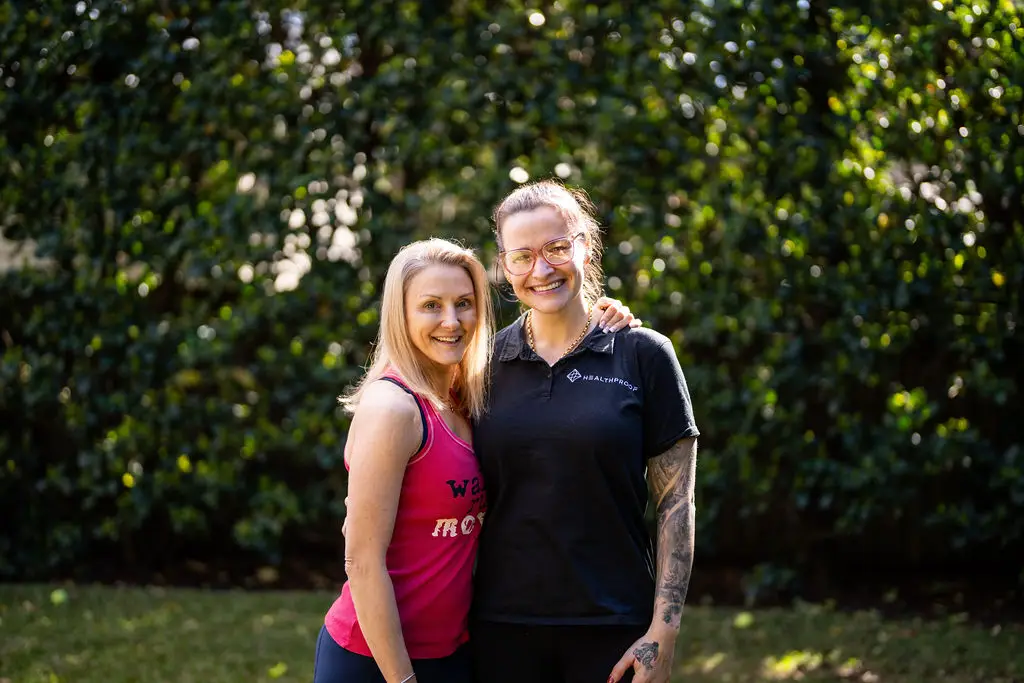

 Corey BiczoManaging Director and Co-FounderRead profile
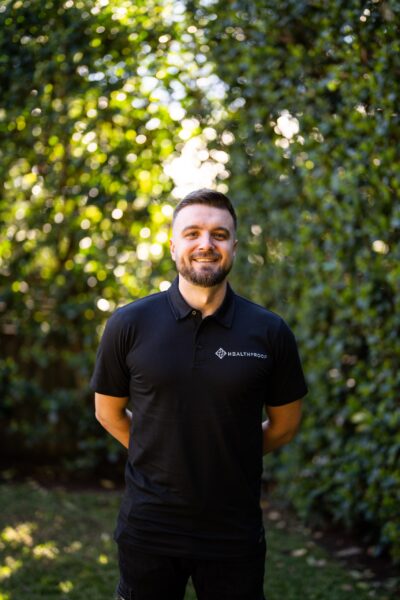 Stephen BrushDirector and FounderRead profile
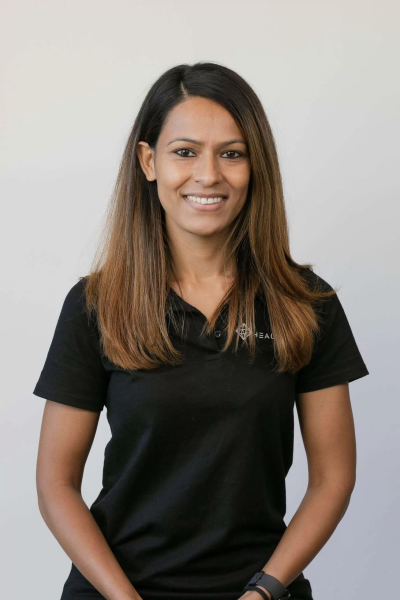 Amita ChandClinical and Risk ManagerRead profile
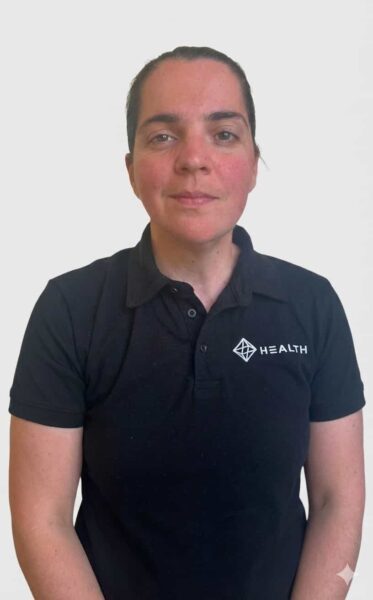 Alana Di MartinoPhysiotherapist with over 10 years' experienceRead profile