01Understanding the person and the plan
The exercise physiologist asks about your goals, health conditions, medicines and current activities. They may need medical information or clearance before assessment. Tell the team about falls, seizures, fatigue or other factors that affect exercise safety.
Assessment options include selected functional and exercise tasks, adapted to your communication and physical needs. The clinician should consider what you can do in ordinary life, not only during one supervised appointment.
Plan details and billing arrangements need separate confirmation. A clinician can recommend supports within their scope, but cannot decide NDIS eligibility or promise that a recommendation will be funded.
02Exercise programs for disability goals
Program options include exercise, education and supported practice linked to your agreed goals. The clinician should explain what each activity is for, how it will be progressed and what help is needed. Your preferences should influence the choices.
The home environment can make the plan more practical. Available space, equipment and support may shape the activities. Some goals may be better addressed in another community setting, where suitable access and arrangements can be made.
Review should consider whether the program is helping the intended function or participation. If it is not useful or manageable, the approach should be reconsidered. More sessions are not automatically the answer.
03Working with support workers and family
With your consent, a support worker or family member may join relevant parts of the appointment. The clinician can explain agreed assistance and how to recognise when activity should stop. Roles and any training needs should be clear.
Support between visits is different from professional clinical assessment. A support worker should not be expected to change the program independently or perform tasks beyond their training. Your choices and communication remain central throughout.
04Choosing the appropriate discipline
Physiotherapy may be relevant when movement, positioning or transfers need rehabilitation. Occupational therapy focuses on participation in daily tasks and routines. Exercise physiology focuses on clinical exercise and physical capacity.
These services may work together, but their goals and responsibilities should be distinct. General gym attendance, personal training and exercise physiology are not automatically interchangeable NDIS supports.
05Starting or reviewing the service
For first appointments, suitability and access, see our NDIS exercise physiology overview. This page explains ongoing program goals, practice and review once the service is appropriate.
Home gives the program context for your routine, preferences and available help. A support worker can hear agreed instructions, while practice and supervision are matched to your needs.
06Funding and service agreements
The proposed exercise physiology must meet current NDIS requirements and fit your plan and available funding. Confirm the management arrangement, service agreement and billing details before starting. A capacity building label does not itself make every activity claimable.
Ask for travel, report writing, cancellation and other charges to be explained in advance. Ordinary living costs, gym memberships and general healthcare are outside this therapy service’s NDIS funding. If funding is unclear, confirm it with the relevant plan contact before committing to services.
You or your chosen referrer can use online referrals to share the care request and relevant information.
07Information that helps a referral
Provide the participant’s goals, location, requested service and relevant health information with consent. Include communication preferences, mobility or transfer needs and current supports. Existing therapy reports may help avoid unnecessary duplication.
A support coordinator can help organise information, but the participant should be involved in choosing goals and the way the service is delivered. Let the team know if accessible information or an interpreter is needed.
08Reports and review
Where reporting is part of the agreed service, the clinician describes assessment findings, progress, barriers and recommendations. The report should explain how the work relates to functional goals and identify any limitations.
Discuss report needs and deadlines early, including the time and cost involved. An accurate report supports a planning discussion; it does not guarantee a particular funding decision.





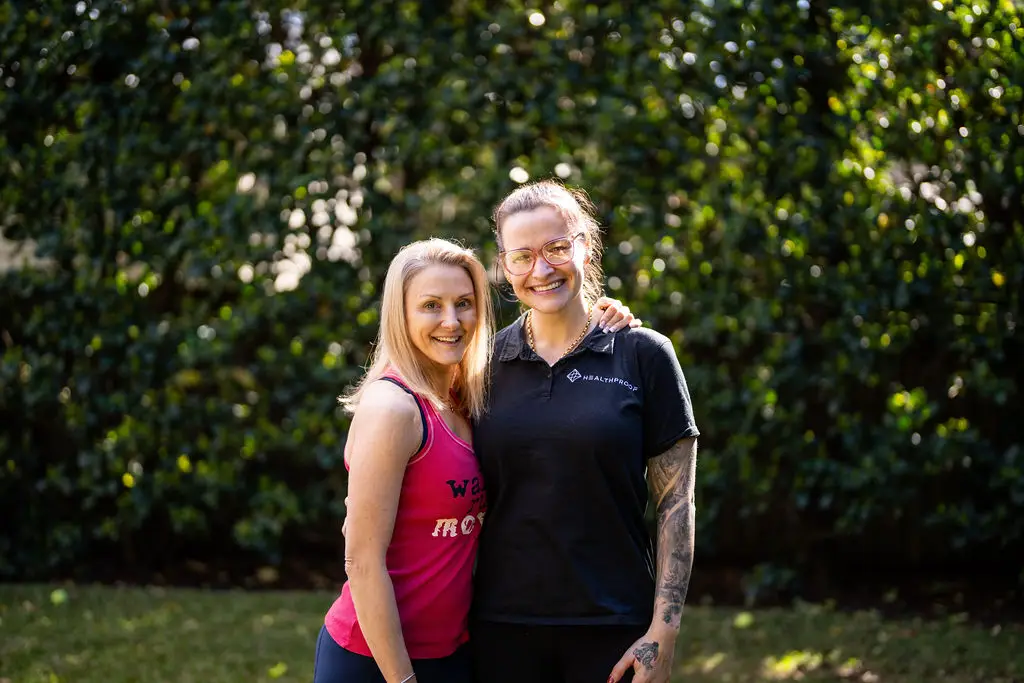

 Corey BiczoManaging Director and Co-FounderRead profile
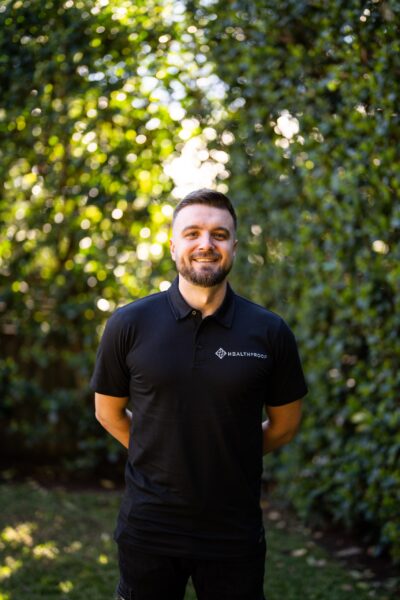 Stephen BrushDirector and FounderRead profile
 Amita ChandClinical and Risk ManagerRead profile
 Alana Di MartinoPhysiotherapist with over 10 years' experienceRead profile