- Home
- Mobile Health Services
- Physiotherapy
- Stroke Rehabilitation
After a stroke, moving around your own home can feel different from practising on a hospital ward. A familiar doorway, bed or chair may now need a different approach.
Stroke rehabilitation physiotherapy in Sydney focuses on movement and the tasks you want to manage. Healthproof offers mobile stroke physiotherapy when home rehabilitation is suitable and a clinician is available. We work from your current abilities, discharge advice and personal priorities, with progress reviewed along the way.
Prefer to talk? Call (02) 9188 6442

Planning stroke rehabilitation physiotherapy in Sydney
Stroke can affect strength, balance, coordination and how you feel movement. Its effects differ between people, so two people with the same diagnosis may need very different support. Assessment helps identify the movements that matter for your daily life.
Your goals might involve turning in bed, getting to the toilet or standing at the kitchen bench. You may want to maintain a skill or practise using an aid with assistance. Recovery cannot be predicted from a webpage, and your plan should not depend on a promised timetable.
Connecting hospital advice with life at home
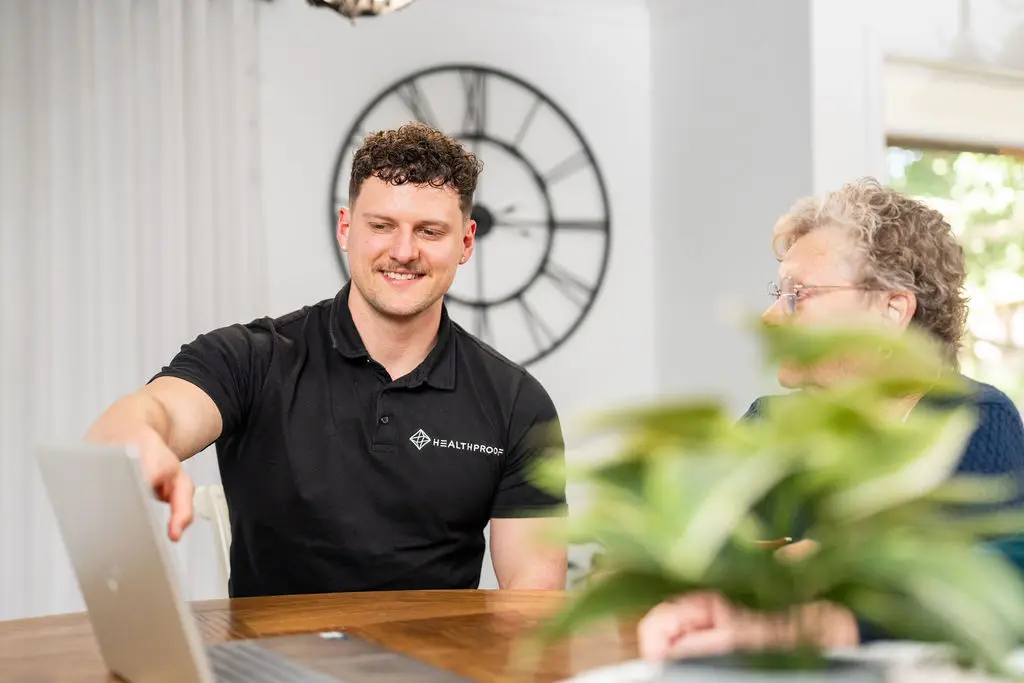
Before a visit, share relevant discharge information, current precautions and details of the team already involved in your care. These help the physiotherapist understand what has been assessed and which activities are appropriate. Tell the team about changes since leaving hospital.
Stroke rehabilitation at home may complement an agreed plan, but it does not replace needed hospital or medical care. If discharge support is unclear, contact your treating team. The first appointment can then focus on practical home needs within the advice and support already in place.
Stroke mobility rehabilitation
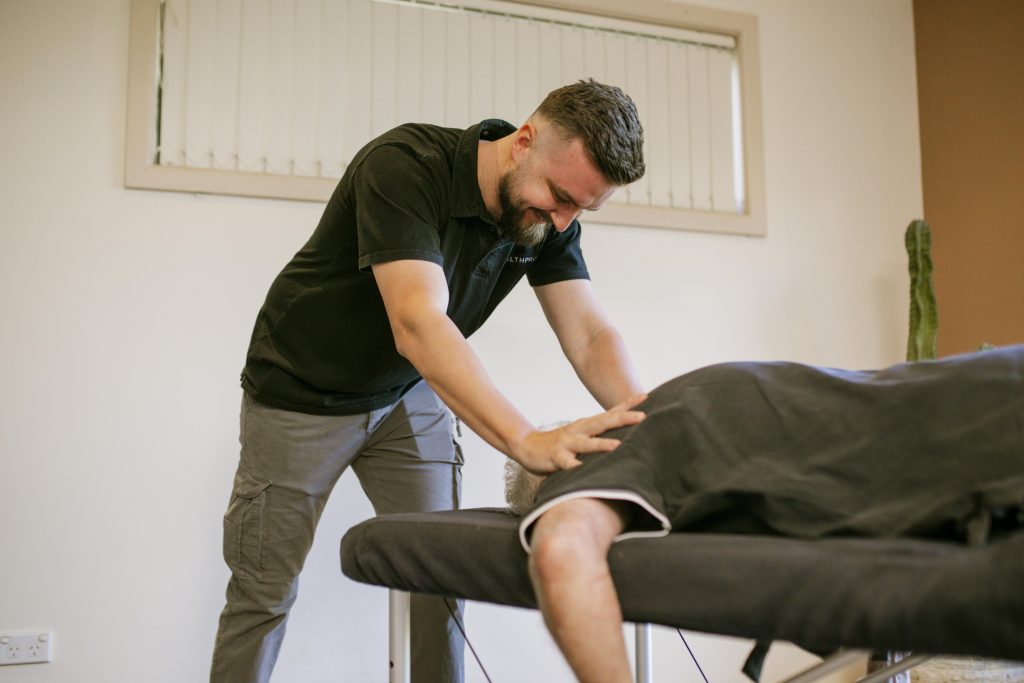
The assessment may look at sitting balance, moving between surfaces, standing and walking, depending on your current ability. Your physiotherapist will consider fatigue, pain, sensation and how much assistance you need. A task may be assessed in stages rather than completed all at once.
Your usual chair, bed height and walking route provide useful information about everyday demands. Equipment already prescribed by your team can be reviewed within the assessment. Tell the physiotherapist if you feel unsafe, tired or uncomfortable, so the activity can be adjusted or stopped.
Physiotherapy after stroke in daily tasks
Stroke rehabilitation exercises may sit alongside repeated movement practice and advice about assistance or walking aids. The chosen activity should relate to a goal that matters to you. For example, practising standing may support a routine that involves moving from your chair.
Your physiotherapist can explain how to practise, what help is needed and when the plan should be reviewed. An exercise that suits someone else may not suit your stroke effects. Practice needs to fit your abilities and medical advice, rather than relying on a general online routine.
Allowing for fatigue and support needs
Fatigue after stroke can make a short activity feel demanding, particularly when movement also requires concentration. Tell your care team about tiredness and any pattern you notice. A plan may need shorter activities, rest breaks or a different time of day.
With your permission, a family member or carer can learn how to support an agreed task. They need clear instructions that match their role and ability to assist. The plan should also identify when help is required, rather than expecting you to practise difficult movements alone.
Coordinating movement and communication care
This page focuses on movement after stroke. Our neurological physiotherapy page covers movement support across a broader range of neurological conditions. The service choice depends on your current needs, with existing rehabilitation advice taken into account.
Stroke may also affect communication or swallowing, which require different assessment and support. Our stroke speech therapy page explains communication rehabilitation and the role of speech pathology. With your permission, clinicians can share relevant information so instructions and goals work together.
Confirming referrals and payment before booking
Ask about private payment or eligible Medicare, DVA, private health and aged care options, subject to the relevant requirements. A hospital discharge or stroke diagnosis does not establish funding. Confirm referral needs, clinician suitability and any approvals before an appointment is arranged.
NDIS funding may apply to eligible disability support needs, but acute treatment and rehabilitation can be the health system's responsibility. Clarify the purpose of the proposed service with your funding contact. Ask about assessment, travel, reports and communication costs so the proposed care is clear.
How Our Mobile Health Services Work

01.
Schedule Your Initial Consultation
Contact us to arrange a session with our allied health professionals. We’ll discuss your health concerns, goals, and medical history.

02.
Develop a Personalised Care Plan
Based on your initial assessment, we designed a custom therapy plan to enhance mobility, independence, and recovery.

03.
Start Receiving Therapy at Home
Our health professionals visit your home to provide ongoing therapy and support, focusing on your unique care plan.

04.
Continuous Monitoring and Adjustments
We track your progress regularly, adjusting your therapy to ensure optimal results and continuous improvement.
Where appointments are available
Appointments can be discussed for Greater Sydney and Melbourne. The team confirms the clinician, setting and availability for your needs.
This service is part of our mobile physiotherapy care.
Western Sydney, Sydney CBD, South West Sydney, North Sydney, Canterbury Bankstown, Northern Beaches, Sutherland Shire, Hornsby, Hills District, Campbelltown and Macarthur, Sydney Inner West, Wollondilly, Sydney Eastern Suburbs, and Melbourne.
NDIS Registered Provider
As a registered NDIS provider, Healthproof brings extensive experience
At Healthproof, we’re proud NDIS providers with lots of experience helping people with disabilities and complex needs. Our mission is to help improve the independence, mobility, well-being, quality of life and comfort of patients with disabilities by providing them access to quality healthcare services.
More physiotherapy services
Neurological physiotherapyTraumatic brain injuryNDIS physiotherapyAged care physiotherapyPaediatric physiotherapyFalls prevention and balancePost-Surgical and post-hospital rehabilitationWork injury and return to workMusculoskeletal and pain managementMobility and walking rehabilitationDry needling
Your questions answered
Can I have physiotherapy if I cannot walk independently?
You can ask about assessment. Physiotherapy may focus on sitting, transfers, positioning or supported movement rather than independent walking. Suitability depends on your needs, medical stability and available assistance.
How much movement will I regain after a stroke?
No one can promise a specific amount of recovery or a fixed timeframe. Your physiotherapist can discuss assessed goals and review changes with you. The plan may also support adapting tasks to your current ability.
Can my carer learn how to help between visits?
With your agreement, your carer can be involved in planning and learning suitable assistance. The physiotherapist needs to assess the task and the help available. Written instructions may support the agreed routine.
What if I develop new stroke symptoms?
Call triple zero (000) immediately for signs such as sudden facial droop, arm weakness or speech difficulty. Do not wait for a physiotherapy visit, even if the symptoms settle.
The team behind your care
Meet some of the people who lead Healthproof's clinical services.
Corey BiczoManaging Director and Co-FounderRead profile
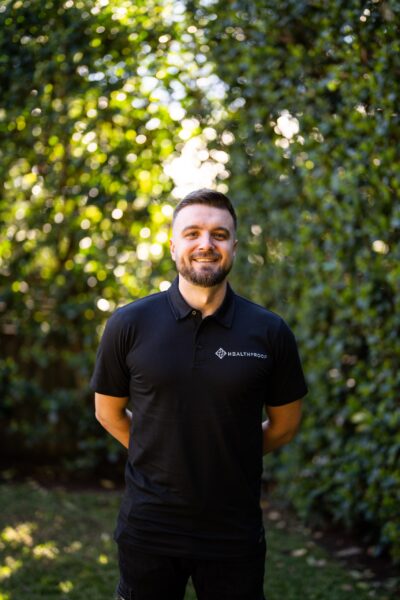
Stephen BrushDirector and FounderRead profile

Amita ChandClinical and Risk ManagerRead profile
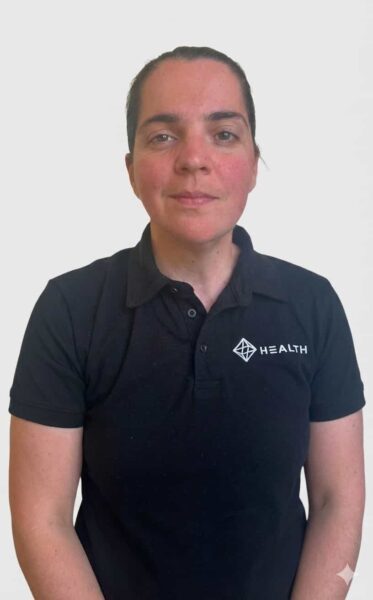
Alana Di MartinoPhysiotherapist with over 10 years' experienceRead profile
We work with
Talk with Healthproof
Share your suburb, discharge plan and the movements you would like help with. Healthproof can discuss whether a mobile assessment fits your current care and confirm availability.
Call (02) 9188 6442 or use Enquire Now or Make A Referral.