Physiotherapy

Getting out of a favourite chair, reaching the letterbox or walking to lunch can become harder over time. Sometimes the change follows an illness or hospital stay. Sometimes it happens gradually.

Aged care physiotherapy in Sydney starts with the movements that matter to you. Healthproof offers mobile aged care physiotherapy where a home visit is suitable and a clinician is available. We can discuss your priorities, the help you have and whether assessment at home would be useful.

Prefer to talk? Call (02) 9188 6442

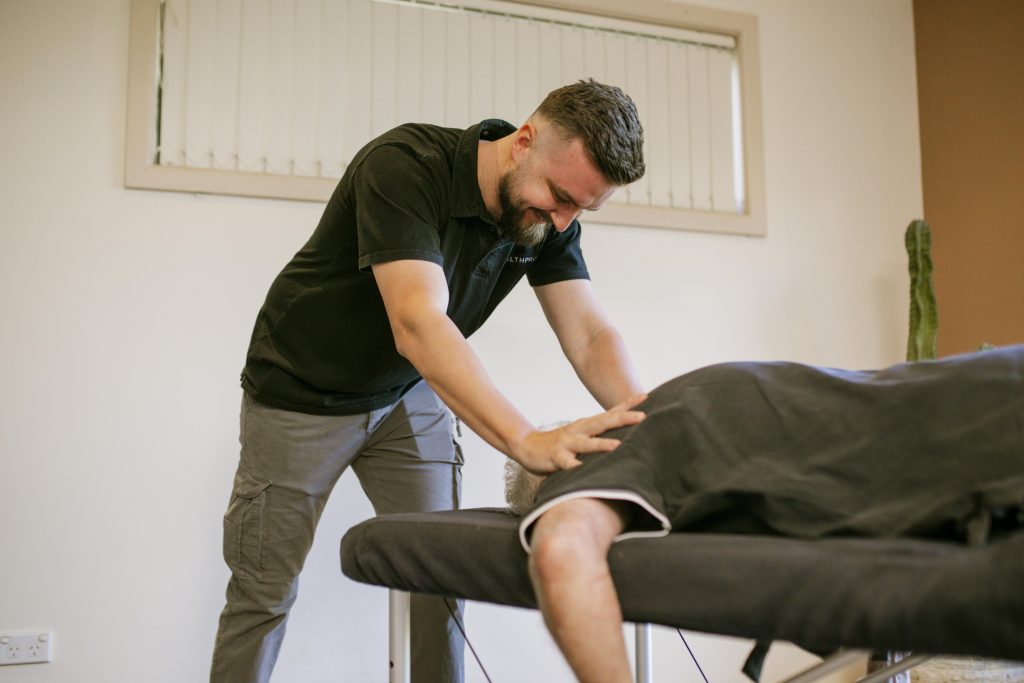
A Healthproof physiotherapy home visit

When aged care physiotherapy in Sydney may help

You may notice shorter walks, difficulty standing up or a growing need to hold furniture for support. A fall or near fall can also make everyday movement feel uncertain. These changes are reasons to seek advice, rather than assuming nothing can be done because of age.

Physiotherapy considers strength, balance and movement alongside your health history and daily needs. It may form one part of broader care from your GP and other clinicians. A new or sudden change in function needs medical review, especially when you feel unwell.

Physiotherapy for older adults at home

Your physiotherapist may assess standing from a chair, moving between rooms and using steps, based on your needs and safety. They will ask about falls, pain, fatigue, medicines and any recent hospital care. You can explain which tasks feel harder and which you still enjoy.

The height of a chair or the route to the bathroom may reveal a problem that is difficult to describe. Your usual shoes and walking aid can also inform the assessment. You choose whether a family member or carer takes part in the conversation.

Building a practical movement plan

A plan may involve strength and balance exercises, practising transfers or advice about walking with an existing aid. The activities should fit your health, interests and current ability. Your physiotherapist can explain what each activity is intended to address and what help is needed.

Small practical goals can give the plan a clear purpose, such as reaching a dining chair or managing the front step. Review considers comfort, confidence and daily function as well as movement measures. The approach can change if your health or support needs change.

Working with family and other clinicians

With your permission, a relative or carer can help explain your usual routine and learn how to support agreed practice. They should understand what assistance is appropriate and when to stop. The plan needs to respect both your wishes and the help they can realistically provide.

Your GP may need to review medicines, dizziness or other health concerns that contribute to falls. Occupational therapy may address home safety or equipment, while podiatry may assess foot problems and footwear. Physiotherapy fits alongside these services, with referrals or shared information where appropriate.

Support at Home and CHSP pathways

Eligible older people may access Support at Home physiotherapy or approved allied health through the Commonwealth Home Support Program. These are separate programs with different assessment and service arrangements. My Aged Care assessment helps establish whether you are eligible for an aged care program and physiotherapy support.

Ask your provider whether the proposed physiotherapy is approved and how appointments will be arranged. Confirm the service, clinician, travel and reporting costs before booking. A referral or existing aged care funding does not automatically approve every visit or every requested service.

Appointments in residential aged care

If you live permanently in an aged care home, start by discussing your assessed needs with the facility's care team. Residential providers have their own responsibilities for required care and therapy services. Support at Home and CHSP should not be assumed to fund an additional residential appointment.

An external visit needs clear agreement about its purpose, access, information sharing and payment. Existing mobility instructions and staff assistance must also be considered. Tell Healthproof about current therapy so any proposed service can be discussed in the context of your wider care.

Getting ready and considering other payment options

Bring together any discharge instructions, relevant referrals and details of your current walking aid. Let the team know about stairs, entry access, pets and communication needs. You do not need special exercise equipment before your assessment.

Private payment or eligible Medicare, DVA and private health pathways may be considered, subject to their rules and required referrals. Confirm any gap and whether home visits are covered before proceeding. If you are unsure which pathway applies, describe your situation when enquiring so the necessary checks can be identified.

How Our Mobile Health Services Work

Seamless In-Home Care Tailored to Your Needs

01.
Schedule Your Initial Consultation

Contact us to arrange a session with our allied health professionals. We’ll discuss your health concerns, goals, and medical history.

02.
Develop a Personalised Care Plan

Based on your initial assessment, we designed a custom therapy plan to enhance mobility, independence, and recovery.

03.
Start Receiving Therapy at Home

Our health professionals visit your home to provide ongoing therapy and support, focusing on your unique care plan.

04.
Continuous Monitoring and Adjustments

We track your progress regularly, adjusting your therapy to ensure optimal results and continuous improvement.

Where appointments are available

Appointments can be discussed for Greater Sydney and Melbourne. The team confirms the clinician, setting and availability for your needs.

This service is part of our mobile physiotherapy care.

Western Sydney, Sydney CBD, South West Sydney, North Sydney, Canterbury Bankstown, Northern Beaches, Sutherland Shire, Hornsby, Hills District, Campbelltown and Macarthur, Sydney Inner West, Wollondilly, Sydney Eastern Suburbs, and Melbourne.

NDIS Registered Provider

As a registered NDIS provider, Healthproof brings extensive experience

At Healthproof, we’re proud NDIS providers with lots of experience helping people with disabilities and complex needs. Our mission is to help improve the independence, mobility, well-being, quality of life and comfort of patients with disabilities by providing them access to quality healthcare services.

Your questions answered

Do I need to have fallen before asking for physiotherapy?

No. Difficulty standing, changes in walking or concerns about balance can also prompt an assessment. Tell the team what has changed and whether your GP has reviewed any new symptoms.

Can a family member attend the home visit?

Yes, if you would like them involved and the appointment arrangements allow it. They can explain everyday difficulties or learn agreed ways to help. Your preferences guide their involvement.

Is physiotherapy automatically included in my aged care funding?

No. Eligibility, assessed needs, approved services and provider arrangements determine what may be funded. Confirm the proposed appointment and any costs with your provider before booking.

Can I request a visit at my aged care home?

You can enquire, subject to suitability, availability and facility agreement. Discuss the facility’s responsibilities and existing therapy first. Payment for any additional external service needs to be clear before it proceeds.

The team behind your care

Meet some of the people who lead Healthproof's clinical services.

We work with

  • NDIS
  • Medicare
  • Department of Veterans' Affairs
  • icare NSW
  • HCF
  • Bupa
  • Karista

Talk with Healthproof

Tell us what has become harder, where you live and whether an aged care provider is involved. We can discuss the next step and what to confirm before booking.

Call (02) 9188 6442 or use Enquire Now or Make A Referral.