Occupational therapy

Getting ready, making a meal or leaving home can involve challenges that other people never see. NDIS occupational therapy in Sydney explores how disability affects these activities and what support may fit your life.

Healthproof offers mobile NDIS occupational therapy appointments, with your needs and clinician availability confirmed first. You can start with a practical concern, such as dressing or managing a morning routine. The team can help clarify whether you need therapy, a specific assessment or a report.

Prefer to talk? Call (02) 9188 6442

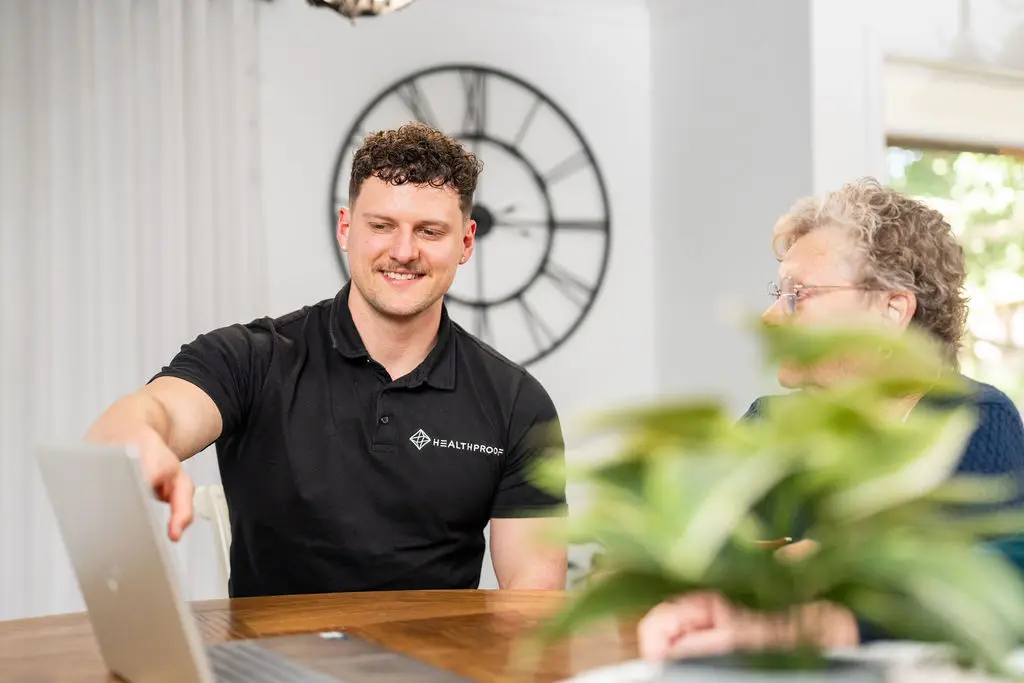
A Healthproof occupational therapy home visit

What NDIS occupational therapy in Sydney can address

Occupational therapy for people with disabilities looks at the things they need or want to do each day. Disability may affect movement, planning, memory, sensory comfort or how you manage a series of steps. The aim is to understand the task and your preferred way of taking part.

You might want to prepare breakfast, use the bathroom with appropriate help or organise what you need for an outing. NDIS capacity building occupational therapy may focus on learning skills or adapting routines; maintenance therapy may help preserve abilities. Your priorities guide the discussion, including when continued assistance is important.

Start with the routine that matters

A broad goal becomes easier to discuss when you describe an ordinary situation. For example, getting dressed might involve reaching clothes, choosing an outfit, managing fastenings and knowing what comes next. Tell the OT which part is difficult and what already works.

Together, you can choose a manageable starting point and agree how to check whether the approach is useful. Comfort, choice and participation can matter alongside doing more independently. Our daily living skills page explains task practice and routine changes in more detail.

What an NDIS OT assessment can explore at home

During a home visit, the OT asks about your goals, usual support and relevant health information. With your agreement, they may watch an activity, examine the setup or consider how equipment is used. They can also discuss factors that change across the day.

You decide which personal activities you feel comfortable showing. A familiar supporter can help explain your routine, and you can request communication support or breaks. The assessment needs to reflect your usual experience, including days when fatigue or other difficulties are greater.

Making a plan that fits between visits

Possible strategies include changing the order of a task, practising a skill or using prompts suited to your communication. An OT might explore where items are kept or how a support worker helps you start an activity. Each suggestion needs a clear purpose.

Where useful, the plan can include guidance for family or support workers you choose to involve. Discuss what they can realistically help with and how instructions will be shared. Review can consider your experience, the help required and whether the routine is practical to repeat.

Choosing therapy, an FCA or an equipment assessment

Ongoing OT works on agreed activities and reviews how the plan fits your day. A functional capacity assessment has a different purpose: describing abilities and support needs in an agreed report. You do not automatically need an FCA before discussing therapy.

An assistive technology assessment investigates equipment, while home modification assessment considers changes to the building. A general OT appointment may identify these needs without completing every assessment. Tell the team what has been requested so the appointment and any report match that purpose.

Checking the NDIS purpose and costs

NDIS funding may apply when OT addresses eligible disability support needs and meets current funding requirements. A diagnosis or plan balance does not automatically make every service claimable. General medical treatment and ordinary living costs have different responsibilities.

Our NDIS information page covers the broader referral and funding pathway across disciplines. This page focuses on occupational therapy needs and choosing the appropriate appointment. Confirm your plan management, available funding, service agreement and any required approvals before work begins.

Ask about assessment, travel, reporting and liaison costs separately. Equipment and home alterations may need their own evidence, quotations and approval. An OT recommendation cannot guarantee an NDIA funding decision.

What to share when you enquire

Describe the daily task you want help with, where it happens and who currently assists. Include relevant reports, existing equipment and any request for a written assessment. If there is a report deadline, mention it before booking so the team can discuss the scope.

You or your chosen referrer can send the request through online referrals. Tell us about access needs and how you prefer to communicate. Healthproof can then discuss the proposed OT service, appointment availability and the information needed to take the next step.


How Our Mobile Health Services Work

Seamless In-Home Care Tailored to Your Needs

01.
Schedule Your Initial Consultation

Contact us to arrange a session with our allied health professionals. We’ll discuss your health concerns, goals, and medical history.

02.
Develop a Personalised Care Plan

Based on your initial assessment, we designed a custom therapy plan to enhance mobility, independence, and recovery.

03.
Start Receiving Therapy at Home

Our health professionals visit your home to provide ongoing therapy and support, focusing on your unique care plan.

04.
Continuous Monitoring and Adjustments

We track your progress regularly, adjusting your therapy to ensure optimal results and continuous improvement.

Where appointments are available

Appointments can be discussed for Greater Sydney and Melbourne. The team confirms the clinician, setting and availability for your needs.

This service is part of our mobile occupational therapy care.

Western Sydney, Sydney CBD, South West Sydney, North Sydney, Canterbury Bankstown, Northern Beaches, Sutherland Shire, Hornsby, Hills District, Campbelltown and Macarthur, Sydney Inner West, Wollondilly, Sydney Eastern Suburbs, and Melbourne.

NDIS Registered Provider

As a registered NDIS provider, Healthproof brings extensive experience

At Healthproof, we’re proud NDIS providers with lots of experience helping people with disabilities and complex needs. Our mission is to help improve the independence, mobility, well-being, quality of life and comfort of patients with disabilities by providing them access to quality healthcare services.

Your questions answered

Do I need a functional capacity assessment before starting OT?

Not necessarily; the assessment needed depends on your goals and the reason for referral. An FCA provides a broader report about daily function. A focused therapy or equipment request may need a different assessment.

Can OT help me keep skills I already use?

Maintenance therapy may be considered where it addresses your disability needs and meets NDIS requirements. Discuss what you want to keep doing and how your abilities have changed. The plan should explain the purpose and review process.

Can a family member or support worker join?

Yes, when you want them involved and their input is relevant. They can help explain routines or learn agreed strategies. Their role, information sharing and any additional training costs need to be discussed.

Does OT funding also cover recommended equipment?

Not automatically; equipment funding and therapy funding have separate requirements. The item may need a trial, supporting evidence or approval. Confirm these steps before buying something or expecting reimbursement.

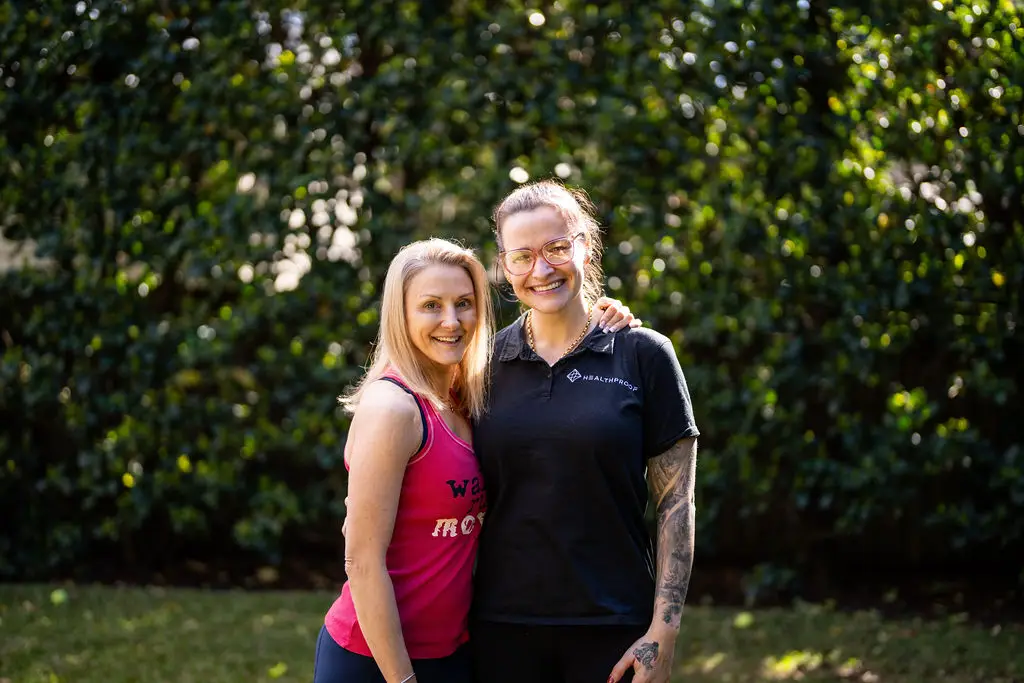
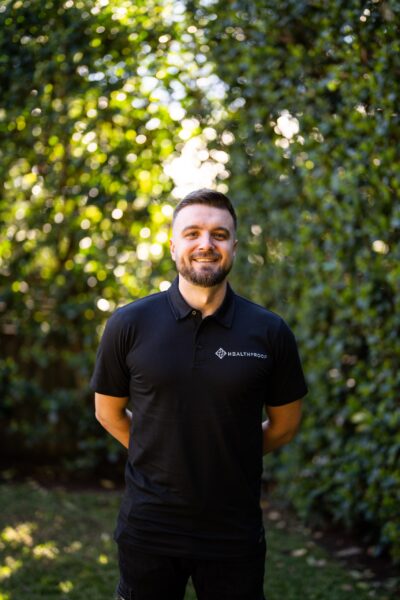
The team behind your care

Meet some of the people who lead Healthproof's clinical services.

We work with

  • NDIS
  • Medicare
  • Department of Veterans' Affairs
  • icare NSW
  • HCF
  • Bupa
  • Karista

Talk with Healthproof

Tell Healthproof which daily activity is difficult and whether you need therapy or a particular assessment. We can discuss the next step for your NDIS OT enquiry.

Call (02) 9188 6442 or use Enquire Now or Make A Referral.