- Home
- Mobile Health Services
- Speech Pathology
- Autism and Social Communication
Social communication speech therapy in Sydney can support people who want help being understood in everyday interactions. Healthproof discusses speech pathology for autism and other social communication needs in children and adults, subject to clinician suitability. The way you like to share ideas and what matters to you guide the visit.
You might want to explain a need, understand an unclear message or join an activity on your own terms. Support can also involve the people and places around you. Tell us what feels difficult and what a useful change would look like.
Prefer to talk? Call (02) 9188 6442

Social communication speech therapy in Sydney: your goals
Social communication is how we share meaning with other people. People may use words in different ways or find an unspoken rule hard to follow. An assessment looks at the person’s needs and what makes that setting hard.
Autistic people have their own strengths, needs and ways to express themselves. Being autistic does not mean every social situation needs therapy. Start with a situation where the person wants to feel heard or have more choice.
Neurodiversity affirming speech therapy goals
Goals may include asking what a word means, saying no or explaining that a space feels too noisy. Another person may want support with a conversation at work or a shared activity. The person seeking support needs a real say in which goals are chosen.
Eye contact and copying someone else’s social style do not suit everyone. A plan can help people understand each other and respect the way each person listens and responds. Tell the clinician what has felt hard or unhelpful in past therapy.
Understanding communication in everyday settings
The clinician may ask about home, school, work and other places that matter to you. They can explore how you make sense of messages, share ideas and ask for help. Examples from daily life may show why a task is hard, even when it seems easy during a visit.
Noise, unclear words or pressure to answer quickly can make things harder. Share what helps you feel at ease and any sounds or sights that bother you. The clinician can use talks, tasks and time watching a routine to learn about your needs.
Pragmatic language therapy for everyday messages
Pragmatic language therapy explores how meaning changes with the situation and the people involved. You can use examples from your own life to explore what might help. Practice needs a practical purpose, such as understanding a changed plan or responding to a work request.
Pictures, written choices or clearer words may make a message easier to follow. Ask which tools could help in the setting that feels hard. The aim is to understand each other, with changes from both the person and those around them.
Keeping communication available in different forms
Speech may feel easier at some times than others. Writing, gestures, pictures or a device may offer another way to share a message. A person needs a way to make choices even when spoken words are hard to access.
Our AAC assessment service looks at how to choose and use these tools in more detail. This page focuses on sharing ideas with others and taking part in daily life. Keep using helpful tools while you discuss other options.
Helping families, educators and other partners
People who spend time together can learn what each person’s words, gestures and signals mean. For example, a pause may mean someone needs more time to think about a question. Support can include ways to allow that time without speaking for the person.
You can choose to involve a parent, teacher, support worker or another person in the plan. Agree on what information can be shared and why. Visits to school, work or other places also need the setting’s permission and a check that the visit is suitable.
Choosing the scope of speech pathology support
Speech pathology can explore what makes sharing and understanding messages hard, then discuss what might help. You do not need to know the cause before asking for help. If you have questions about an autism diagnosis, ask whether a separate assessment is needed.
For children with a range of speech or language needs, our paediatric speech pathology service offers a broader starting point. Adult communication support covers a wider range of adult speech and language needs. Tell the team who else is helping so new goals fit with your current support.
Agreeing on funding, appointments and review
Tell us your age, suburb, how you like to share information and what you want help with. Ask for a supporter to join or for information before the visit. The team checks who can help and where visits can take place before you book.
NDIS-funded support must meet eligible disability-related needs and the applicable funding criteria. Medicare or private health rebates may apply where referral and policy requirements are met. Ask about fees for visits, travel, reports and guidance for others, then agree how you will review the plan.
How Our Mobile Health Services Work

01.
Schedule Your Initial Consultation
Contact us to arrange a session with our allied health professionals. We’ll discuss your health concerns, goals, and medical history.

02.
Develop a Personalised Care Plan
Based on your initial assessment, we designed a custom therapy plan to enhance mobility, independence, and recovery.

03.
Start Receiving Therapy at Home
Our health professionals visit your home to provide ongoing therapy and support, focusing on your unique care plan.

04.
Continuous Monitoring and Adjustments
We track your progress regularly, adjusting your therapy to ensure optimal results and continuous improvement.
Where appointments are available
Appointments can be discussed for Greater Sydney and Melbourne. The team confirms the clinician, setting and availability for your needs.
This service is part of our mobile speech pathology care.
Western Sydney, Sydney CBD, South West Sydney, North Sydney, Canterbury Bankstown, Northern Beaches, Sutherland Shire, Hornsby, Hills District, Campbelltown and Macarthur, Sydney Inner West, Wollondilly, Sydney Eastern Suburbs, and Melbourne.
NDIS Registered Provider
As a registered NDIS provider, Healthproof brings extensive experience
At Healthproof, we’re proud NDIS providers with lots of experience helping people with disabilities and complex needs. Our mission is to help improve the independence, mobility, well-being, quality of life and comfort of patients with disabilities by providing them access to quality healthcare services.
More speech pathology services
NDIS speech pathologyAged care speech pathologyPaediatric speech pathologySpeech delay and language developmentSpeech sound disorders and articulationStuttering and fluencyAdult speech pathologyStroke and neurological communicationSwallowing and mealtime managementAugmentative and alternative communication (AAC)Telehealth speech pathologyVoice
Your questions answered
Is this service only for autistic people?
No. Social communication needs can arise in different circumstances. Tell the team what you want help with so they can discuss who is available and the next step.
Will therapy require eye contact?
Eye contact is not a universal therapy goal. Explain how you prefer to listen and communicate. Goals can focus on understanding, choice and taking part without a rule about where to look.
Can parents or support workers be involved?
Yes, when the person agrees and it helps with their goals. Support may include clearer words, pictures or changes to the way people speak with each other. The person having therapy keeps a say in choices about their care.
Can someone use AAC if they also speak?
Yes. A person may use AAC alongside speech or when spoken words are hard to access. An assessment can explore tools for different settings, without requiring spoken words.
The team behind your care
Meet some of the people who lead Healthproof's clinical services.
Corey BiczoManaging Director and Co-FounderRead profile
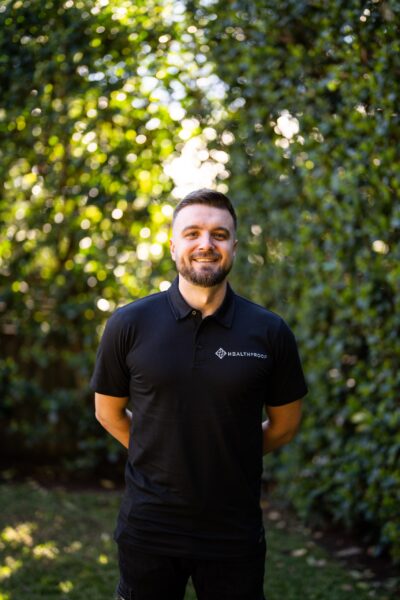
Stephen BrushDirector and FounderRead profile
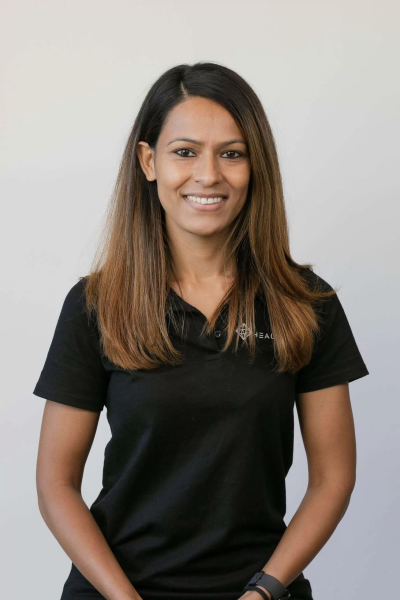
Amita ChandClinical and Risk ManagerRead profile
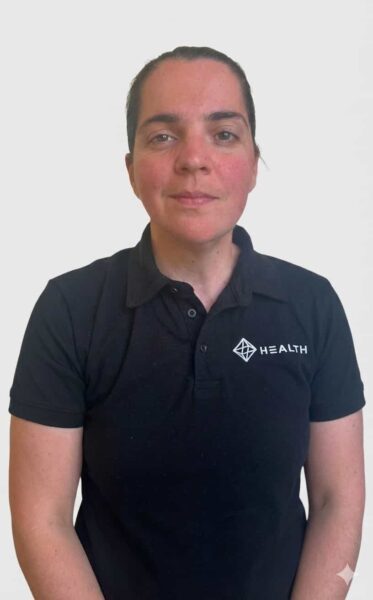
Alana Di MartinoPhysiotherapist with over 10 years' experienceRead profile
We work with
Talk with Healthproof
Tell Healthproof when you want support and how you prefer to share ideas. We can discuss a visit that respects your goals and choices.
Call (02) 9188 6442 or use Enquire Now or Make A Referral.