01Understanding foot care and funding responsibilities
The NDIS may fund podiatry assessment, a care plan or foot care when it meets the relevant disability support requirements. Evidence from a suitable health professional may be needed. Your plan and the purpose of the service must be checked before a booking is confirmed.
Ordinary foot care and medical treatment are not automatically NDIS supports. Diabetes treatment, infection and other health conditions may belong with the health system. Our NDIS service page explains broader funding and coordination, while this page focuses on podiatry needs.
02A foot and ankle assessment at home
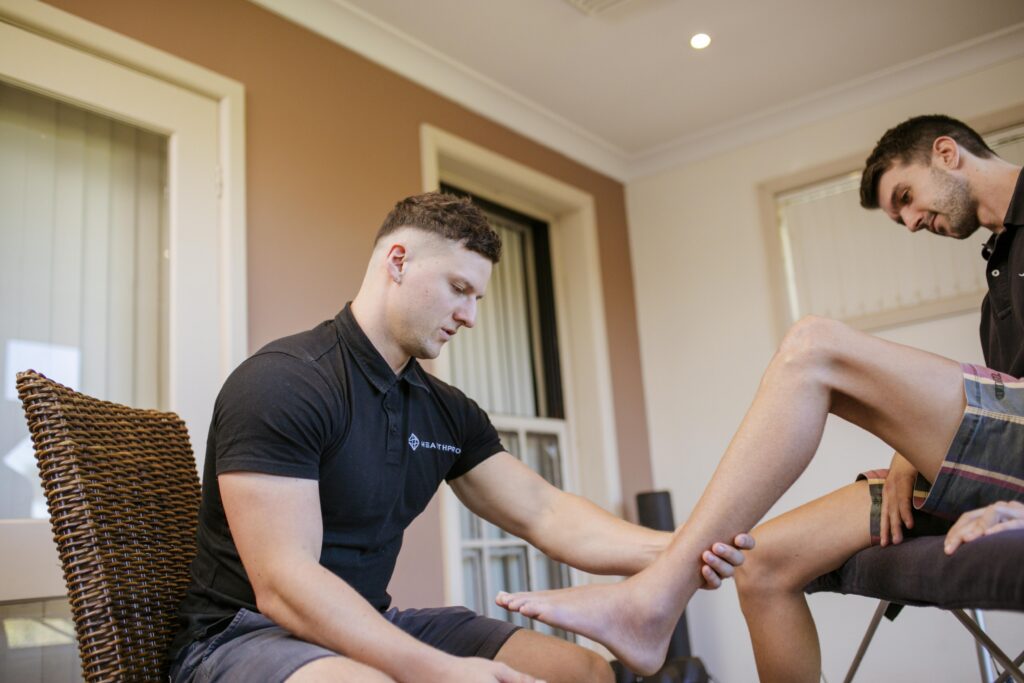
The podiatrist asks about your health, discomfort, current care and any previous foot problems. They may examine nails, skin, pressure areas and foot and ankle movement. Sensation or circulation checks may be included where clinically relevant.
Show the shoes you normally wear indoors and outside, including inserts or prescribed footwear. Describe any help needed to put them on or check their fit. Walking observation may be useful if it is safe and relevant to your concern.
03Disability foot care you can manage
The plan may include appropriate nail or skin care, footwear advice and ways to notice changes between visits. Recommendations need to suit your reach, vision, hand movement and understanding. Explain which steps you can do yourself and where assistance is needed.
For example, you might manage washing your feet but need help checking an area you cannot see. The podiatrist can explain which tasks need professional care. A support worker should only carry out tasks appropriate to their role, training and the agreed plan.
04Shoes, orthoses and daily activities
A shoe that feels acceptable while sitting may cause pressure during a short walk or transfer. Discuss the activities where problems occur and any difficulty using fastenings. Existing inserts and wear patterns can also help the podiatrist understand the concern.
Footwear and orthotics assessment explores product options when these are clinically appropriate. An assessment does not mean custom footwear or orthoses are needed. Products, fitting and adjustments may require separate evidence, approval and payment.
05Making the appointment accessible
Tell us how you prefer to communicate and whether touch, noise or unfamiliar people can make an appointment difficult. You can choose to have someone you trust present. The podiatrist can explain proposed steps and check your agreement before proceeding.
Discuss any help needed with seating, moving your legs or transfers before the visit. Bring existing instructions rather than changing equipment or trying an unsafe movement for the appointment. Your choices and comfort remain part of deciding what can be assessed.
06Working with your other supports
With your permission, relevant advice can be shared with your GP, support team or other treating professionals. This can clarify who checks the feet, assists with footwear or follows up a new concern. It also helps avoid conflicting advice or repeated assessments without a clear purpose.
Where wider strength, balance or transfers are the concern, physiotherapy may also be relevant. Podiatry gait assessment concentrates on foot and lower limb factors. Different professionals should have clear roles in the same practical plan.
07When to seek medical help promptly
New broken skin, spreading redness, heat, swelling or discharge needs prompt clinical advice. Reduced sensation can mean a serious foot problem causes little pain. Do not wait for a routine appointment if a wound is changing or you feel unwell.
Some problems require medical, vascular or high risk foot services. Diabetic foot care addresses additional risks where diabetes is present. Mobile podiatry does not replace urgent treatment or guarantee that a wound can be managed at home.
08Before confirming your booking
Share your location, main concern, relevant reports and the contact details of anyone authorised to help with the booking. Explain whether you need assessment, ongoing care or a report. These are different tasks and may involve different charges.
Confirm the funding route, available budget, service agreement and any travel or reporting fees before proceeding. Footwear and equipment costs need their own discussion. If NDIS funding is unsuitable, the team can discuss private payment or another relevant referral pathway.






 Corey BiczoManaging Director and Co-FounderRead profile
 Stephen BrushDirector and FounderRead profile
 Amita ChandClinical and Risk ManagerRead profile
 Alana Di MartinoPhysiotherapist with over 10 years' experienceRead profile