Physiotherapy

A near miss in the bathroom or an uncertain step outside can change how you move through the day. You may start avoiding activities you previously managed comfortably.

Falls prevention physiotherapy in Sydney looks at the movement difficulties behind that uncertainty. Healthproof provides mobile assessment across Greater Sydney and Melbourne, bringing the conversation into the places where you walk, stand and transfer. The aim is an individual plan that considers your circumstances, rather than a generic exercise sheet.

Prefer to talk? Call (02) 9188 6442

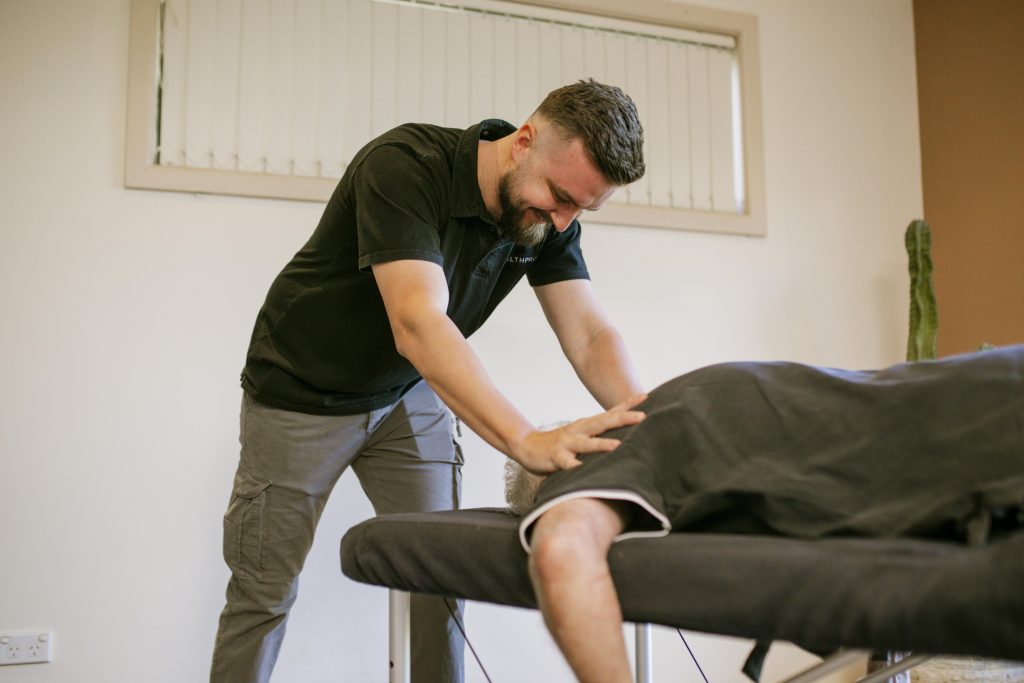
A Healthproof physiotherapy home visit

When falls prevention physiotherapy in Sydney may help

An assessment may be appropriate after a fall, repeated near falls or a noticeable change in walking confidence. It may also be useful when standing from a chair, turning or managing steps has become difficult. You do not need to wait for another fall to discuss a concern.

Falls risk assessment considers several contributing factors, especially when falls happen often. Strength, balance and walking are part of the picture, alongside health conditions, medicines, vision, footwear and the environment. Physiotherapy should sit within the broader care you need.

For older adults, a falls prevention program can combine assessed exercise with attention to these wider risks.

Looking at the situations that feel uncertain

The physiotherapist asks about falls and near falls, including where they happened and what you were doing. They ask about dizziness, fatigue, pain, medication changes and your usual walking aid. Tell them if you have started limiting activities because you feel unsafe.

Movement assessment may include standing from your chair, walking, turning and changing direction. Any balance testing should be selected and supervised for your safety. The clinician can observe routes you use at home and discuss steps or uneven surfaces outside.

A home visit helps connect assessment findings to practical tasks. A low sofa, narrow turn or rushed trip to the bathroom may deserve different attention.

What a falls and balance plan may include

A falls prevention plan may include balance training, strength exercises, walking practice, transfer strategies and review of mobility aid use. The physiotherapist should show you how to complete agreed activities and explain whether assistance is required. Exercises need to be appropriately challenging without asking you to take avoidable risks.

Options for the plan include referral for medical assessment, a medication review, vision care or podiatry. An occupational therapist can provide a more detailed assessment of daily tasks and environmental changes. The right combination depends on the findings.

Review can consider near falls, confidence, task performance and whether the plan fits your routine. No service can guarantee that you will not fall. If an activity feels unsafe, tell the clinician rather than attempting to push through it.

Choosing between physiotherapy, exercise physiology and OT

Physiotherapy assesses movement, walking, transfers and balance concerns, then develops relevant rehabilitation strategies. Exercise physiology for falls and balance may suit ongoing exercise and conditioning needs once suitability is established. Both professions may assess and train balance.

OT home safety assessment looks closely at daily activities, routines, equipment and the home environment. These services can work together without duplicating the same goals.

Why a home visit can be useful

A home visit lets the physiotherapist see the chair, turns and walking routes you use every day. You can point out the movement that feels unsteady instead of trying to describe it from memory.

A chosen relative or carer can hear the advice in context. The discussion can connect assessed balance needs with practical tasks, assistance and equipment already available.

Funding and referrals

Eligible older people can ask about approved allied health through Support at Home or CHSP. Permanent residential aged care has separate responsibilities, which need discussion with the facility.

For NDIS participants, therapy must address eligible disability related needs. Medicare, DVA, private health insurance and private payment are other pathways to discuss. Confirm the referral, service approval and any assessment, travel or report fees before booking.

You or your chosen referrer can use online referrals to share the care request and relevant information.

Getting ready for the appointment

Have your usual shoes and walking aid nearby. If possible, note when recent falls or near falls occurred and whether you felt dizzy or unwell. You do not need to recreate a fall or attempt a difficult movement beforehand.

Tell the team about entry steps and who usually assists you. A chosen family member or carer may join with your consent. Their observations can help explain what happens between appointments.

How Our Mobile Health Services Work

Seamless In-Home Care Tailored to Your Needs

01.
Schedule Your Initial Consultation

Contact us to arrange a session with our allied health professionals. We’ll discuss your health concerns, goals, and medical history.

02.
Develop a Personalised Care Plan

Based on your initial assessment, we designed a custom therapy plan to enhance mobility, independence, and recovery.

03.
Start Receiving Therapy at Home

Our health professionals visit your home to provide ongoing therapy and support, focusing on your unique care plan.

04.
Continuous Monitoring and Adjustments

We track your progress regularly, adjusting your therapy to ensure optimal results and continuous improvement.

Where appointments are available

This service is part of Healthproof’s mobile physiotherapy care.

Home and community appointments are available across Greater Sydney and Melbourne, with the setting and clinician confirmed for your needs.

Western Sydney, Sydney CBD, South West Sydney, North Sydney, Canterbury Bankstown, Northern Beaches, Sutherland Shire, Hornsby, Hills District, Campbelltown and Macarthur, Sydney Inner West, Wollondilly, Sydney Eastern Suburbs, and Melbourne.

NDIS Registered Provider

As a registered NDIS provider, Healthproof brings extensive experience

At Healthproof, we’re proud NDIS providers with lots of experience helping people with disabilities and complex needs. Our mission is to help improve the independence, mobility, well-being, quality of life and comfort of patients with disabilities by providing them access to quality healthcare services.

Your questions answered

Should I book after a fall even if I feel fine?

A fall may need medical assessment first, particularly after a head injury, significant pain, fainting or new symptoms. Once urgent concerns are addressed, physiotherapy may help assess movement and balance factors.

Will I have to exercise without support?

Your physiotherapist selects activities around your ability and safety, with the required support explained. Do not practise a challenging balance task alone unless it has been assessed as suitable.

Can the physiotherapist check my walking frame?

They may assess how the frame is used and whether it suits the movement task and available space. Equipment changes or more complex needs may require additional assessment or coordination with occupational therapy.

Is this only for older people?

No. Balance difficulties can occur at different ages. Describe your concern, medical history and goals when enquiring so Healthproof can determine whether this service and a home appointment are suitable.

The team behind your care

Meet some of the people who lead Healthproof's clinical services.

We work with

  • NDIS
  • Medicare
  • Department of Veterans' Affairs
  • icare NSW
  • HCF
  • Bupa
  • Karista

Talk with Healthproof

Tell Healthproof where you feel least steady and whether there has been a recent fall. The team can discuss the right assessment pathway for your situation.

Call (02) 9188 6442 or use Enquire Now or Make A Referral.