01How daily tasks and surroundings interact
The occupational therapist asks about difficult situations and may observe relevant activities with your consent. They consider lighting, surfaces, furniture, steps, bathroom access and the equipment you use. The way a task is organised can matter as much as the layout.
For example, the assessment may explore where items are stored, how you carry things or whether assistance is available at the right time. It should consider fatigue, attention and other factors relevant to your function.
The visit is not an inspection of housekeeping. You can discuss priorities, limits and changes you do not want. The clinician should explain the reasoning and options clearly.
02Practical recommendations
Options discussed can include changing a routine, repositioning an item, trying appropriate equipment or arranging further assessment. The OT should explain which concern each suggestion addresses. Small changes may be useful, but they still need to suit the person.
Some recommendations require a supplier, qualified installer or another clinician. A suggested rail, for example, needs assessment of position and fixing. Avoid treating general advice as instructions for a construction task.
Where others assist you, the plan may include discussion of how that support is organised. With consent, carers can help explain what happens between visits and what is realistic to maintain.
03When the concern goes beyond the home layout
Falls can also relate to movement, medical conditions, medicines, vision or footwear. The OT can recommend GP review or another service where those factors need attention. A home checklist cannot replace that broader assessment.
Falls and balance physiotherapy focuses on movement, gait and transfers. Exercise physiology may support ongoing strength and balance exercise when suitable. The services can complement one another.
04Occupational therapy falls prevention and home modifications
This assessment looks broadly at activities, habits, equipment and environmental risks. Home modification assessment focuses on proposed changes to the building itself. A safety assessment may identify that further modification work should be considered.
The two should not be treated as interchangeable reports. Ask what the appointment includes and whether recommendations will require additional assessment, drawings, quotations or permission from a property owner.
05Why a home visit can be useful
The useful detail is often in an ordinary routine: where you reach for clothes or how you move towards the bathroom at night. A home visit lets the OT assess these situations in context.
You can discuss what you want to keep doing and the help already available. Recommendations can then relate to your actual home, rather than a general checklist alone.
06Funding and referrals
For eligible older people, Support at Home and CHSP depend on assessed needs and approved services. Permanent residential aged care has different responsibilities, which should be discussed with the facility.
NDIS funding requires an eligible disability related purpose. Ask about Medicare, DVA, insurer arrangements or private payment where relevant. Confirm the referral, assessment scope, travel and reporting costs.
Recommendations do not automatically establish funding for equipment or construction. You or your chosen referrer can use online referrals to share the care request and relevant information.
07Preparing without changing everything first
Think about the situations that concern you most and any recent near falls. Keep your usual equipment available. Tell the team about stairs, access and the assistance needed to enter or move around the home.
There is no need to rearrange the entire house before the visit. Seeing the usual setup helps explain the difficulty. If there is an immediate hazard, take sensible precautions and discuss it rather than recreating an unsafe situation.
08Reviewing the changes
A recommendation needs to work in practice. Ask how to review it and who should be contacted if an item is uncomfortable or a strategy is difficult to maintain. Changes in health or support may require another assessment.
Your choices remain part of the discussion. The clinician should help you understand the options and their limits, rather than assume every suggested change will be adopted.


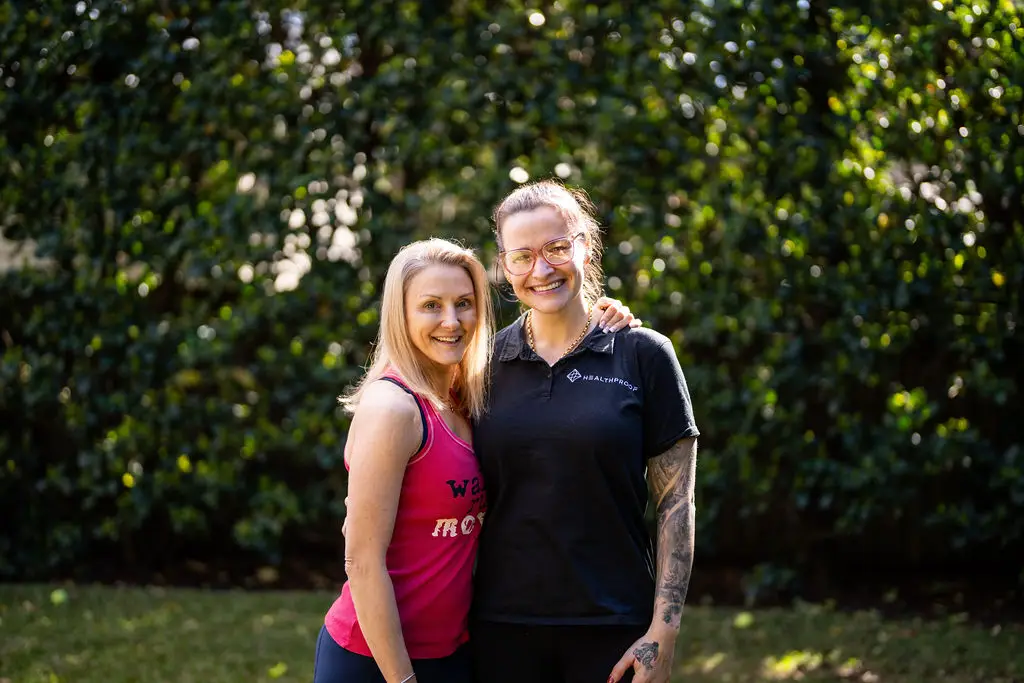

 Corey BiczoManaging Director and Co-FounderRead profile
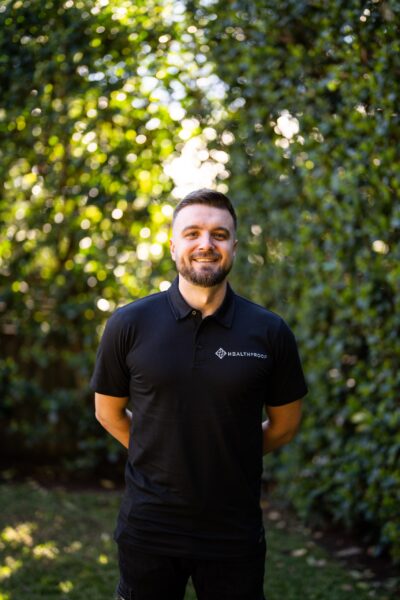 Stephen BrushDirector and FounderRead profile
 Amita ChandClinical and Risk ManagerRead profile
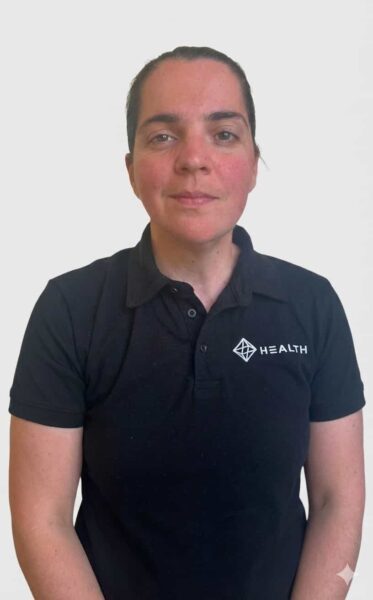 Alana Di MartinoPhysiotherapist with over 10 years' experienceRead profile