01Swallowing assessment at home
The speech pathologist asks about the symptoms, medical history, current food and fluids and any existing swallowing recommendations. They discuss recent chest infections, weight change, medicines and the assistance needed at meals. Existing hospital reports can be particularly useful.
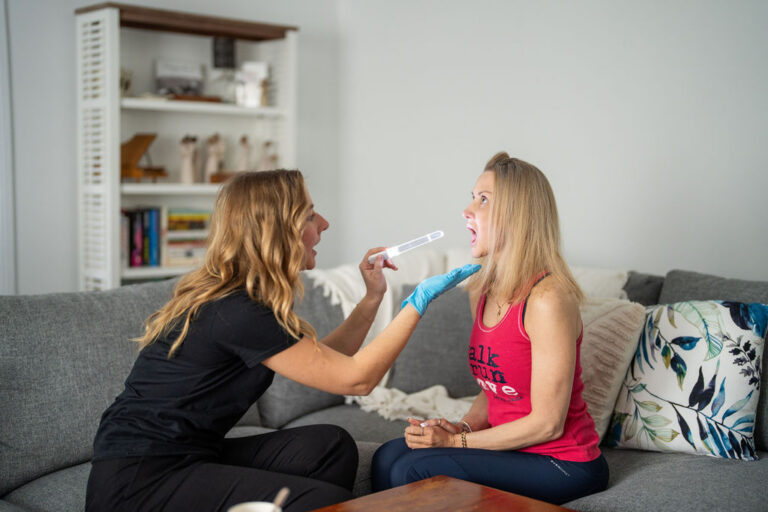
When needed, assessment may include observation of oral movement, communication, positioning and eating or drinking. The clinician decides which observations can be completed safely. You should not prepare a food challenge or test a difficult texture before the appointment.
Some questions need instrumental assessment, such as imaging or an endoscopic swallowing examination. These take place in an appropriate clinical setting. The speech pathologist should explain the limits of a bedside or home assessment.
02Dysphagia speech therapy and mealtime support
After assessment, dysphagia speech therapy may include individual swallowing strategies and training for the people who assist with meals. Food textures or drink thickness may be considered following individual assessment. They should not be changed simply because another person uses a particular diet.
A written plan can help the people preparing and assisting with meals understand the agreed approach. The clinician should clarify what to do if symptoms change and when review is needed. Consistency matters, especially when several carers are involved.
Your preferences and enjoyment of meals also belong in the discussion. The plan should explain options and relevant risks in a way you can understand, with support for decision making.
03Speech pathology and dietetics have different roles
Speech pathology assesses swallowing and related mealtime safety needs. Dietetics for texture modified diets considers whether food and fluid intake meets your nutrition needs within the prescribed requirements. A dietitian does not replace a swallowing assessment.
NDIS mealtime nutrition support may involve both professions. OT may contribute to seating or equipment. With consent, the clinicians should coordinate their recommendations rather than provide separate instructions that conflict.
04Why a home visit can be useful
A home appointment gives the speech pathologist context for your usual meal setting, positioning and assistance. You can show the current written plan and explain what happens during an ordinary meal.
A chosen carer can ask practical questions where advice will be used. Specialist swallowing investigations may still require another setting; the home visit helps clarify the appropriate assessment pathway.
05Funding and referral requirements
For NDIS supports, a mealtime management plan may be funded when it addresses eligible disability-related swallowing needs. Investigations and medical treatment can have different funding responsibilities. The proposed service should be checked against the applicable rules.
Eligible older people can discuss approved allied health through Support at Home or CHSP. Medicare, DVA or private health funding may apply, subject to eligibility and referral requirements; private payment is another option. Confirm referral requirements, clinician scope and costs for assessment, travel and written plans before booking.
You or your chosen referrer can use online referrals to share the care request and relevant information.
06Preparing information, not changing the diet
Have the current mealtime plan, relevant discharge information and a list of usual foods and drinks available. Explain who prepares meals and who provides assistance. Tell the team about communication needs and any significant recent changes.
Continue to follow your existing clinician’s instructions while seeking advice. Do not start thickening drinks, blend every meal or stop prescribed nutrition on the basis of this page. If current instructions seem unsafe or unclear, contact the treating team promptly.
07When to seek urgent help
Call 000 for choking with an inability to breathe, severe breathing difficulty or another immediate emergency. New swallowing difficulty, inability to swallow saliva or food stuck in the throat needs urgent medical advice.
Repeated coughing during meals, dehydration, unexplained weight loss or recurrent chest infections also need prompt clinical attention. A routine mobile appointment should not delay assessment of a worsening problem.




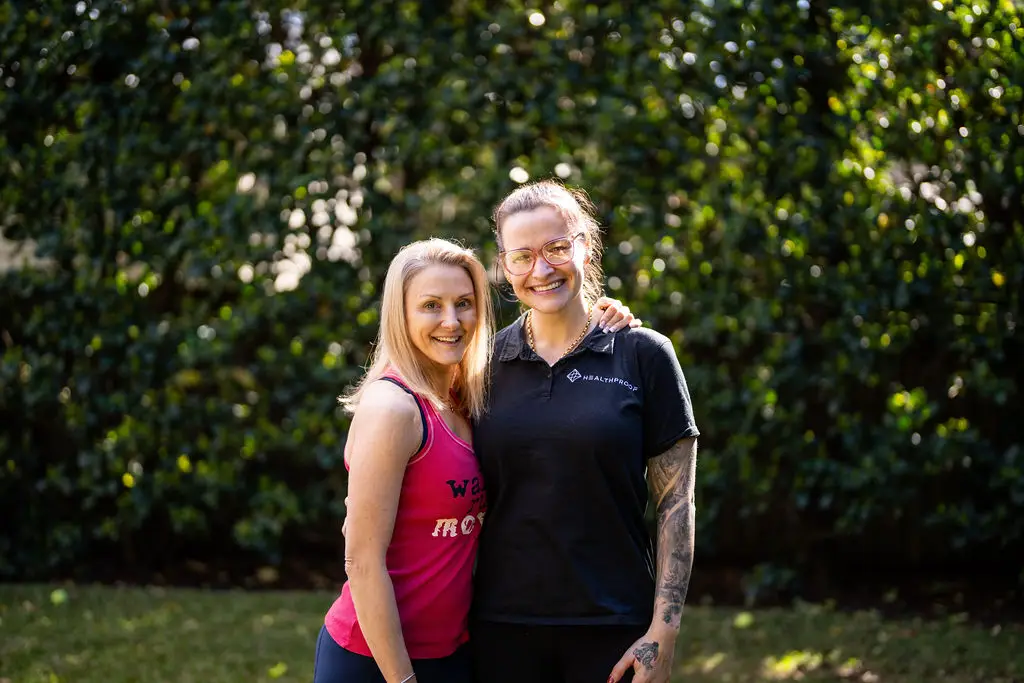

 Corey BiczoManaging Director and Co-FounderRead profile
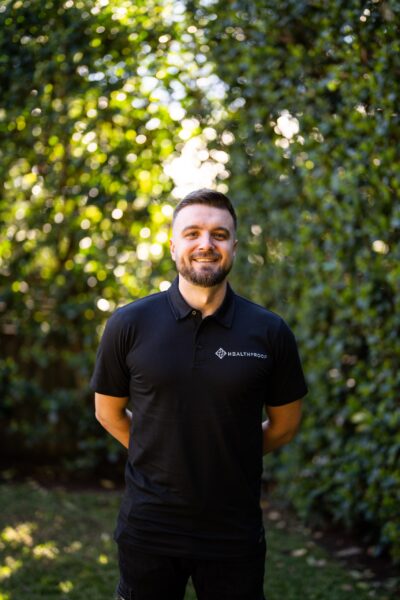 Stephen BrushDirector and FounderRead profile
 Amita ChandClinical and Risk ManagerRead profile
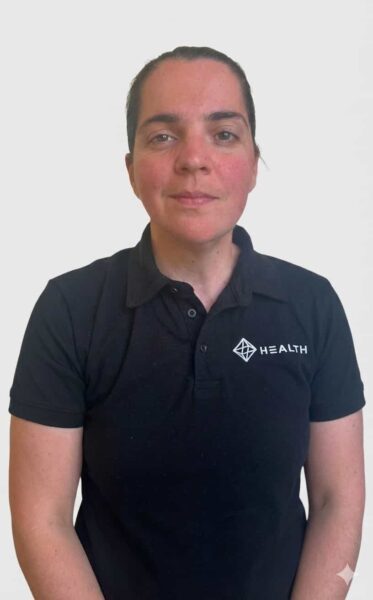 Alana Di MartinoPhysiotherapist with over 10 years' experienceRead profile